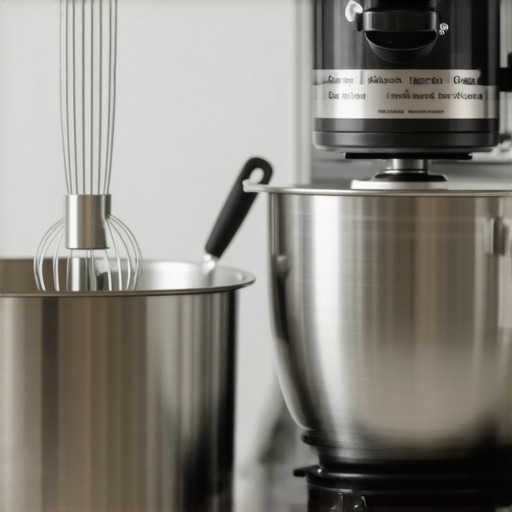
I remember the first time I tried to knead dough with my tiny hand mixer. It was like trying to run a marathon with a bicycle pump—frustrating, exhausting, and honestly, a little embarrassing. That lightbulb moment made me realize that not all mixers are created equal, especially when it comes to serious baking tasks. If you’ve ever wrestled with overworked arms or uneven batter, you’re not alone. Today, I want to share my journey from frustration to confidence, helping you decide whether a hand mixer or a stand mixer is truly the right tool for your baking adventures.
Why Your Choice of Mixer Matters More Than You Think
Baking is a beautiful mix of art and science. The right mixer can elevate your baking from good to spectacular. But choosing the wrong type can turn what should be a joy into a chore. Whether you’re whisking egg whites or kneading dough, the right equipment makes all the difference. I’ve tested both, and I can tell you — knowing which mixer suits your needs can save you time, energy, and a lot of kitchen mess. If you’re still stuck on which to pick, don’t worry. We’ll break down the essentials and help you make an informed decision that fits your baking style and lifestyle.
Is a fancy, expensive stand mixer really worth the hype?
Early on, I made a mistake that many beginners do — I thought I needed the biggest, most expensive model to bake like a pro. Turns out, that’s not always the case. In fact, I learned that for smaller batches or occasional baking, a good hand mixer could do the job just fine. But for larger projects, or if you’re serious about bread and heavy doughs, a stand mixer can be a game-changer. Want to see how I navigated this decision? Check out this detailed comparison that helped me understand the real differences.
So, whether you’re a casual baker or a baking enthusiast, understanding your needs is key to choosing the right tool. Ready to dive into the practical steps? Let’s get started on figuring out which mixer will make your baking easier, more fun, and ultimately, more delicious.
Choose the Correct Mixer for Your Recipes
Start by assessing your baking needs. For small batches and light tasks like whipping cream or whisking eggs, a hand mixer is quick and easy. For heavier doughs and larger quantities, a stand mixer provides power and stability. I once attempted to knead a big batch of bread dough with my hand mixer, which was a disaster—batter splattered everywhere and the motor struggled. That experience taught me that understanding your project scope is crucial. For detailed comparisons and to see which mixer suits your baking style, check this guide.
Set Up Your Mixer Properly
Before mixing, ensure attachments are correctly installed. For whisking, use the wire whip, and for kneading dough, attach the dough hook. Secure the bowl tightly and start at low speed to prevent splattering. I once added eggs to my mixer and cranked the speed, only to have the mixture fly out like a volcano eruption—lesson learned: always start slow. If your mixer has multiple speed settings, experiment to find the optimal one for each task. For more tips on attachment use, see this article.
Mix with Precision and Patience
Use the full range of speed options to achieve the right consistency. For egg whites, start at low and gradually increase; for bread dough, use a slower, steady pace. Remember, overmixing can ruin your batter—stop when ingredients are just combined. I once overmixed a batch of muffins, resulting in dense, tough crumbs. Watching the mixture and listening to the sound can help you recognize when to stop. If your recipes call for specific mixing techniques, such as folding or beating, adapt accordingly. For detailed techniques, refer to this comprehensive guide.
Use Attachments Effectively for Different Tasks
Whisk attachments are ideal for aerating batters and whipping cream. Dough hooks handle heavy bread or pizza dough. When using the dough hook, start at a low speed to develop gluten without tearing the dough, then increase speed as needed. I once skipped this step and ended up with a sticky mess that stuck to the bowl. Proper attachment use speeds up your process and improves results. For specific attachment recommendations, check this resource.
Cleaning and Maintenance
After baking, disassemble attachments and wash thoroughly. Wipe down the mixer body with a damp cloth. Regular maintenance ensures longevity. I once neglected this step, leading to buildup that affected performance. Keeping your equipment clean prevents contamination and ensures consistent results. For detailed cleaning tips, see this article.
Many baking enthusiasts believe that choosing between a stand mixer and a hand mixer is straightforward, but in reality, there are subtle pitfalls and misconceptions that can trip up even seasoned bakers. Let’s dig deeper into what most people get wrong and uncover some advanced nuances that can elevate your baking game.
Why Size Isn’t the Only Consideration in Mixer Power
A common myth is that bigger, more expensive stand mixers always deliver better results. While they do handle heavy-duty tasks effectively, many overlook the fact that a smaller model with a powerful motor can outperform a bulky, underpowered one. The key is understanding the motor wattage and torque. An underestimating novice might buy a large, expensive machine expecting it to be versatile, but it may lack the finesse needed for delicate whisking or small batches. Conversely, a compact, high-quality model can provide precise control for complex recipes.
Common Mistakes When Using Attachments
Many bakers assume that attachments are interchangeable without consequence. This is a dangerous misconception. For example, using a dough hook for whipped cream or a whisk for kneading can damage the attachment and ruin your results. Proper attachment selection and technique are crucial. For instance, using the right attachment at the correct speed ensures efficiency and preserves your equipment. Overlooking this can lead to uneven mixing, overworking ingredients, or damaging your devices, all of which hurt your final product and your wallet.
Advanced Tip: Avoid Overmixing by Listening to Your Mixer
One advanced mistake is relying solely on timing rather than sensory cues. Overmixing is a silent enemy—your batter may look combined but can turn dense or tough if overworked. An expert approach involves listening to the sound of your mixer and observing the texture. When the mixture reaches the desired consistency, it’s time to stop. This is especially critical when whipping egg whites or delicate batters. For detailed guidance, see this comprehensive guide.
Finally, don’t underestimate the importance of maintenance. Regularly cleaning attachments and checking the motor’s condition can prevent many issues. A neglected machine may seem to perform well initially but can fail unexpectedly, ruining your baking plans and costing more in repairs. Proper upkeep ensures your investment lasts and performs optimally.
Have you ever fallen into this trap? Let me know in the comments. Remember, understanding these hidden nuances can be the difference between a good bake and a perfect one!
Maintaining your stand or hand mixer is essential to ensure it continues to perform at its best, especially when tackling heavy doughs or delicate whisking tasks. Over years of baking, I’ve learned that consistent care not only prolongs the life of your equipment but also guarantees that each bake turns out perfectly. One of my favorite methods is regular inspection of attachments and motor components, which you can do every few months. For instance, check the wiring and motor brushes if accessible, and listen for any unusual noises during operation. Additionally, cleaning attachments after each use prevents buildup of flour, grease, or dough residue that can impair performance. I use a mixture of warm soapy water and a soft brush for thorough cleaning, avoiding harsh abrasives that might scratch the surfaces. For more detailed maintenance guides, you might find it helpful to review expert advice on this resource. A tip I’ve adopted recently is applying a light coating of machine oil or silicone spray on moving parts, which prevents rust and ensures smooth operation. Remember, always unplug your mixer before any maintenance to prevent accidents.
In the future, I predict smart kitchen technology will play a bigger role in maintenance, perhaps through built-in diagnostics that alert you when a part is wearing out. Until then, manual checks remain our best bet. To keep your mixer running smoothly, I highly recommend setting a regular maintenance schedule—perhaps every 3 to 6 months depending on usage. This proactive approach helps catch issues early, avoiding costly repairs or replacements. If you’re serious about baking consistently, investing in a quality maintenance kit tailored for your specific model can save you time and money in the long run. For example, I personally use a small toolkit with precision screwdrivers, brushes, and lubricants designed for small appliances. Want to make your mixer last longer? Try implementing my routine of monthly cleaning and biannual deep maintenance, and you’ll notice a significant difference in performance. Don’t forget, a well-maintained mixer is the backbone of perfect doughs and airy cakes alike. Give it a shot today, and enjoy baking with confidence!
The Hardest Lesson I Learned About stand mixer, hand mixer, baking mixer, whisk attachments, dough mixing
One of my biggest lightbulb moments was realizing that not every mixer can handle every task equally well. I once tried to knead a tough bread dough with a small hand mixer, only to find the motor struggling and the dough sticking everywhere. That taught me that understanding the power and attachments of your mixer is crucial for success in bread baking and delicate whisking alike. The lesson? Match your mixer’s strength to your specific recipes, and don’t assume that a more expensive or larger model always wins. Sometimes, a high-quality, compact model with the right attachments can outperform a bulky, underpowered one, especially for smaller batches or nuanced tasks. For expert guidance, check this detailed comparison that helped me understand what to look for.

Leave a Reply