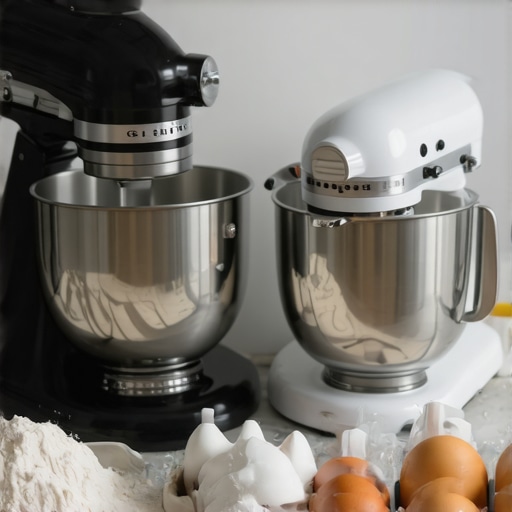
I remember the moment clearly. I was in my tiny kitchen, trying to whip up a batch of cookies, when my old hand mixer suddenly sputtered and died mid-stir. Frustration bubbled up—was I destined to hand-mix forever, or was it time to invest in a stand mixer I wasn’t sure I needed? That lightbulb moment led me down a rabbit hole of research, experience, and a few costly mistakes. And today, I want to share what I’ve learned so you won’t make the same errors.
Why Choosing the Right Mixer Matters More Than You Think
Trust me, your baking game hinges on the tools you choose. The right mixer can turn a laborious task into a breeze, giving you more time to enjoy the process—and the results. But with so many options out there, how do you pick what truly fits your needs? I’ve been there, and I’ve sifted through countless reviews, demos, and personal baking sessions to find the answer. Whether you’re a weekend baker or aspiring pastry chef, selecting between a hand or stand mixer is a decision that influences your entire baking experience.
Let’s be honest—most of us have faced that pivotal moment when we stand in front of the appliance aisle, overwhelmed by choices. Do I need the power and stability of a stand mixer, or will a trusty hand mixer do? That question stumped me early on, and I ended up wasting money on a bulky stand mixer I barely used. The mistake was assuming more power equals better results for all baking tasks. Turns out, that’s not always true. For example, if you mostly bake small batches or prefer quick, light mixing, a hand mixer might be your best friend. But if you frequently handle heavy doughs or large quantities, a stand mixer could save your strength—and your sanity.
Is All the Hype Around Stand Mixers Worth It?
Many of us get caught up in the excitement of owning the latest kitchen gadget, but before you jump in, consider your baking style. Do you really need a powerhouse, or will a compact, easy-to-store hand mixer suffice? I’ll walk you through the pros and cons of each, sharing insights that helped me make smarter choices. If you’re skeptical about whether a stand mixer is worth the investment, I get it. I was too, until I realized that the right tool is about *matching* your needs, not just following trends. For a detailed comparison, check out my guide on [best stand vs. hand mixers for baking dough](https://mixers.kitchentechhq.com/best-stand-vs-hand-mixers-for-baking-dough-which-one-fits-your-needs).
So, if you’ve ever stood in front of your kitchen cabinet, debating whether to buy that shiny new mixer or to stick with what you have, you’re not alone. I’ve been there, and I promise, with some clarity about your baking habits, you’ll find the perfect match. Ready to dive into the details that will help you choose your ideal baking partner? Let’s get started.
Define Your Baking Goals Clearly
Start by assessing what you bake most often. Do you prefer small batches of cookies or large loaves of bread? I once had a weekend where I only baked cupcakes, so I opted for a compact hand mixer. When I switched to making bread, I realized I needed a more powerful stand mixer. Clarifying your typical baking tasks guides you to the right decision, ensuring your investment matches your needs.
Evaluate Your Kitchen Space and Storage
Consider how much room you have. A bulky stand mixer can be a pain if your kitchen is tight, whereas a hand mixer is easily stored. I remember squeezing my stand mixer into a crowded cabinet, which made me think about whether I truly needed such a behemoth. For small kitchens, a hand mixer can be a game-changer, freeing up space and reducing clutter. Check out this guide to understand how size impacts your choice.
Test Power and Versatility
Power matters if you handle dense doughs or thick batters. I tested a hand mixer with a 200-watt motor against a stand mixer with 500 watts. The stand handled bread dough effortlessly, while the hand struggled. However, for light whipping or mixing eggs, the hand mixer was perfect. Think about the types of attachments you need; some mixer models offer versatile attachments for different tasks, which can influence your choice.
Assess Frequency and Duration of Use
If you bake daily or in large batches, a stand mixer will save your arm and time. I learned this during a holiday baking marathon—my stand mixer kept pace all day. For occasional baking, a hand mixer sufficed. Reflect on how often you’ll use your mixer; overestimating your needs can lead to unnecessary expenses. For comparison, see this detailed analysis.
Read User Reviews and Product Demos
Nothing beats real-world experiences. I watched demo videos and read reviews before buying my first stand mixer. One user pointed out that a certain model’s beaters were difficult to clean, which became a deal-breaker for me. Pay attention to ease of use, cleaning, and durability. Use reputable sources and real user feedback to inform your decision, which can be found in reviews linked throughout this resource hub.
Match Attachments to Your Needs
Attachments expand your mixer’s capabilities. For example, a whisk is great for meringues, while a dough hook is essential for bread. I once bought a stand mixer with a paddle attachment, but I missed a good whisk for whipping cream. Check compatibility and availability of attachments when choosing your model. Find out more about optimal attachments at this guide.
Many baking enthusiasts believe that more power and features automatically mean better results, but this is a misconception worth busting. In my experience, the real nuance lies in understanding your specific needs and avoiding common pitfalls that can lead to unnecessary expenses or subpar outcomes.
Why Bigger Isn’t Always Better for Mixers
It’s a common myth that a higher wattage or larger machine will always deliver superior performance. However, this isn’t universally true. For example, studies show that for light to medium tasks, such as whipping eggs or mixing cake batter, a mid-range hand mixer can be just as effective as a top-tier stand mixer. Over-investing in a powerful machine for tasks you rarely perform can be a costly mistake.
Furthermore, the size and weight of larger stand mixers can be a trap, especially in small kitchens. They often take up valuable space and are cumbersome to store, leading many to underuse them despite their impressive specs. Instead, focus on matching your actual baking frequency and the types of recipes you make most often.
Beware of Attachments and Versatility Overload
Another trap is assuming that more attachments mean better outcomes. While versatile attachments can expand your mixer’s capabilities, they can also lead to confusion and clutter. Not all attachments are necessary for every baker, and some models come with extras that are rarely used. To truly benefit, research which attachments align with your baking style and ensure they are compatible with your chosen model.
Advanced Question: How Do You Match Mixer Power to Your Baking Style?
For seasoned bakers, understanding the specific power and attachment requirements is crucial. For instance, kneading dense bread dough demands a powerful motor and sturdy dough hooks, often found in higher-end stand mixers. But if your baking mostly involves light tasks, a less powerful, more affordable hand mixer will suffice, saving you money and space.
Research from culinary experts indicates that a mismatch between your baking needs and your mixer’s capabilities can compromise results and cause unnecessary wear on the machine. So, avoid the trap of overestimating your needs—evaluate your typical recipes and choose accordingly. For a detailed comparison, see this thorough guide.
In summary, the secret to choosing the right mixer isn’t about chasing the latest features or the highest wattage but understanding your core baking habits and matching them with the right tools. Do you tend to bake large batches or just quick treats? Do you prefer easy storage or professional-grade power? Answering these questions can save you from costly mistakes and make your baking more enjoyable. Have you ever fallen into this trap? Let me know in the comments.
Once you’ve chosen the perfect mixer—be it a robust stand model or a nimble hand version—the next step is ensuring it keeps performing at its best over time. Proper maintenance not only extends the lifespan of your appliance but also guarantees consistent results every time you bake. Regular upkeep involves straightforward actions like cleaning, lubricating moving parts, and checking attachments, but being diligent about these habits can save you from costly repairs or replacements down the line.
How do I maintain my baking mixer over time?
Start by establishing a simple cleaning routine. After each use, detach all removable parts such as beaters or dough hooks and wash them with warm, soapy water. For the main body, a damp cloth is usually enough to wipe away flour dust and grease—just avoid getting water into the motor housing. For models with accessible gears or moving parts, consult the manufacturer’s manual for specific lubrication points. Typically, applying a small amount of food-grade lubricant to these areas every few months can prevent wear and reduce noise during operation.
In my experience, using a dedicated brush to clean out crevices and around the attachments prevents buildup that can impair performance. Additionally, inspecting the power cord and plug periodically ensures safety and prevents unexpected outages. If you notice any wobbling or unusual noises, it’s wise to consult a professional technician—many issues are fixable with minor repairs if caught early.
Considering the future, I predict that more smart features—like self-cleaning modes or diagnostic alerts—will become part of high-end mixers. As technology advances, maintaining these devices will involve software updates and perhaps even remote diagnostics, much like modern appliances in other domains. Staying informed about your model’s specific requirements will ensure your investment remains reliable for years to come.
Why investing in quality tools matters for longevity
Using reputable brands and high-quality attachments can make a significant difference in how well your mixer ages. Cheaper, generic parts often wear out quickly and may cause damage to the motor or internal gears. I always recommend sticking to original manufacturer accessories, which are designed to work seamlessly with your machine. For example, investing in a durable set of whisk attachments from this guide ensures you get maximum longevity and performance.
Remember, regular maintenance is a small effort that yields substantial rewards. Schedule a quick check-up every few months, and your mixer will thank you with years of reliable service. If you’re unsure about specific maintenance procedures, consult your user manual or trusted online resources—many manufacturers provide detailed tutorials and troubleshooting tips. This proactive approach not only preserves your equipment but also enhances your baking experience, giving you confidence and consistency in your culinary pursuits.
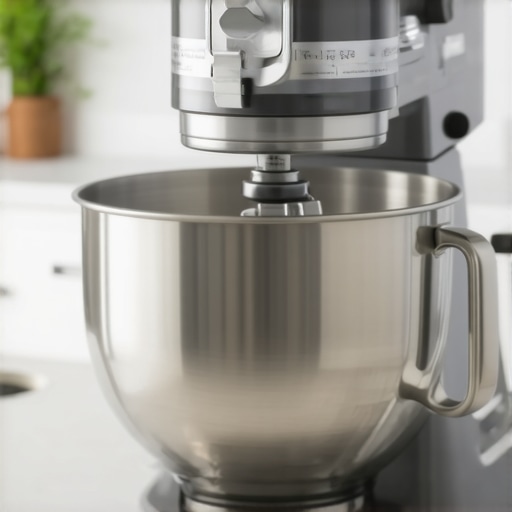
When I first started baking seriously, I believed that having the most powerful, feature-rich mixer would automatically elevate my results. But over time, I realized that the real key was understanding my specific baking habits and choosing tools that complement them—lessons I wish I had learned sooner. In this post, I’ll share some insider wisdom that can help you avoid common pitfalls and make smarter decisions about your kitchen equipment.
The Hardest Lesson I Learned About Mixers
Size isn’t everything. I once bought a large, high-wattage stand mixer thinking it would handle everything I threw at it, but it sat unused most of the time because my baking style didn’t require such power. I learned that a smaller, more manageable mixer suited my needs better and saved precious space in my tiny kitchen. This taught me to evaluate my actual baking volume before investing in bulky equipment.
Why More Attachments Can Be a Double-Edged Sword
I was tempted by a model that came with every attachment imaginable, thinking it would make me a versatile baker. But I found that many attachments remained unused, cluttering my counter and complicating cleaning. The lesson? Focus on the attachments that truly match your baking repertoire. For me, a sturdy whisk and a dough hook were enough, and I avoided unnecessary extras.
How I Discovered the Power of Proper Maintenance
After a few years, my mixer started making strange noises. Instead of replacing it immediately, I learned simple maintenance routines—cleaning, lubrication, and inspection—that extended its lifespan significantly. Regular upkeep is a small effort with huge rewards, keeping your investment running smoothly and consistently delivering great results.
Curated Tools That Changed My Baking Game
- Silicone Spatulas: Durable, heat-resistant, and essential for scraping bowls efficiently, ensuring no batter goes to waste.
- Quality Attachments: Investing in original manufacturer accessories, especially beaters and whisks, guarantees durability and optimal performance. Check out this guide for tips.
- Reliable Cleaning Tools: Small brushes and microfiber cloths make cleaning your mixer easier and extend its lifespan.
- Instruction Manuals and Tutorials: Staying informed through official resources helps troubleshoot issues early and maintains your equipment effectively.
Don’t Let Uncertainty Hold You Back from Baking Joy
Choosing the right mixer isn’t about chasing the latest trends; it’s about aligning your tools with your baking style and space. Whether you prefer quick, light mixing or handling heavy doughs regularly, the right equipment empowers you to enjoy baking and produce consistent, delicious results. Remember, the best tool is the one that works seamlessly for your needs, not the most expensive or feature-packed.
So, take a moment to reflect on your baking habits and space. With a clear understanding, you’ll make smarter choices that serve you well for years to come. Are you ready to pick your ideal mixer and elevate your baking journey?
Your Turn to Try
What’s the biggest mistake you’ve made when choosing a baking mixer, and what did it teach you? Share your story below—I’d love to hear how you’re learning and growing as a baker!

Reading this post really resonated with me, especially the part about evaluating your actual baking needs before jumping into a big purchase. I once got caught up in the hype of a high-powered stand mixer, assuming it would make all my baking easier. But in reality, I mostly bake small batches of cookies and light batters. That large, expensive machine just took up space and rarely got used. Learning to match equipment to your lifestyle is so important, and I think many home bakers overlook that. One thing I’ve found helpful is defining a list of most-used baking tasks and choosing tools that excel at those rather than opting for the most powerful or feature-rich options. It would be interesting to hear—how do others balance the desire for versatility with practicality when selecting kitchen gadgets? Are there any must-have attachments you swear by for your baking needs?