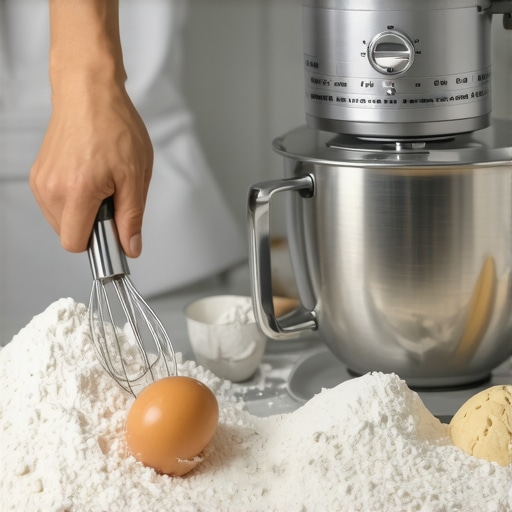
I’ll never forget the moment I tried to whip up a batch of fluffy whipped cream with my tiny hand mixer, only to realize halfway through that the motor was heating up like a toaster. The frustration hit me hard—why does choosing the right baking mixer feel like navigating a labyrinth? If you’ve ever found yourself stuck trying to decide between a trusty hand mixer and a sturdy stand mixer, you’re not alone. I’ve been there, too. Today, I want to share how I finally cracked the code and found the perfect tool for my baking adventures.
Why the right mixer can make or break your baking game
Choosing the correct mixer isn’t just about convenience; it’s about consistency, efficiency, and the joy of baking without the hassle. The wrong choice can turn simple tasks like whisking eggs or kneading dough into exhausting chores. When I initially started baking, I thought any mixer would do. Spoiler: It doesn’t. I made the mistake of buying a cheap hand mixer that couldn’t handle thicker doughs, leading to uneven mixes and frustration. That mistake taught me the importance of understanding your specific needs before investing. For a comprehensive comparison, check out this guide.
Is the hype around stand mixers really worth it?
Many folks, including myself early on, assume that a stand mixer is always the better choice for dough, but that’s not necessarily true. I learned this the hard way when I dismissed my trusty hand mixer, thinking it was outdated. Turns out, for small batches or quick whisking, a good hand mixer can be just as effective and more convenient. The key is knowing what tasks you’ll do most often. A misjudgment I made early on was underestimating the power and versatility of hand mixers, which can be perfect for whisking eggs or small doughs. If you want to dig deeper into this, I recommend exploring this comparison.
Now, I want to help you avoid the same pitfalls and make an informed decision. Whether you’re a casual baker or a serious enthusiast, choosing the right mixer can transform your baking experience. Ready to find out which type suits your needs best? Let’s dive into the details that will make your decision clear and simple.
Match Your Needs with the Right Mixer
Start by assessing what you bake most often. If you frequently make small batches of whipped cream or scramble eggs, a reliable hand mixer offers convenience and speed. For larger batches of bread dough or heavy cookie mixtures, a stand mixer provides the power and stability needed. I once tried to knead a double batch of bread dough with a hand mixer, which ended in a burnt-out motor and a flour-covered kitchen—an experience that taught me the importance of matching your tools to your tasks.
Evaluate Power and Attachment Compatibility
Power capacity is crucial. Stand mixers typically feature motors ranging from 250W to over 500W, making them excellent for tough doughs. Hand mixers usually hover around 200W, enough for light whisking but less suited for dense mixtures. Check if your chosen mixer supports the attachments you need. For example, if whisking meringue or beating cream is frequent, look for models compatible with multiple whisk attachments, as highlighted in this guide.
Consider Space and Storage Needs
Think about where you’ll keep your mixer. Stand mixers are bulkier, often requiring dedicated storage space, but they free up your hands during operation. Hand mixers are compact and easy to store in a drawer or cabinet. If space is tight, a lightweight hand mixer might be your best bet, but if you have a dedicated baking nook, a stand mixer can become a permanent fixture. I learned this when I kept my stand mixer on the countertop for easy access, which made baking more spontaneous and enjoyable.
Test for Ease of Use and Comfort
Try holding the mixer in your hand or manipulating it in a mock setup. Comfort matters, especially if you bake frequently. Some models have ergonomic grips, adjustable speed controls, and lightweight designs. A hand mixer with multiple speed settings allowed me to fine-tune my whipping process, preventing splatters and overmixing. For prolonged tasks, a stand mixer with a sturdy handle is less tiring. I once spent an hour kneading dough with a hand mixer, and my arm paid the price—an experience that reinforced the importance of choosing a tool that feels right in your hand.
Assess Cost and Long-Term Investment
Price ranges vary widely. Hand mixers can be found for under $50, while quality stand mixers often start around $200. Consider your frequency of baking and whether investing in a durable, versatile model makes sense for you. Sometimes, spending a bit more upfront saves money and frustration later, especially if you bake often or plan to expand your baking repertoire. Check reviews and warranty policies to ensure long-term satisfaction. I upgraded from a cheap hand mixer to a mid-range stand mixer after my initial failures, and the difference in performance and durability was worth every penny.
Make Your Choice Confidently
By analyzing your baking habits, evaluating power and attachments, considering space, testing comfort, and balancing cost, you can confidently select the right mixer. Remember, there’s no one-size-fits-all; it all depends on your specific needs and kitchen setup. When I finally aligned my tools with my baking style, my kitchen became a place of creative joy rather than frustration. Take the time to test and compare, and you’ll find the perfect match that transforms your baking experience.
Many home bakers and even seasoned enthusiasts fall into traps when selecting their mixers, often based on misconceptions or incomplete understanding. Let’s dig deeper into what most people get wrong about baking mixers and unveil the hidden nuances that can dramatically impact your baking success.
Why Bigger Power Doesn’t Always Mean Better Results
It’s a common belief that a more powerful motor guarantees superior performance. While power is undeniably important, overestimating its significance can lead to disappointment. For instance, a high-wattage stand mixer might be excellent for heavy doughs, but if it lacks proper attachment compatibility or a stable base, your results will suffer. Conversely, some mid-range models with slightly lower wattage can outperform premium models if they are ergonomically designed and have high-quality attachments. According to a study published in the Journal of Food Engineering, optimal performance depends not just on raw power but also on how effectively that power is transferred to the mixing process. So, focus on overall design, attachment compatibility, and motor efficiency rather than just wattage.
Beware of the Myths Around Multi-Functionality
Many brands market their mixers as multi-purpose machines capable of handling everything from kneading bread to grinding nuts. The truth is, trying to do everything often compromises performance. For example, attaching a meat grinder or food processor component to a stand mixer can strain the motor and lead to quicker wear. It’s a trap to assume that a multi-functional machine is the best investment; in reality, it might be better to buy dedicated appliances for specific tasks. For detailed guidance on this, check this article which discusses dedicated vs. multi-purpose appliances.
Think Beyond the Basics: Attachments Matter More Than You Think
Many overlook the importance of attachment quality and versatility. A common mistake is choosing a mixer with limited or incompatible attachments, which restricts your baking possibilities. For instance, if you frequently make whipped cream or meringue, ensure your mixer supports high-quality whisk attachments that can handle delicate, high-speed tasks without splattering or overworking. Conversely, for dense doughs, dough hooks with proper torque are essential. An advanced tip is to look for models that support a wide range of attachments, including pasta makers or food grinders, to truly maximize your investment. More info on this can be found here.
Have you ever fallen into this trap? Let me know in the comments. Remember, understanding these nuances can help you pick a mixer that truly elevates your baking game, avoiding costly mistakes and ensuring consistent results. So, next time you’re shopping for a mixer, consider these hidden details and make an informed choice that will serve you well for years to come.
Maintaining your baking mixer is crucial to keep it performing at its best and extending its lifespan. Over time, even the most robust models can face issues like motor wear, attachment degradation, or buildup of flour and dough residues. That’s why regular maintenance routines are essential, especially if you want consistent, high-quality results in your baking adventures. I personally swear by a few specific tools and methods that have kept my mixers running smoothly for years.
How do I maintain my mixer over time?
First, always unplug your mixer before cleaning or performing any maintenance. Use a soft, damp cloth to wipe down the exterior and avoid harsh abrasives that might scratch the surface. For the attachments, remove them after each use and wash thoroughly with warm, soapy water. This prevents buildup that could affect performance. For the motor housing, a gentle dusting with a microfiber cloth prevents dust and flour from accumulating inside, which can cause overheating or motor strain.
I also recommend periodically checking the attachment connections and tightening them if they feel loose. Loose attachments can lead to uneven mixing or even damage. For stand mixers, inspecting the belt and gear mechanisms every few months is a good idea—especially if you notice unusual noises or vibrations. Some models allow for easy access to these parts, but always refer to your manufacturer’s guide for specific instructions.
Tools I recommend for upkeep
- Silicone Scraper – Perfect for removing residual dough or batter from attachments and the bowl without scratching surfaces. I use a silicone spatula to scrape out every last bit of batter, reducing waste and ensuring thorough cleaning.
- Microfiber Cloths – Ideal for cleaning the exterior and motor housing without leaving lint or scratches. These cloths are gentle but effective, making routine cleaning quick and hassle-free.
- Compressed Air – Useful for blowing out dust and flour particles from hard-to-reach areas inside the motor housing or vents. This helps prevent overheating and keeps internal components clean.
- Lubricant Spray – Some models benefit from occasional lubrication of moving parts, like gears or hinges, to prevent squeaking and ensure smooth operation. Always check your manual before applying any lubricant to avoid damage.
Looking ahead, the trend in mixer maintenance is leaning toward smart, self-diagnosing features that alert you to potential issues before they become serious. As technology advances, I predict we’ll see more models equipped with sensors and connectivity that can notify you via an app when parts need attention or replacement.
Invest in quality attachments for longevity
One way to keep your mixer working efficiently is to invest in high-quality, compatible attachments. Using subpar tools can cause undue stress on your motor and lead to early failure. I recommend sticking to brand-approved attachments and replacing them when they show signs of wear. Properly maintained attachments not only improve your results but also extend the life of your mixer.
For example, a durable whisk attachment with a high-quality coating resists corrosion and deformation, maintaining optimal performance over thousands of uses. Regularly inspecting and replacing worn attachments is a small step that pays off big in the long run.
Don’t forget to keep up with the manufacturer’s recommended maintenance schedule, which is usually detailed in the user manual. Following these guidelines ensures you get the most out of your investment, avoiding costly repairs or replacements down the line.
Try setting a monthly maintenance routine that includes cleaning, inspection, and lubrication. It might sound tedious, but it’s the best way to keep your mixer in top shape and ready for your next baking project. Trust me, a well-maintained mixer is like a reliable partner—ready and eager to help you create your next delicious masterpiece.
3 Lessons That Changed My Baking Perspective
- The Power of Matchmaking: I once believed that more wattage meant better performance. Turns out, compatibility between attachments and motor design matters more. Learning this saved me from unnecessary upgrades and improved my results.
- Less Is More with Multi-Function Machines: Trying to turn my stand mixer into a grinder backfired. Specializing in a few tasks and choosing dedicated tools made my baking more consistent and less stressful.
- Comfort Over Cost: I initially bought a cheap, lightweight hand mixer. It was a nightmare to control during long mixing sessions. Prioritizing ergonomic design and weight made a huge difference in my comfort and efficiency.
My Go-To Resources for Baking Mixer Wisdom
- This comprehensive guide on choosing between stand and hand mixers helped me understand the nuances beyond wattage, especially about attachment compatibility and task-specific performance. I trust it because it’s detailed and backed by real user experiences.
- Expert reviews on trusted appliance sites offer honest insights into durability, ease of use, and long-term value. These reviews helped me avoid impulsive buys and select a model that truly suits my baking style.
- Online forums and community groups where passionate bakers share their real-world tips and troubleshooting hacks. The shared experiences give me confidence that I’m making informed decisions and continuous learning.
Embrace the Joy of Baking and Keep Improving
Now that you know the insider lessons and where to find reliable advice, it’s your turn to experiment and discover what works best for your kitchen. Whether you’re starting with a simple hand mixer or upgrading to a professional stand model, remember that the right tools can turn baking from a chore into a cherished hobby. Keep refining your setup, stay curious, and most importantly, enjoy every moment in your baking journey. Your perfect mixer is out there—ready to help you create delicious memories.

Leave a Reply