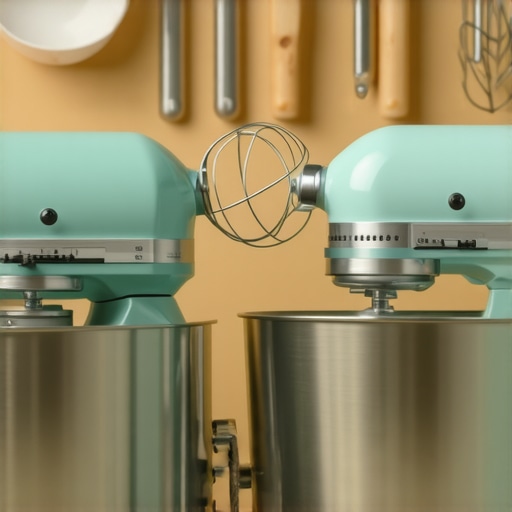
Ever had that frustrating baking moment where you realize your trusty hand mixer just isn’t cutting it, or your shiny new stand mixer feels like overkill for a simple whisk? I’ve been there. One time, I attempted to whip a delicate meringue with my stand mixer’s dough hook—big mistake. The result? Over-whipped, lumpy, and quite the mess. That lightbulb moment made me realize how crucial it is to pick the right type of mixer for each task. If you’ve ever wondered whether to reach for a hand mixer or invest in a stand mixer, you’re not alone. The choice can be confusing, especially with so many options and conflicting advice out there.
Why Getting This Right Can Save Your Baking Day
Choosing the correct mixer isn’t just about convenience; it directly impacts your baking success. Using the wrong tool can lead to poor results—think uneven batter, overmixed dough, or even burned-out motors. I learned this the hard way early on, when I tried to knead bread dough with my hand-held mixer, only to realize it was a disaster. Instead, I should have used a stand mixer designed for heavy-duty tasks. This mistake taught me the importance of understanding what each type of mixer excels at, which I want to share with you today. Whether you’re whipping cream, whisking eggs, or kneading dough, selecting the right equipment makes all the difference. For a detailed comparison, check out this guide on stand vs. hand mixers.
Is the Latest Gear Really Worth the Hype?
Many beginners fall into the trap of thinking that more expensive or feature-rich mixers automatically mean better results. I used to believe that too, but I discovered that understanding the specific tasks and capacities of each mixer type is more critical. For example, I once bought a high-end stand mixer with all the bells and whistles, only to find it too bulky for small batches. Conversely, my hand mixer struggled with stiff bread dough. A mistake I made early on was assuming a one-size-fits-all approach. Now, I make informed choices by considering my baking needs, which you can do by exploring this comprehensive guide on selecting the perfect mixer. This approach saves me time, frustration, and money.
In the following sections, I’ll walk you through how to evaluate your baking tasks and choose the right mixer for each. Ready to stop guessing and start baking with confidence? Let’s dive into the details.
Determine Your Baking Tasks
Start by listing what you bake most often. Do you make delicate meringues or knead dense bread dough? For light tasks like whipping cream or beating eggs, a hand mixer often suffices. For heavy-duty kneading or large batches, a stand mixer provides stability and power. I learned this firsthand when I tried to knead a whole loaf of bread dough with my hand mixer. It was a disaster—dough everywhere and the motor overheating. Knowing your typical baking helps you pick the right tool.
Match Tasks to Equipment Capabilities
Whisking and Light Mixing
For tasks like whisking eggs or light batters, a hand mixer is quick and easy. It’s lightweight, easy to clean, and takes up less storage space. But be cautious: if your recipe requires stiff peaks or volume, ensure your hand mixer has multiple speeds and a powerful motor. I once tried to whip cream with a low-end hand mixer, and it took forever—upgrading to a higher-powered model made all the difference. Check out this guide on choosing the right whisk attachments for various mixers to optimize performance.
Kneading and Heavy Doughs
For bread or pizza dough, a stand mixer with a dough hook is ideal. Its powerful motor and stable base allow you to knead for minutes without fatigue. I once attempted to knead a large batch of dough by hand, which took 15 minutes of hard work. Switching to my stand mixer cut that time in half and produced a better, more elastic dough. Look for models with planetary mixing action for thorough kneading. For detailed comparisons, see this article on stand vs. hand mixers for dough tasks.
Evaluate Power and Capacity
Power ratings matter—higher wattage generally means better performance for tough mixtures. But don’t assume more watts always equal better results; match wattage to your typical workload. For small batches, a lower-wattage hand mixer can do the job. For large, dense doughs, a stand mixer with at least 300 watts is recommended. Consider capacity as well: a standard bowl for a stand mixer should hold at least 4.5 quarts for most bread recipes. My friend bought a compact stand mixer with a 3-quart bowl, which was too small for her family’s bread baking needs. Always align your equipment specs with your baking volume.
Focus on Attachments and Features
Attachments expand the versatility of your mixer. Whisk attachments are perfect for airy batters, while dough hooks handle heavy kneading. Be sure your chosen mixer comes with or supports these accessories. For example, I invested in a stand mixer with a planetary action and multiple attachment options, which simplified my baking routine. Check out this comprehensive guide on selecting the best mixer with attachments to make an informed choice.
Test Before Buying
If possible, handle different models in-store or watch demonstration videos online. Pay attention to ergonomics, noise levels, and ease of cleaning. I once demoed a stand mixer in a store, and its heavy weight made it difficult to lift and pour batter. Choosing equipment that feels comfortable in your hand or under your counter saves frustration later. Remember, the right mixer enhances your baking experience and results.
Many home bakers fall into misconceptions about mixers, often leading to subpar results or unnecessary expenses. Let’s dig deeper into what most people get wrong and reveal some hidden nuances that can elevate your baking game.
Why Bigger Isn’t Always Better for Your Mixer
It’s a common belief that a more powerful, larger mixer will handle everything effortlessly. However, this isn’t necessarily true. Oversized, high-wattage models can be bulky, harder to store, and sometimes overkill for small batches. According to a study by professional bakers, choosing a mixer that matches your typical workload is more efficient and cost-effective. For instance, if you mostly bake small batches or quick mixes, a compact hand mixer with a good motor might serve you better than a bulky stand mixer. Exploring this detailed comparison can help you decide what size suits your needs best.
Myth: All Attachments Are Created Equal
Many assume that any whisk or dough hook will do the job. In reality, the quality and compatibility of attachments significantly impact performance. For example, planetary mixing action in stand mixers ensures thorough blending, but only if you have the right attachments designed for that model. Using incompatible or cheap attachments can lead to uneven mixing or damage to your equipment. For advanced bakers, investing in high-quality, compatible accessories can make a noticeable difference. Check out this guide on selecting the best attachments to optimize your mixer’s capabilities.
How to Avoid the Overmixing Trap
One of the most overlooked nuances is overmixing. Many bakers think longer mixing always improves the batter, but overdoing it can incorporate too much gluten, resulting in tough baked goods. Hand mixers, with their limited speed settings, can make it easier to control mixing time, but stand mixers require attention to speed and duration. A key tip is to stop mixing as soon as the ingredients are just combined or achieve the desired texture. This subtle skill separates amateur baking from professional results. For a deeper dive into this topic, see this comprehensive guide.
Have you ever fallen into this trap? Let me know in the comments. Understanding these hidden nuances can make your baking more consistent, enjoyable, and delicious.
Keeping your kitchen mixers in top shape is crucial for consistent baking results and extending the lifespan of your investment. Over time, even the best equipment requires regular maintenance, proper cleaning, and occasional upgrades to stay reliable. In this section, I’ll share the tools I recommend and my personal routines for ensuring my mixers keep working smoothly year after year.
Mastering Routine Cleaning for Peak Performance
My first tip is always to clean your mixer immediately after use. For stand mixers, I detach the bowls and attachments, then wash them with warm, soapy water. Wipe down the motor housing and exterior with a damp cloth—avoid abrasive cleaners that can damage the finish. Hand mixers are simpler; just remove the beaters or whisks, rinse thoroughly, and dry. Regular cleaning prevents buildup of flour, grease, or batter that can clog moving parts or cause corrosion. For detailed cleaning instructions tailored to your model, consult the manufacturer’s manual or this comprehensive guide.
Tools That Keep Your Mixer Running Smoothly
I rely on a few specific tools to maintain my mixers. First, a soft-bristled brush helps remove stubborn debris from attachments and motor vents—this prevents overheating and ensures efficient operation. Second, silicone lubricants, approved by manufacturers, are excellent for maintaining moving parts, especially if your mixer has any gears or joints. I apply a tiny amount periodically, following the manufacturer’s recommendations, to keep everything operating quietly and smoothly. Additionally, having the correct replacement parts, like a spare power cord or rubber feet, can save time if something wears out unexpectedly. Always buy genuine accessories from trusted sources to prevent compatibility issues.
How do I maintain my mixer over time?
To keep your mixer performing like new, I suggest establishing a regular inspection routine. Check the power cord and plug for signs of damage, and ensure attachments lock securely into place. Lubricate moving parts as recommended, typically every six months or after heavy use. If you notice unusual noises or vibrations, don’t ignore them—early troubleshooting can prevent costly repairs. For more advanced maintenance, some users find that replacing worn brushes or gears can extend the life of their stand mixers significantly. When in doubt, consult the manufacturer’s service guidelines or seek professional repair services. This proactive approach ensures that your mixer remains dependable, saving you money and frustration in the long run.
Looking ahead, I believe smart sensors and IoT integration will become more common in high-end kitchen appliances, enabling real-time diagnostics and maintenance alerts. For now, sticking to your regular cleaning and inspection routines is the best way to keep your mixer working flawlessly. I highly recommend trying the tip of applying a tiny amount of silicone lubricant to your mixer’s gears—this simple step can make a noticeable difference in noise reduction and longevity. Happy baking!
What Shortcuts Taught Me About Mixer Choices
One of the most valuable lessons I learned was to never underestimate the importance of matching the mixer to the task. I once thought that a powerful stand mixer could replace my trusty hand mixer for everything, but quickly discovered that bulky equipment isn’t ideal for small, quick jobs like whisking eggs. The lightbulb moment was realizing that each mixer has its own domain, and choosing the right one saves time and frustration. This insight transformed my baking routine and can do the same for you.
Tools That Changed How I Bake
Over the years, I’ve curated a handful of tools beyond just the mixers themselves. For example, investing in high-quality whisk attachments and planetary mixers with multiple speeds made my baking more precise. I trust this guide to help select accessories that truly make a difference. Also, a soft-bristled brush for cleaning attachments ensures my equipment stays in top shape, extending its lifespan and maintaining performance.
Ignite Your Baking Passion Today
Choosing the right mixer isn’t just a technical decision; it’s a way to unlock your full baking potential. Whether you’re whipping up light soufflés or kneading hearty bread, the right equipment empowers you to produce consistently stellar results. So go ahead—evaluate your needs, explore the options, and start baking with confidence. Your perfect mixer is waiting to transform your kitchen adventures.
Have you ever struggled with choosing the right mixer for a specific task? Share your experience below and let’s learn from each other!

I’ve definitely experienced the frustration of choosing the wrong mixer for a specific task. I remember trying to knead bread dough with my hand mixer once and ending up with a burnt-out motor and a mess on the counter! It taught me the importance of matching the tool to the task—heavy-duty dough requires a stand mixer with a sturdy dough hook. What’s interesting is that many beginner bakers underestimate the power and capacity needed for different recipes. For example, I found that my high-wattage stand mixer handles large batches effortlessly, but it’s too bulky for quick, delicate tasks like whipping egg whites. Do others struggle with storing bulky mixers, or have you found ways to optimize space? I think investing in good attachments also makes a huge difference, especially for versatility. I started with just the basic beaters, but upgrading to planetary attachments really elevated my baking results. What’s been your experience—have you found the perfect balance between power and size for your kitchen? I’d love to hear other tips or insights.
I completely relate to the dilemma of choosing the right mixer for specific tasks. A few years ago, I made the mistake of using my large stand mixer to try and whip small quantities of egg whites, which resulted in overmixing and a mess in my kitchen. Since then, I’ve learned the importance of matching the tool to the recipe. For delicate, small-scale whisking, a light, handheld mixer works perfectly and offers more control without the bulk. Similarly, I find that my mid-size stand mixer is ideal for kneading bread, as it provides the power needed without taking up too much space. Do you think that having multiple mixers in different sizes is practical, or do you prefer selecting one versatile machine to handle most jobs? I tend to keep a compact hand mixer for quick tasks and a larger stand mixer for doughs, which seems to balance convenience and functionality well.
I really appreciated how this post emphasizes matching your mixer to your specific baking needs. I used to think that having a high-wattage stand mixer was enough to cover all tasks, but I quickly realized it’s not always practical, especially when space and storage are concerns. I found that a smaller, more manageable hand mixer is perfect for quick, light tasks like beating eggs or whipping cream, which I do quite often. For heavy bread kneading, I now rely on my stand mixer with a sturdy dough hook, and it’s made a huge difference in both efficiency and results. One thing that’s helped me optimize my kitchen space is storing my bulky stand mixer in a closet when not in use—it saves counter space but still gives me access when needed. Do you think that the trend toward multi-attachment hand mixers is a good compromise, or do they still fall short compared to dedicated stand mixers? I’d love to hear what solutions other bakers have found for managing multiple tasks without clutter.