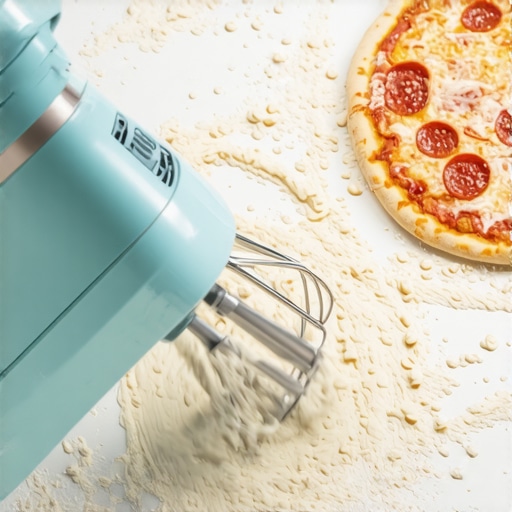
I remember the exact moment I realized my trusty hand mixer was no longer up to the task. I was kneading a batch of pizza dough, the kind that requires serious muscle, when suddenly, my mixer started to sputter, stall, and emit that telltale burning smell. It was like my beloved appliance had given up after years of faithful service. Frustration and a hint of panic set in—was it finally time for a new one? Or was there something I was missing?
Why Your Hand Mixer Might Be Failing at Dough Stress Tests
The truth is, many home bakers don’t realize how demanding pizza dough can be on their equipment. Thick, high-hydration doughs are incredibly tough on mixers, especially if you’re using models not designed for such feats. I made the mistake early on of assuming that a basic hand mixer could handle everything from whipped cream to dense bread doughs—big mistake. That oversight led me to learn the importance of choosing the right device for the toughest tasks and understanding how they handle stress.
Is The Hype About 2026 Hand Mixers Just Trash Talk?
If you’re skeptical about whether your current mixer can handle serious dough, you’re not alone. Many buyers think that a mid-range model will suffice, only to find out too late that it struggles during crucial moments. My own experience taught me to look beyond the hype and focus on specifications like motor torque and durability. Want to find out if your mixer can survive the pizza stress test? I’ll walk you through the key signs to watch for and how to make the right choice—without throwing money away on a model that can’t handle the heat. And if you’re unsure about what features really matter, check out this ultimate guide to choosing the right mixer.
Prepare Your Equipment for Heavy Doughs
Before tackling dense pizza dough, ensure your hand or stand mixer is up to the task. Check the motor specifications—look for models with high torque ratings, which are more capable of handling thick, high-hydration mixes. Verify that your whisk attachments are robust enough—silicon-coated or heavy-duty wire whisks often perform better under strain. For added stability and power, consider using a stand mixer, which tends to cope better with continuous heavy loads.
Use the Right Attachments for Efficiency
Switch out your standard beaters for dough hooks or sturdy whisks designed for thick mixtures. Dough hooks are specifically shaped to knead and develop gluten without overloading the motor. When selecting attachments, prioritize those with reinforced joints and heat-resistant materials. Experiment with silicon-edged whisks for batter and lighter foldings—these scrape the bowl efficiently, saving time and effort. For detailed info, see this guide on appropriate attachments.
Adopt Proper Mixing Techniques
Start slow to prevent sudden strain on your device, gradually increasing speed as the dough begins to develop. For thick dough, I recommend setting the mixer to a low-medium speed—this mimics manual kneading but with less effort. Use your free hand to steady the bowl if necessary, especially when mixing large quantities. If the mixture sticks or seems to resist, pause and scrape down the sides with a spatula—this helps distribute ingredients evenly and reduces strain. Remember, patience and incremental mixing are key to avoiding motor burnout and ensuring uniform dough.
Implement Stress-Reducing Measures
If you notice your mixer overheating or struggling, take short breaks to allow the motor to cool down—continuous operation even under heavy load can cause damage. Also, consider dividing large batches into smaller portions; this lessens load and minimizes the risk of stalling. Monitoring your appliance’s performance helps prevent common failures—like burning out motors or stripped gears. For more detailed tips, check out gear preservation advice here.
Choose Durable Tools for Long-Term Success
Invest in mixers and attachments designed for frequent heavy-duty use. Metal-whisk attachments, for example, tend to last longer when kneading dense doughs compared to plastic ones. Additionally, look for models with built-in overload protections—these prevent motor damage during intensive tasks. Upgrading your equipment makes a significant difference; see stand-mixer reviews for 2026’s toughest tests to ensure you’re selecting the best gear.
Test and Refine Your Technique Regularly
After initial trials, observe how your mixer handles the dough—listen for unusualsounds, check for overheating, or any wobbling action. Adjust your approach based on these cues—perhaps slowing down or reducing batch sizes. Recording these observations helps develop a customized method that minimizes wear and maximizes performance. Remember, mastering dough mixing is a balance of equipment choice, technique, and patience—each step advancing your baking skills.
Many home bakers fall prey to misconceptions that can hinder their results and even damage their equipment. One widespread myth is that the most powerful motor always equals the best performance, but in reality, torque consistency and thermal management are more important. An underpowered but well-designed motor can handle dense doughs effectively if paired with the right attachments and techniques. Relying solely on wattage can lead you to select a machine that overheats or stalls prematurely, nullifying its supposed power advantage. For advanced insights, see this comprehensive guide.
Another common mistake involves the use of unsuitable attachments. Many assume that standard beaters can handle heavy doughs, but they are primarily meant for lighter tasks. Dough hooks are specially engineered to knead and develop gluten networks efficiently, reducing stress on the motor. Using the wrong attachment not only affects your dough quality but also risks damaging your mixer. To choose the best attachments, check out our detailed selection advice.
Now, for a more advanced question—why do some high-end stand mixers struggle with high-hydration starters despite their robust appearance? This often comes down to design nuances like planetary gear efficiency and heat dissipation. Even premium models can falter if they’re not optimized for such tasks. An expert study highlights the importance of gear design in maintaining consistent torque and preventing overheating under prolonged stress, which is crucial when working with sticky or high-hydration doughs. Check this test result for detailed insights.
Moreover, many overlook the significance of proper technique. Overloading the mixer or starting at high speeds without pre-mixing can lead to issues like motor overheating, stripped gears, or bent attachments. Strategically dividing large batches, beginning with low speed, and gradually increasing can prolong device lifespan and improve dough quality. Remember, understanding mechanical nuances coupled with technique ensures optimal baking results.
Have you ever fallen into this trap? Let me know in the comments.
Maintaining your mixer and attachments is crucial for consistent performance and longevity. Regular cleaning after each use prevents residue buildup, which can cause mechanical issues or interfere with mixing. Use a damp cloth to wipe down the motor housing and detachable parts, taking care not to let moisture enter the motor vents. For stubborn dough residues, a soft brush can help dislodge stuck-on bits, especially around gears and attachments. Additionally, periodically inspecting your whisk and dough hooks for signs of wear or bending allows for timely replacements, ensuring your mixer operates smoothly. Investing in high-quality attachments, such as those highlighted in this guide on silicon whisk durability, can save you money and frustration over time.
Tools like stand mixers tend to handle heavy-duty tasks better, but they still require routine checks. Tighten loose screws, lubricate moving parts if recommended by the manufacturer, and ensure the power cord remains in good condition. Down the line, replacing worn-out attachments with reinforced, heat-resistant options ensures your equipment continues to handle dense doughs without strain. Moreover, keeping your gear in a clean, dry place prevents corrosion and prolongs its lifespan. Remember, proactive maintenance is the secret to durable performance and delicious results.
How do I maintain my mixer over time?
Looking ahead, the trend is moving toward smart cleaning and self-maintenance features in kitchen appliances. Future models might include sensors that warn you of mechanical issues before they cause breakdowns, or automated cleaning cycles for hygiene and maintenance. Until then, sticking to a routine of thorough cleaning, regular inspections, and timely replacements will keep your tools vibrant and reliable. For expert advice, check out this comprehensive maintenance guide. Try incorporating a scheduled maintenance routine into your baking practice—your equipment will thank you with long-lasting performance and perfect dough every time.
What I Wish I Knew Before Tossing My First Dough
One of the biggest revelations I had was realizing how crucial the right mixer and attachments are for handling heavy doughs. Investing in a robust stand mixer with the proper dough hook transformed my baking experience and saved me from countless frustrations. It taught me that not all tools are created equal, and selecting equipment tailored for heavy-duty tasks makes all the difference.
Why the Experts Are More Than Just Blowing Smoke About Durability
From professional bakeries to home kitchens, seasoned bakers emphasize quality gear that withstands rigorous use. I learned that trusting reputable brands and reading detailed reviews—like the insightful ultimate guide to choosing the right mixer—can save money and prevent equipment failures. It’s about understanding that durability and motor design trump just wattage when it comes to kneading dense doughs.
How Proper Attachments and Techniques Can Save Your Mixer and Your Bread
Using the appropriate attachments, such as reinforced dough hooks or silicon-edged whisks, can dramatically improve performance. I found that pre-mixing batches at lower speeds and gradually increasing the pace not only protects my equipment but also results in better-quality dough. Sometimes, a small adjustment in technique can mean the difference between success and a burnt-out motor.
Unlocking Long-Term Baking Success with Regular Care
Maintaining your mixer involves more than just occasional cleaning—it’s about developing a routine that ensures longevity. Wiping down attachments, inspecting for wear, and replacing parts proactively keeps my equipment running smoothly. I particularly appreciate tools like silicon-edged whisks that combine durability with efficiency, making my baking sessions less about fixing and more about creating.
Where to Invest Next in Your Flour-Filled Journey
After experiencing the difference a quality mixer makes, I recommend exploring trusted sources and advanced gear. The high-hydration dough tests of 2026 showcase top-performing models, guiding you toward choices that can handle even the stickiest recipes. Upgrading your tools wisely ensures that every pizza night results in bakery-quality crusts and a satisfying bake every time.
Embrace the Challenge: Your Dough Mastery Starts Today
There’s no better moment than now to refine your equipment and technique. The right hand mixer, stand mixer, and attachments empower you to achieve pizza dough perfection. Remember, each adjustment—big or small—brings you closer to baking confidence. So, what’s been your biggest obstacle in dough mixing? Share your experiences—I’d love to hear how you’re turning your kitchen into a dough-making sanctuary.

Leave a Reply