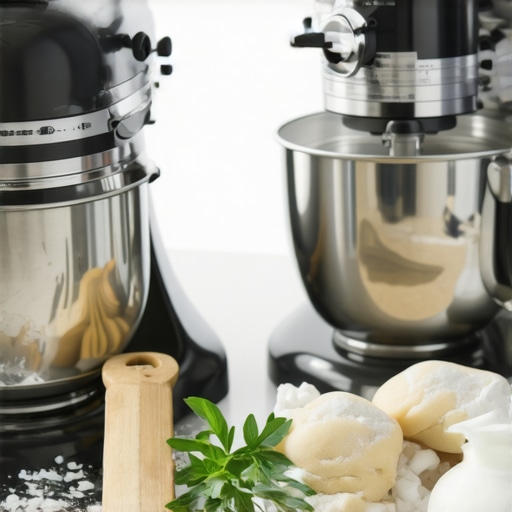
Ever struggled with a stubborn dough that won’t come together or a whisk attachment that just doesn’t seem to do the trick? I remember the lightbulb moment when I realized my old hand mixer couldn’t handle my bread dough without overheating, leaving me frustrated and questioning my choices. That moment made me dive deep into what truly makes a good baking mixer, and I want to share what I discovered. Choosing between a hand or stand mixer isn’t just about price or flashy features; it’s about finding the right tool for your baking style and needs. Today, I’ll help you navigate this decision, so you can avoid costly mistakes and make baking less of a chore and more of a joy.
Why Your Mixer Choice Can Make or Break Your Baking Experience
Think back to your last baking project. Did your mixer struggle with heavy dough? Did it whip cream evenly? These small frustrations can turn baking from a fun venture into a tedious task. The truth is, a well-chosen baking mixer saves you time, effort, and your sanity. It’s not just about making baking easier; it’s about achieving that perfect texture, consistency, and flavor that make your baked goods stand out.
According to a recent study, the right kitchen appliance can significantly impact the quality of home baking and even increase your motivation to bake regularly (Baking Business). But with so many options out there, how do you pick the one that fits you best? That’s what I struggled with initially, especially when I bought a stand mixer for my small apartment only to realize it was overkill for simple tasks, or worse, unmanageable for storage.
So, let’s get real. Do you ever feel overwhelmed by the sheer variety of mixers—feeling like every model promises more than it delivers? Or maybe you’re skeptical about the hype surrounding these appliances. Well, I’ve been there. Early in my baking journey, I made the mistake of thinking a powerful motor was all I needed, ignoring the convenience of size and attachment versatility. To help you avoid the same pitfalls, I’ll walk you through the differences, benefits, and considerations so you can choose wisely. Ready to find your perfect match? Let’s get started.
Is Bigger Always Better When It Comes to Mixers?
Many folks believe that a larger, more powerful stand mixer will automatically elevate their baking game. But in reality, it’s about finding a mixer that meets your specific needs—not just the biggest or most expensive. For instance, if you primarily whip up small batches or delicate batters, a sturdy hand mixer might be all you need. Curious whether a stand mixer truly makes baking easier? Check out this comparison for an in-depth look.
Have you ever purchased a high-end mixer only to find it collecting dust because it’s too bulky or complicated? That’s a common mistake I learned early on—more power isn’t always the answer. Instead, matching your baking style with the right type of mixer can save money and frustration in the long run. Let’s explore how to do just that.
Now that we understand why this choice matters, the next step is to identify exactly what features and functions are most important for your baking adventures. Ready for a practical guide to making that choice? Let’s dive in.
,
Match the Mixer to Your Baking Style
Begin by assessing the types of baked goods you make most often. Do you bake bread with heavy doughs or whip delicate whipped cream? For dense doughs, a stand mixer with a powerful motor can handle the load without overheating (see comparison here). For lighter tasks, a hand mixer might suffice and offer more flexibility.
Select the Right Attachments and Techniques
Focus on the features that align with your tasks. For kneading dough, a sturdy dough hook attached to a stand mixer is ideal; it mimics manual kneading but faster (learn more about attachment options). For whipping eggs or cream, beaters or whisks are essential. When I decided to make a batch of whipped cream, I used my stand mixer’s whisk attachment and found it whipped in half the time, with perfect volume and consistency. <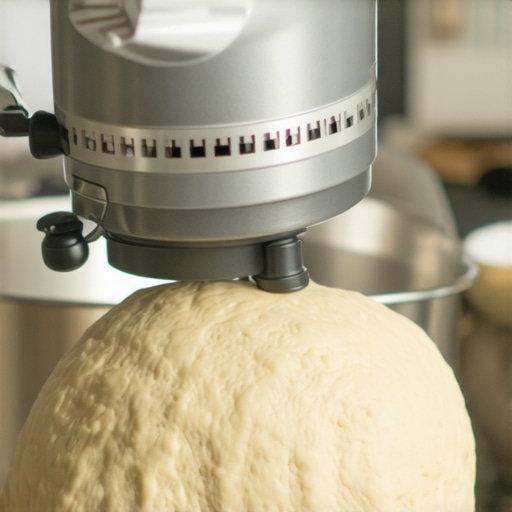 >
>
Learn Proper Mixing Techniques
Master the art of mixing to ensure even results. Start slow to prevent splatters, then gradually increase speed for aeration or kneading. For heavy dough, incorporate ingredients in stages—adding liquids last and mixing just enough to combine to avoid overworking the gluten. If you’re unsure whether to use a stand or hand mixer, consider the volume and complexity of your recipes; for instance, this detailed guide can help solidify your decision.
Adjust Speed and Power Settings
Use different speeds to tailor the mixing process. Low speed for combining ingredients gently, medium for whipping or beating, and high for aerating batter or whipping cream. I once overmixed a cake batter at high speed upon the advice of a friend, which caused it to become dense. Learning to dial back the speed improved the texture significantly. Remember, a more powerful mixer allows for higher speeds without strain, but always monitor for splattering or overmixing.
Maintain and Test Your Equipment
Regularly clean attachments and check for wear. Test your mixer with small batches before large projects to ensure it performs well. For example, I tested my new stand mixer with a simple cookie dough—if it handles this without strain, it will likely handle heavier mixtures confidently. When I replaced a worn-out beater, I noticed a marked improvement in mixing efficiency. Proper maintenance extends your equipment’s lifespan and guarantees consistent baking results.
Mastering these key steps ensures you get the most out of your baking mixer, whether it’s a sleek stand model or a portable hand device. Remember, choosing the right tool and technique makes all the difference in crafting professional-quality baked goods at home.
When it comes to baking appliances, many enthusiasts and even seasoned bakers fall prey to a few widespread myths that can hinder their results. One of the most pervasive misconceptions is the belief that a more powerful stand mixer automatically guarantees better dough development. While high wattage can handle dense doughs more comfortably, overestimating its importance can lead to neglecting attachment quality and mixing technique, which are equally critical. In fact, using a bulky, overpowered mixer on delicate batters can result in overmixing, leading to tougher textures and less tender baked goods. It’s essential to recognize that less powerful, well-designed mixers often do the job just as effectively if paired with proper technique, as highlighted in this detailed comparison.
Another common trap involves assuming that hand mixers are obsolete or only suitable for minor tasks. In reality, advances in ergonomics and attachment versatility have made high-quality hand mixers suitable for a range of baking needs, especially for small batches or when space is limited. They can effectively handle whipping, beating, and even kneading light doughs if used correctly. Relying solely on stand mixers for all tasks can be inefficient and unnecessary, as explained in this resource. Understanding the proper contexts for each device can save you time, money, and storage space.
A subtle nuance often overlooked is the importance of attachment quality and compatibility. Many overlook that not all whisk, paddle, or dough hook attachments are created equal, and using incompatible or cheap attachments can be a recipe for poor mixing performance or equipment damage. For instance, using low-quality dough hooks may cause uneven kneading or even strain your motor. Investing in high-grade, compatible attachments tailored for your specific model is a nuanced step that can dramatically improve results and extend your machine’s lifespan. For expert guidance, check out this guide.
Advanced bakers might ask, how critical is the mixing speed profile when working with delicate batters or doughs? The truth is, optimizing speed and mixing time based on your ingredients and recipe can significantly influence the final product. Overmixing at high speeds can incorporate excess air in the wrong context or develop gluten excessively, resulting in dense or tough textures. Conversely, inadequate mixing might leave ingredients unevenly combined. Recognizing these subtleties involves understanding the physics of mixing—something seasoned bakers invest time in mastering. A study by the Institute of Food Technologists emphasizes that precise control over mixing parameters is key to consistency and quality in baking (source).
So, have you ever fallen into this trap of thinking bigger, faster, or more expensive is always better? Let me know in the comments below. The devil truly is in the details, and understanding these nuances can elevate your baking from good to exceptional.
How do I maintain my stand or hand mixer over time?
Proper maintenance is crucial to keep your baking mixer performing at its best for years to come. I personally recommend regular cleaning after each use—disassemble the attachments like beaters, dough hooks, or whisks, and wash them with warm, soapy water. For the motor housing, a damp cloth suffices; avoid getting water into the electrical components. Additionally, periodically check the power cord for any signs of wear or damage, and replace it if necessary to prevent safety hazards.
Applying a small amount of food-grade lubricant to moving parts ensures smooth operation, especially for older models. For instance, I use silicone-based lubricants on the gear mechanisms of my stand mixer every six months, which significantly reduces noise and hesitation during mixing. Remember, consult your specific appliance’s user manual for manufacturer-recommended maintenance routines to avoid voiding warranties.
When it comes to long-term results, keeping your attachments and mixer clean prevents buildup of flour, dough, or grease, which can impair performance and lead to microbial growth. Using a soft brush to remove stubborn residue from tight crevices helps maintain hygiene and efficiency. Additionally, storing attachments properly—preferably in a dedicated box or on a hook—avoids misplacement and damage.
As the trend in baking technology advances, manufacturers are incorporating self-cleaning features or durable, easy-to-maintain materials. For example, some high-end mixers now include washable and antimicrobial-coated components, which make routine upkeep simpler and safer. Keeping your equipment well-maintained not only prolongs its lifespan but also ensures consistent, professional-quality results every time.
Investing in quality attachments and accessories also pays off in durability. I personally opt for stainless steel beaters and dough hooks, as they resist rust and are easier to disinfect. For best results, replace these parts if they become bent or excessively worn—using damaged parts can strain the motor and compromise your baking efforts. Remember, frequent maintenance and the right tools mean less downtime and more delicious creations.
Looking ahead, I predict that advancements in smart diagnostics and IoT-connected appliances will soon offer real-time maintenance alerts, helping bakers catch issues before they impact performance. An example can be seen in recent developments from Bosch and KitchenAid, which are integrating sensors to monitor motor health and attachment wear (source). To maximize your current gear, try implementing a routine lubrication schedule and thorough cleaning after every batch—it’s a simple step that yields huge benefits.
Start incorporating these maintenance tips today, and enjoy seamless baking experiences with equipment that works as hard as you do!
What I Wish I Had Known About Choosing the Perfect Mixer
- Never underestimate the power of attachment quality; a sturdy whisk or dough hook can turn a good mixer into a baking game-changer, saving me from frustration and uneven results.
- My biggest lightbulb moment was realizing that size and power aren’t everything—matching your baking style is key to making the most of your equipment.
- I’ve learned that mastering proper technique, like avoiding overmixing delicate batters, can make even a basic mixer produce professional-level baked goods.
Tools That Truly Elevated My Baking Skills
- “The Ultimate Guide to Choosing the Best Baking Mixer”—This comprehensive resource helped me understand the nuances between stand and hand mixers, ensuring I invested in tools that suit my needs.
- KitchenAid’s product line— Trusted for durability and versatility; their attachments transformed my basic mixer into an all-in-one baking station.
- Expert reviews—I rely on these to stay updated with the latest models and features tailored for home bakers.
Take Your Baking to the Next Level Starts Here
Now that you’re armed with deeper insights, it’s your turn to experiment smarter and choose tools that empower your baking creativity. Remember, the right mixer paired with technique can unleash flavors and textures you never thought possible. So, go ahead—embrace the process, learn from every whisk or knead, and create extraordinary baked goods that wow everyone, including yourself. What’s one baking technique you’re excited to improve using your current mixer? Drop your thoughts below, and let’s chat about taking your baking to new heights!

This guide really hits home for me, especially the emphasis on matching your mixer to your specific baking needs. I’ve learned the hard way that bigger isn’t always better—having a bulky stand mixer was overkill for my small batches of cookies and whipped cream. I recently switched to a compact, high-quality hand mixer and it’s made my baking experience much more enjoyable and space-efficient. The part about proper attachment quality resonated too; I once used a cheap whisk that bent during whipping, which slowed everything down and even caused some damage to my motor. Now I invest in durable, compatible attachments, and it truly makes a difference.
I’m curious—how do other bakers decide between these options when space and storage are limited? Do you have any tips for choosing a versatile mixer that can handle a variety of recipes without becoming an unwieldy piece of equipment? Would love to hear your experiences or recommendations!
This discussion really resonates with my experience, especially regarding the importance of finding a mixer that suits your specific baking style and space limitations. I used to store a large stand mixer in my small kitchen, only to find it rarely used because I mostly bake small batches or delicate recipes that don’t need that kind of power. Switching to a high-quality hand mixer with versatile attachments made a huge difference—not just in convenience but also in my overall baking enjoyment.
A tip I’d add is to look for compact models that come with a good range of attachments; it reduces the need for multiple gadgets taking up space. Also, investing in durable, dishwasher-safe accessories makes cleanup easier and less time-consuming, encouraging me to bake more often. For bakers with limited space, do you prioritize portability or versatility? I’d love to hear how others balance these aspects when choosing their essential baking tools.
This post really hits home for me, especially the part about choosing the right type of mixer based on your baking habits and space constraints. I used to think that investing in a powerful stand mixer was the way to go for everything, but I quickly learned that it was overkill for my small kitchen and simple recipes. Switching to a high-quality hand mixer with versatile attachments actually made my baking more enjoyable because it’s easier to store and more adaptable for different tasks.
What I’ve found works well is selecting a model that offers a good variety of attachments, so I don’t need multiple devices taking up space. Do others have tips on how to maximize space while still keeping a versatile set of tools? I’d love to hear how you balance choosing a model that’s compact but still capable of handling a broad range of baking needs. It’s all about finding that sweet spot between functionality and storage, especially for smaller kitchens.