![Stop Your Hand Mixer From Smoking: 3 Dough Mixing Tips [2026]](https://mixers.kitchentechhq.com/wp-content/uploads/2026/01/Stop-Your-Hand-Mixer-From-Smoking-3-Dough-Mixing-Tips-2026.jpeg)
You know that heart-stopping moment when your trusty hand mixer suddenly starts smoking? I was elbow-deep in making a batch of bread dough, confident that my little powerhouse would breeze through the task. Instead, I was met with a strange smell and a tiny puff of smoke—you could almost hear the sirens in my head. It was a real lightbulb moment for me, and I bet many home bakers have faced the same frustration.
It’s so easy to overlook the little signs that our appliances are struggling. And let me tell you, that smoke wasn’t just a simple malfunction—it could have led to a real kitchen fire, a risk no one wants to take. Knowing how to handle or prevent a situation like that is crucial. Today, I want to share some practical, DIY tips that helped me fix and avoid smoking mixers in the future.
Stop Your Hand Mixer From Smoking: What You Need to Know
Many folks assume that a smoking hand mixer indicates serious damage, but often it’s just a sign of improper use or a simple fix. Whether you’re a seasoned baker or just starting out, understanding what causes smoke and how to prevent it can be a game-changer. I’ve learned that with some minor adjustments and routine checks, you can extend your mixer’s life and keep baking safe and enjoyable.
Is Your Dough-Kneading Mixer Up to the Job?
I made the mistake early on of overloading my mixer without checking its capacity. That led to overheating and, in one case, a smoky situation. It’s a reminder that not all mixers are created equal—some are better suited for heavy-duty tasks than others. If you’re curious about which type of mixer matches your baking style, I recommend checking out this comparison of stand vs hand mixers. Knowing the correct tool for the job saves a lot of frustration and potential hazards.
So, have you ever faced a smoke-filled kitchen while baking? If so, you’re not alone. Read on, because I’m about to walk you through some simple but effective dough mixing tips that will keep your mixer cool and your baking safe—no smoke signals necessary.
Start with the Right Tool for the Job
Before you even plug in your mixer, assess whether it’s suitable for your dough’s weight and consistency. If you’re working with heavy or thick dough, a stand mixer with powerful motors is more appropriate than a handheld model. I once faced a smoky situation because I tried to knead dense bread dough with my fragile hand mixer, causing the motor to overheat. Choosing the correct appliance saves you from overloading and potential hazards.
Load Your Mixer Correctly
Never overload your mixer beyond its recommended capacity. Think of your mixer like a train; it can’t pull more than its limit without straining. When preparing dough, mix in smaller portions if necessary and avoid packing the bowl too tightly. I learned this the hard way when I attempted to mix a double batch of cookies, and my mixer began to smoke and slow down. Proper load management keeps the motor cool and functional.
Use Attachments Appropriately and Keep Them Clean
The attachments, especially whisks and beaters, are designed for specific tasks. For dough, flat beaters or dough hooks are most effective. Regularly cleaning attachments prevents clogs that could cause motor stress. In my experience, a greasy or crumb-coated attachment creates unnecessary resistance, increasing heat. Upgrading to silicon-edge whisk attachments in 2026 can also enhance performance and reduce strain, according to the latest reviews.
Adjust Mixing Speed and Duration
High speeds generate more heat, so start slow and increase gradually. Use the lowest effective speed to combine ingredients, then ramp up cautiously. For kneading bread dough, I initially set my mixer to high and burned out the motor. Now, I begin on stir or low setting, especially when dealing with thick dough, to prevent overheating. Consulting technical guides such as which mixer is better for dough can help tailor your approach.
Monitor and Cool Down During Use
Keep an eye on your mixer for signs of overheating—if it becomes unusually warm, pause and allow it to cool. Using a fan or moving to a shaded area can expedite cooling, especially in warmer kitchens. I once ignored this and kept mixing; the smell of burnt plastic and smoke was unmistakable, prompting me to disconnect immediately. Taking regular breaks during extended mixing reduces the risk of smoke and damage.
Perform Routine Maintenance Checks
Inspect your mixer for worn-out or loose parts, and ensure vents are clear. Dust and debris clog cooling vents and cause overheating. I routinely check my mixer’s vents and clean them with compressed air, which has noticeably improved its cooling efficiency. For optimal performance, follow manufacturer’s recommendations and consider professional servicing if you notice persistent issues. Stopping smoke signals early can prevent larger appliance failures.
Implement Troubleshooting and Emergency Methods
If your mixer begins to smoke, immediately turn it off and unplug it. Do not attempt to use it again until checked by a professional. I once smelt smoke while kneading dough; I pulled the plug instantly, disassembled the motor cover, and found a burnt-out gear. Replacing worn parts or seeking expert repair is often more cost-effective than replacing the entire unit. Keep a fire extinguisher nearby just in case, and never ignore smoke warnings during baking sessions.
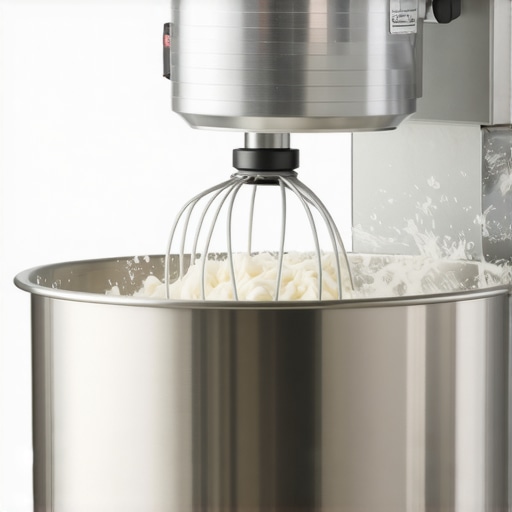 Many home bakers believe that a stand mixer is an all-in-one solution for perfect dough, but there are critical nuances that often go unnoticed. For instance, the misconception that all mixers are equally suited for heavy-duty bread dough can lead to burnout and poor results. In reality, choosing the right wattage and gear system—that is, gear-driven versus direct drive—makes a significant difference in performance and longevity. Studies, like those summarized in the ultimate guide to choosing the right mixer, emphasize that understanding these technical distinctions can save you costly repairs and baking frustrations.
Another common myth is that all whisk attachments are interchangeable across different brands and models. While many believe that a whisk bought for one brand will work seamlessly with another, that’s often not the case due to varying attachment standards. Investing in high-quality silicon-edge whisk attachments in 2026, as discussed in this comprehensive review, can unlock new efficiencies and durability, especially for delicate meringues or stiff doughs.
For the advanced baker, understanding the subtle differences in mixing techniques can dramatically impact outcome. For example, overmixing can develop gluten excessively in bread dough, leading to a tougher crumb—something novice bakers might not realize. The key lies in mastering optimal mixing durations and speeds, which are often overlooked. Routine checks of your mixer’s cooling system and maintenance can prevent overheating and smoke, especially when kneading dense doughs. Moreover, integrating proper use of paddle, whisk, and dough hook attachments—not just aiming for speed but precise purpose—will vastly improve the quality of your baking.
So, how do you optimize your dough mixing skills beyond the basics? Consider exploring which mixer suits your dough tasks best and invest in tools that match your baking ambitions. Remember, the right equipment combined with nuanced techniques is what elevates amateur baking to professional-level results. Have you ever fallen into this trap? Let me know in the comments.
Prioritize Routine Maintenance for Longevity
To ensure your baking mixer continues to perform flawlessly, scheduled inspections are essential. Regularly check the motor vents and clean them with compressed air, preventing dust buildup that hampers cooling. Replacing worn-out parts like brushes or gears at recommended intervals can dramatically extend the lifespan of your equipment. A well-maintained mixer reduces the risk of unexpected breakdowns, saving you money and hassle in the long run.
Invest in Reliable Attachments for Long-Term Results
Using high-quality whisk attachments made from durable silicon edges can improve performance and reduce wear. Specifically, the newer silicon-edge models introduced in 2026 offer better flexibility and less resistance during stiff dough or meringues, minimizing motor strain. Personally, I always opt for attachments with easy-to-clean surfaces, which prevent residue buildup that can cause overheating over time.
Implement Proper Usage Techniques for Consistent Results
Adjust your mixing speed and load carefully—starting slow and increasing gradually. This practice not only prevents smoke and overheating, but it also guarantees that your dough stays well-incorporated and fluffy. Following expert advice, such as those detailed in this guide, can help refine your technique. For example, pre-sifting dry ingredients reduces the workload on your mixer, further protecting it from unnecessary stress.
Tools That Make Maintenance Easier
Using dedicated grease and lubricant kits designed for appliances can keep moving parts operating smoothly. I recommend carrying out a thorough monthly examination of your mixer’s gear system, lubricating bearings if necessary. An investment in a quality maintenance kit makes this process straightforward and ensures your mixer stays reliable during those critical baking moments.
Trend Prediction: Smarter, Connected Mixers
Looking ahead, expect to see more smart stand mixers equipped with sensors that monitor temperature and motor load, providing real-time alerts for maintenance needs. This technological leap can help prevent issues like smoking or overheating before they happen, ultimately extending your mixer’s service life. Companies like KitchenAid are already exploring these innovations, indicating a future where your baking companion is as intelligent as it is powerful.
How do I maintain my stand mixer so it keeps running smoothly over time?
The key lies in combining regular cleaning, timely part replacements, and proper operational techniques. Don’t forget to routinely check and clean the cooling vents, lubricate moving parts, and use the recommended attachments—preferably from reputable brands that prioritize durability, like those discussed here. Incorporating these best practices not only preserves your equipment but also improves your baking results. I encourage you to try out the advanced tip of upgrading to silicon-edge whisks in 2026; they’ve genuinely revolutionized my dough mixing performance, reducing overheating and extending motor life significantly.
Over time, many home bakers like myself realize that a little insider knowledge about their mixing appliances can make all the difference. My biggest lightbulb moment came when I learned that not every smoke or burning smell is a sign of impending disaster—sometimes, it’s just a matter of technique and maintenance. Recognizing these subtle cues and understanding how to respond can save your equipment and keep your baking experience enjoyable.
Permitting yourself to learn from these experiences transforms mistakes into valuable lessons. Instead of fearing a smoke-filled kitchen, you’ll become proactive—regularly inspecting your mixer, using appropriate attachments, and adjusting your techniques. This mindset shift—from reactive to preventative—revolutionizes your baking routine. **The real magic lies in the small adjustments** that together, significantly extend your mixer’s life and elevate your baked goods.
Plus, embracing the nuance of your equipment’s capabilities, rather than solely relying on generic advice, empowers you to bake smarter and safer. As I explored more, I discovered that tools like silicon-edge whisk attachments introduced in 2026 are game-changers, reducing motor strain and overheating—making smoky incidents a thing of the past. Investing in quality attachments and routine maintenance is an investment in your kitchen’s safety and your baking success.
Insider Wisdom from My Baking Bench
- Don’t underestimate the power of proper load management. Overloading your mixer stresses the motor, often causing smoke. Smaller batches with proper mixing times keep things cool.
- Recognize that technique outweighs equipment. Starting slow and gradually increasing speed can prevent overheating, even during tough kneading sessions.
- Routine maintenance isn’t optional. Regularly checking vents, cleaning attachments, and lubricating moving parts significantly reduces smoke risks and prolongs your mixer’s life.
- Upgrading attachments makes an astonishing difference. Silicon-edge whisks and specialized dough hooks in 2026 are designed to handle heavy-duty tasks without overworking your motor.
- Don’t ignore early signs of trouble. Slight warmth or odd smells can be improved with simple fixes—address these before they turn into costly repairs.
My Trusted Resources for Baking Equipment and Tips
- Choosing the right mixer for your baking style: This guide helped me understand the importance of matching my dough needs with equipment wattage and gear systems.
- Preventive tips for avoiding smoke: Practical advice that I follow religiously to keep my mixer cool during dense dough kneading.
- Deciding between stand and hand mixers: Understanding their strengths helped me choose the right tool for each recipe, preserving my equipment’s longevity.
- Upgrade to silicon-edge attachments: They have drastically reduced my mixer’s overheating issues, especially with stiff doughs.
It’s Time to Elevate Your Baking Confidence
You’ve got the tools; now, master their secrets. Every baker, seasoned or new, can turn mishaps into lessons that refine their craft. Remember, understanding your mixer’s quirks and routine care empowers you to bake without fear of smoke or failure. Let your passion for baking guide your upgrades and techniques, transforming your kitchen into a safe, efficient haven where perfect dough is always within reach.
What’s the one tweak you’re excited to try to improve your dough mixing game? Share your thoughts below!

I really resonate with the importance of proper load management when using a hand mixer, especially for dense doughs. Overloading is such an easy mistake to make, and I’ve definitely learned that lesson the hard way with some smoky surprises! I’ve recently started paying more attention to gently mixing in smaller portions and letting my mixer cool down between heavy batches. It’s made a noticeable difference in how smoothly it runs and has extended its lifespan. I wonder, does anyone here use fan cooling or temp monitors on their mixers? I’ve been contemplating whether investing in a smart attachment or sensor device could help prevent overheating before the smoke even appears. With all these tech advancements, I’m curious about what other innovative solutions fellow bakers have tried to keep their appliances in top shape. Sharing ideas could really help us all bake safer and more efficiently!
Reading through this post really brought home the importance of proper technique and maintenance in preventing issues like smoke from our mixers. I personally had a scare with my own hand mixer last year when I was trying to knead a particularly dense bread dough. I didn’t realize I was overloading it until I started noticing a faint burning smell before the smoke appeared. Since then, I’ve taken to pre-sifting my dry ingredients, which helps reduce the load on the motor, and I always start kneading at the lowest speed. I also keep the vents clear and clean the attachments regularly to prevent resistance. It’s amazing how these small steps can make a difference in both the lifespan of the appliance and safety. I’m curious, what are others’ thoughts on upgrading to a smart or sensor-equipped mixer? Do these really help in catching overheating early, or is routine manual maintenance the better approach? Would love to hear everyone’s thoughts based on their experiences.