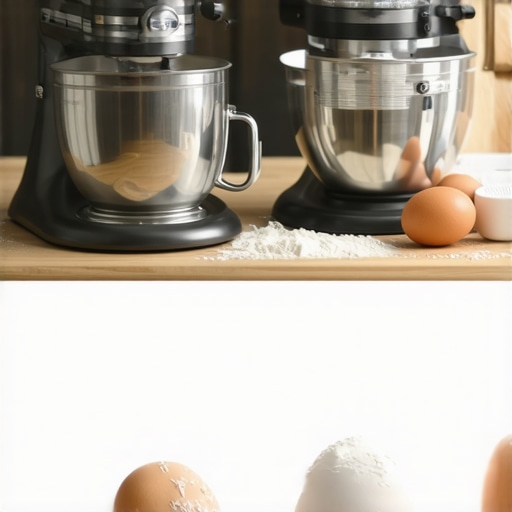
I remember the first time I tried making a batch of cookies from scratch. I was eager, confident, and ready to impress my family with my baking skills. But after spending ages trying to mix thick dough with a small handheld mixer, I realized I was fighting a losing battle. The mixer kept struggling, and I ended up with uneven, lumpy batter that just didn’t turn out right. That was my lightbulb moment—getting the right tool makes all the difference.
Why Your Mixer Choice Could Make or Break Your Baking Experience
For years, I thought any mixer would do. I didn’t want to invest in a heavy, bulky stand mixer, thinking it was overkill for my occasional baking. But I kept running into issues—struggling with thick dough, inconsistent mixing, and frustration. It wasn’t until I researched and tested both options that I understood the real benefits of each. Today, I want to help you avoid my early mistakes and find the perfect mixer for your baking adventures. Whether you bake once a week or plan to start a baking business, choosing between a stand mixer or a hand mixer can completely change your results and ease your workflow.
Is the hype around stand mixers really worth it?
I’ll be honest—I used to think stand mixers were just fancy gadgets for serious bakers. But I found out that they’re a real game-changer, especially when making dough or whipping large batches. Early on, I made the mistake of thinking I could save money by sticking with my cheap hand mixer, only to end up with unevenly mixed ingredients or sore arms. If you’ve ever faced similar frustrations, you’re not alone. I’ve been there, and I want to help you avoid these pitfalls. For a detailed breakdown of how each type stacks up, check out this guide.
Now, let’s dive into what makes each option unique and how to pick the right one for your baking needs. Ready? Let’s go!
Pick the Right Tool for Your Baking Needs
Start by assessing the types of baked goods you make most often. If you frequently knead dense doughs like bread or large batches of cookies, a stand mixer offers power and stability. For quick, light tasks such as whipping cream or mixing cake batter, a hand mixer might suffice. Consider your space and budget, too—stand mixers are bulkier but more versatile, whereas hand mixers are compact and budget-friendly.
Evaluate Power and Performance
Think of your mixer as a vehicle—power determines how smoothly it handles tough tasks. Stand mixers typically have higher wattage motors, enabling them to knead thick doughs without overheating or struggling. I once attempted to knead a heavy sourdough dough with my hand mixer, only to find it overheating after a few minutes. That experience convinced me to upgrade for better performance. For detailed comparisons, check this guide.
Master the Attachments and Features
Attachments expand your mixer’s capabilities. Stand mixers often come with various beaters, dough hooks, and whisks, making them ideal for multiple tasks. I recommend choosing a model that supports these accessories, especially if you want to make bread or whip egg whites. For specifics on attachments, visit this resource. On the other hand, hand mixers typically have limited attachments but are perfect for quick, small jobs.
Consider the Ease of Use and Ergonomics
Imagine trying to mix a large batch of cookie dough with a handheld device—your arms will tire quickly, and uneven mixing might result. A stand mixer allows you to set it and forget it, freeing you up to multitask or relax. When I first switched to a stand mixer, I noticed how much easier it became to achieve consistent results without fatigue. Think about your comfort and how often you plan to bake when choosing.
Assess Long-Term Durability and Investment
While a stand mixer might seem pricier initially, its durability and versatility often justify the expense. If you bake regularly, investing in a high-quality stand mixer saves you time and effort in the long run. Conversely, if your baking is occasional, a hand mixer can be a cost-effective choice. For a comprehensive comparison, visit this article.
Remember, the best choice depends on your specific needs, baking frequency, and budget. By understanding power, attachments, ease of use, and long-term value, you can make an informed decision that enhances your baking journey.
Many home bakers fall prey to misconceptions about choosing the right mixer, which can lead to subpar results and unnecessary expenses. In this article, I want to dispel some of the most persistent myths and shed light on the nuances that often go unnoticed. Let’s dig deeper into what most people get wrong about baking mixers and how avoiding these traps can elevate your baking game.
Why More Power Doesn’t Always Mean Better Performance
It’s a common belief that a higher wattage motor guarantees superior mixing capabilities. While power is important, it’s not the sole determinant of a mixer’s effectiveness. For instance, some budget stand mixers with high wattage may struggle with kneading dense doughs due to poor design or lack of torque. Conversely, well-engineered mid-power mixers often outperform their more powerful counterparts in real-world baking tasks. According to a study by the American Culinary Federation, torque and gear design are critical factors that influence a mixer’s performance more than wattage alone. So, don’t assume that more watts automatically translate to better results—focus on overall build quality and torque specifications instead.
Myth: Attachments Are Just Extras, Not Essential
Many beginners overlook the importance of versatile attachments, assuming they are merely optional accessories. However, using the right attachments can significantly expand your mixer’s capabilities and improve your baking precision. For example, a sturdy dough hook is vital for bread-making, and a balloon whisk can make the difference when whipping egg whites. Skipping these can lead to inconsistent textures or prolonged mixing times, which ultimately impacts your baked goods. If you want to maximize your investment, choose a model that supports a variety of attachments—this will save you money and enhance your baking versatility. For detailed info on attachments, check out this resource.
Advanced Reader Question: Should I Upgrade My Mixer for Better Results?
Many experienced bakers wonder whether they should upgrade their mixer to achieve better consistency or handle more challenging recipes. The answer depends on your specific needs and the types of baked goods you prioritize. If you frequently bake dense bread or large batches, investing in a high-quality stand mixer can be a game-changer, offering stability and power that hand mixers simply can’t match. However, for quick tasks like whipping cream or mixing cake batter, a good hand mixer might suffice. Remember, a well-chosen mixer tailored to your baking style can save you time and frustration, so don’t assume that a more expensive model is always the best choice. For in-depth guidance, explore this comprehensive guide.
Have you ever fallen into this trap? Let me know in the comments. Understanding these nuances can help you make smarter decisions and truly elevate your baking skills.
Keeping your baking tools in top shape is crucial for consistent results and extending the lifespan of your equipment. Over time, even the best mixers and accessories require proper maintenance to ensure they perform at their best. From cleaning routines to choosing the right lubricants, every step counts. In my experience, regularly inspecting your attachments and motor components prevents unexpected breakdowns and preserves their efficiency. For example, I make it a habit to wipe down my stand mixer after each use and check the beaters and dough hooks for any signs of wear. This simple routine has saved me from costly repairs and downtime.
How do I maintain my mixer over time?
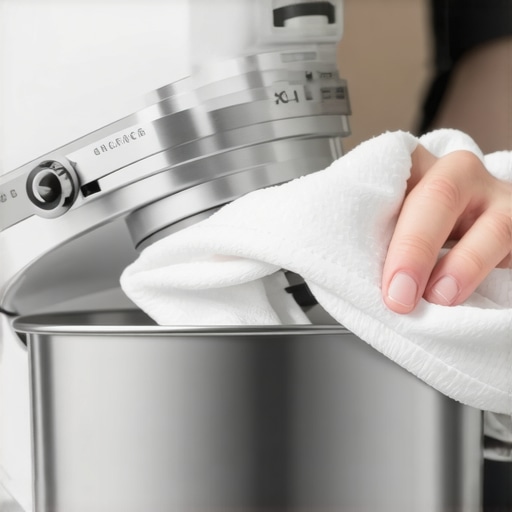
First, always refer to the manufacturer’s instructions for specific care guidelines. Most stand mixers and hand mixers benefit from periodic cleaning of the attachments and motor housing. I recommend using a soft cloth and mild soap to clean non-electrical parts, and avoiding abrasive cleaners that might damage surfaces. Additionally, lubricating moving parts, like the gear mechanisms in some models, can improve performance and reduce noise. For gear-based mixers, a few drops of food-grade lubricant on the gear shaft can make a noticeable difference. It’s also wise to keep your motor vents clear of dust and debris, which can cause overheating.
Another tip is to regularly check the power cord and plug for any signs of damage. A frayed cord can be dangerous and should be replaced immediately. Investing in a dedicated storage space for your equipment helps prevent accidental knocks or dust accumulation. When not in use, cover your mixer with a dust cover or cloth to keep it clean and ready for your next baking session.
For those who want to keep their tools in pristine condition, I recommend using a specialized cleaning brush for the attachments and a vacuum or compressed air for vents. Proper storage and routine checks are the best way to ensure your equipment remains reliable for years to come.
Tools I recommend for long-term maintenance
Personally, I rely on a few key tools to maintain my baking gear. A soft microfiber cloth is essential for wiping down surfaces without scratching. A small, fine-bristled brush helps clean tight crevices on attachments and motor vents. For lubricating gear mechanisms, I use a food-grade silicone spray, which I’ve found to be safe and effective. Additionally, a quality multi-meter can help you troubleshoot electrical issues if your mixer starts acting up unexpectedly.
Looking ahead, I predict that smart, connected kitchen appliances will soon incorporate self-maintenance alerts, notifying you when parts need cleaning or replacement. This trend will make maintaining your baking tools even easier and more efficient.
Don’t forget: regular maintenance isn’t just about keeping your mixer running smoothly—it’s about ensuring your baking results stay consistent and your investment lasts. Why not try applying a little lubricant to your mixer’s gear mechanism this week? It’s a simple step that can make a big difference in performance!
Lessons That Changed My Baking Perspective
- One of the toughest lessons I learned was that wattage isn’t everything. A high-powered motor can still struggle if the design doesn’t deliver torque efficiently. It taught me to prioritize build quality and torque specs when choosing a mixer, rather than just looking at wattage.
- Attachments are more than just accessories; they’re essential tools that unlock your mixer’s full potential. For example, a sturdy dough hook made all the difference in my bread baking, saving time and effort compared to improvised solutions.
- Consistency in results often depends on maintenance. Regularly cleaning and lubricating my mixer’s parts has kept it running smoothly for years, proving that proper upkeep is a secret weapon for any baker.
- My biggest lightbulb moment was realizing that ease of use impacts creativity. A mixer that handles tough tasks effortlessly allows me to focus on experimenting with recipes instead of battling equipment.
Tools That Elevated My Baking Journey
- KitchenAid Artisan Stand Mixer – I trust it for its durability, power, and versatility. The wide range of attachments makes it a go-to for everything from kneading to whipping.
- Oxo Good Grips Silicone Spatulas – These help me scrape every bit of batter from bowls, ensuring nothing goes to waste and mixing is thorough.
- Food-Grade Silicone Lubricant – A small bottle that keeps my mixer’s gear mechanisms quiet and efficient, extending its lifespan significantly.
- Microfiber Cleaning Cloths – Essential for maintaining a pristine appearance and preventing dust buildup that can affect performance.
Your Next Step in Baking Excellence
Embrace the journey of perfecting your baking tools and techniques. Every small upgrade, routine maintenance, and lesson learned adds up to baking success. Remember, the right mixer isn’t just about power; it’s about how well it fits your needs and how diligently you care for it. Keep experimenting, stay curious, and don’t shy away from upgrading when the time is right. Your baking will thank you for it!

Reading your post really resonated with me, especially the part about choosing the right mixer for different baking tasks. I used to underestimate how much a sturdy dough hook could improve bread-making, often improvising with manual efforts and ending up with tired arms and uneven loaves. After investing in a good stand mixer, my baking efficiency and results shot up significantly. I think many beginner bakers overlook the importance of attachments and ergonomics, focusing only on motor power or the brand name. In my experience, versatility is crucial—being able to switch attachments easily saves so much time and gives flexibility in trying new recipes. I’m curious, how do others decide on the best attachments support for their specific baking style? Do any of you prefer appliances with expandable options or stick to a basic setup? Any insights would help those of us looking to upgrade or get started with a more tailored approach.
Your post really hit home for me, especially the part about the importance of using the right tool for thick doughs. I’ve struggled with hand mixers in the past that just couldn’t handle heavy bread doughs or large batches of cookies, which was frustrating and sometimes even painful! Since upgrading to a good stand mixer, I’ve noticed a huge difference—not only in the quality of my baked goods but also in how much easier and less tiring the process is. I especially love that I can switch out attachments like dough hooks and whisks effortlessly, making my baking more versatile. It’s true that many beginners overlook the value of these features and focus solely on power or price. Personally, I think investing in a stand mixer with expandable attachments was a game-changer for my baking. How do you all decide on the best attachments? Do you prefer models that come with a variety of accessories or ones that support future upgrades? Would love to hear your thoughts on balancing initial investment with long-term flexibility.