![Stop Your Hand Mixer From Smoking During Dough Mixing [2026]](https://mixers.kitchentechhq.com/wp-content/uploads/2026/01/Stop-Your-Hand-Mixer-From-Smoking-During-Dough-Mixing-2026.jpeg)
I vividly remember the first time my hand mixer started smoking mid-whisk. I was in the middle of preparing a batch of bread dough, all set for a weekend baking marathon. Suddenly, a strange smell wafted through the kitchen, and I saw a thin wisp of smoke rise from the device. My heart skipped a beat—panic immediately set in. Had I burned out my favorite mixer? Was this just a sign that I needed a new one? That lightbulb moment made me realize just how important it is to understand why hand mixers smoke during dough mixing and how to prevent it.
Fixing the Smoke Problem: Protect Your Mixer and Your Baking
Is Your Mixer Actually Worth the Hype? Stepping Back for Clarity
Many home bakers think that any hand mixer will do when kneading dough, but the truth is, not all mixers are built for heavy-duty tasks. Early in my baking journey, I made the mistake of overloading a lightweight model with thick, sticky doughs. It was a costly lesson—my mixer smoked, slowed down, and eventually failed. Since then, I’ve learned the importance of choosing the right tool for the job. Curious if your mixer is up to the task? Check out this guide on how to select the perfect dough and baking mixer to ensure you’re not risking damage or smoke again.
**Have you faced this frustrating issue with your hand mixer?** If so, don’t worry—you’re not alone, and I’ll help you troubleshoot and fix it. Smoke during dough mixing is often a sign that your mixer is under strain or that it’s being used improperly. By understanding the common causes and how to avoid them, you’ll prolong your device’s lifespan and nail those baking projects with ease. Ready to dive into the solutions? Let’s look at what can cause your mixer to smoke and how to prevent it from happening again.
Choose the Right Mixer for Heavy Doughs
Start by selecting a mixer designed for dough tasks; a powerful baking mixer with sufficient wattage ensures it can handle thick, sticky doughs without overheating. I once attempted to knead dense bread dough with a lightweight model; it quickly smoked and shut down. Upgrading to a high-capacity mixer like a stand model saved my baking day.
Assess and Prepare Your Ingredients
Use ingredients at room temperature and measure precisely. Overly cold flour or excessive quantities can cause strain, making the motor work harder and generate heat. Pre-sifting your flour and gradually adding ingredients helps the motor operate smoothly, preventing overheating. After initial mixing, pause to assess if the dough appears overly stiff or warm, which could indicate overload risk.
Use Suitable Attachments and Settings
Employ the correct paddle or dough hook for heavy doughs, not auxiliary attachments incompatible with kneading. Set the mixer to an appropriate speed—usually low or medium-low—since high speeds generate excessive friction and heat. I once mistakenly whirred my mixer at maximum speed; it huffed and smoked before I turned it down.
Monitor and Limit Mixing Time
Don’t run the mixer endlessly. For dense doughs, limit continuous operation to about 5-7 minutes, then pause to let the device cool down. Use the timer or listen for increased motor noise or smell—these signals indicate it’s time to stop. During a recent bread batch, I paused midway, which prevented my mixer from overheating and kept it performing optimally.
Keep the Mixer Ventilated and Well-Maintained
Ensure the ventilation slots are free from dust and debris, which can trap heat. Regularly clean the motor vents with compressed air or a soft brush, especially after frequent use. Lubricate moving parts as recommended in your user manual to reduce friction. I learned that neglecting maintenance slowly leads to overheating, especially on humid days.
When in Doubt, Step Back and Troubleshoot
If your mixer starts to smoke, immediately turn it off and unplug it. Check for overloading, worn-out attachments, or dirt obstructing vents. Using a recommended mixer for dough and following best practices can prevent future issues. Remember, pushing a faulty or underpowered device can damage its motor permanently, so don’t ignore warning signs.
Many home bakers and even enthusiasts often believe that choosing a high wattage stand mixer guarantees flawless dough kneading, but in reality, the pattern is far more nuanced. Some assume that all mixers with a whisk attachment are equally capable for all tasks, which isn’t true; the efficiency depends heavily on design and accessories. Moreover, a prevalent myth is that hand mixers are always insufficient for dough, when in fact, the right hand mixer with proper attachments can handle dense bread dough effectively—if used correctly. Let’s unpack this further to avoid costly mistakes.
One critical trap many fall into is trusting wattage alone as an indicator of a mixer’s capability. While a higher wattage suggests more power, it doesn’t necessarily translate to better performance for dough. Design elements like gear ratios, attachment compatibility, and motor cooling systems play vital roles. For instance, some high-wattage models lack robust gear systems, leading to overheating or motor burnout during heavy kneading. To truly understand what makes a reliable baking mixer, it’s wise to consult detailed reviews and expert advice rather than relying solely on specifications.
Another common misconception is that using the wrong attachment or setting can damage your appliance or ruin your dough. For example, attempting to whip dense dough with a balloon whisk is inefficient and can strain the motor. Removing this myth involves understanding which attachments are optimized for specific tasks. Check out this guide on choosing the right attachments to ensure you’re leveraging your mixer’s full potential.
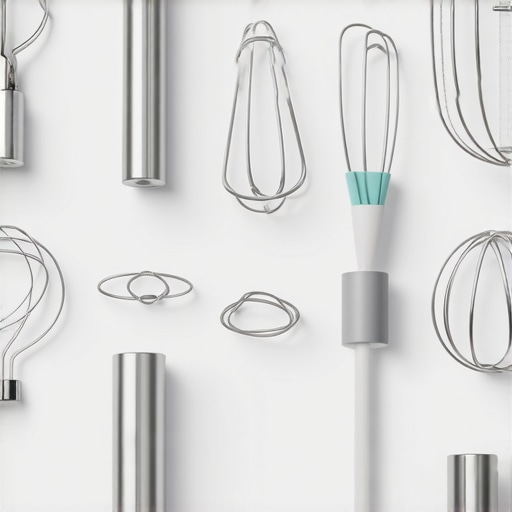
A subtle yet impactful mistake is overestimating the capacity of hand mixers for heavy dough. While lightweight, compact, and convenient, hand mixers can strain if used improperly or if the dough is too dense. The key is to consider the dough’s hydration level and mixing time. Kneading thick, sticky bread dough might overwhelm a handheld device, risking overheating or burning out the motor. So, how do you decide between a hand or stand mixer? This comprehensive guide can clarify which tool suits your baking needs.
Also worth noting is the importance of understanding your mixer’s limitations—ignoring venting and maintenance can lead to overheating issues, especially during intensive mixing sessions. Regularly cleaning vents and checking gear health prolongs its lifespan.
Finally, advanced bakers sometimes overlook the benefits of combining multiple attachments or adjusting speeds strategically. Using the dough hook at low speed ensures proper kneading without overheating. Knowing how to leverage your mixer’s full capacity and advanced features makes a considerable difference in baking success.
Have you ever fallen into this trap? Let me know in the comments, and share your experiences or questions about optimizing your baking setup.
Keeping It in Top Shape for Flour and Dough
Investing in quality equipment is just the start; routine maintenance extends your tools’ lifespan and ensures consistent results. I personally swear by regularly cleaning my stand mixer’s vent slots with compressed air—this simple step prevents heat buildup that can compromise the motor—making it a cornerstone practice. For whisk attachments, a quick scrub with warm soapy water after each use keeps residues at bay, maintaining optimal performance for delicate whipped creams or airy meringues. Using a dedicated silicone brush to remove flour dust from tough-to-reach spots on your mixer’s body also helps avoid buildup that can cause overheating over time.
Pro-Level Tools and Their Role
Having the right attachments elevates your baking game significantly. I rely heavily on high-quality dough hooks with a spiral design; these are designed to knead dense bread dough efficiently without overtaxing the motor or causing smoke, especially when used at low speeds. For precise control, I opt for mixers with variable speed settings, which allow me to adjust based on ingredients’ stiffness—ensuring thorough mixing without undue heat generation. Additionally, a digital kitchen scale is invaluable; by measuring ingredients accurately, I prevent overloading and reduce strain on your devices. When choosing equipment, look for models that feature reinforced gear systems and effective cooling vents, which are vital for long-term use, as highlighted in the comprehensive review on which type of mixer is right for your baking needs.
Future Trends in Baking Equipment
I predict that smart mixers with built-in sensors to monitor motor temperature and dough consistency will become standard soon, eliminating guesswork and preventing burnout. These innovations will likely integrate with smartphone apps, offering real-time feedback and maintenance alerts. As the trend evolves, selecting versatile tools that can adapt through firmware updates will be crucial—ensuring your investment remains relevant for years to come. To stay ahead, explore models that prioritize durability, easy maintenance, and compatibility with various attachments, such as those discussed in the ultimate guide on choosing the right baking mixer.
How do I maintain my baking tools over time?
Focus on regular cleaning—wiping down surfaces, cleaning vents to prevent overheating, and inspecting attachments for wear—and consult your manual for specific lubrication points or replacement parts. Using the correct attachments with compatible speeds and avoiding overloading during kneading also prolongs their life. Finally, store your tools properly to prevent dust accumulation and mechanical damage, ensuring your equipment continues to perform at peak levels for years to come. Implementing these practices will keep your baking arsenal reliable, saving you from unexpected breakdowns and costly repairs. Ready to up your maintenance game? Try cleaning your mixer’s vents with compressed air today and experience how much smoother your baking routine can become.
Lessons the Doughy Mistakes Taught Me
- Never underestimate the importance of matching your mixer to the task—using a lightweight model for dense bread dough is a sure way to invite smoke and burnout, as I painfully discovered. It forced me to invest in a more robust, stand mixer that handles heavy kneading with ease.
- Timing is everything. Pushing a mixer beyond the recommended operation time—even with high-capacity models—can cause overheating. I learned to listen for motor strain cues and to incorporate pauses, ensuring my appliance stays cool and reliable.
- Attachments matter more than wattage. A powerful motor can be hampered by incompatible or low-quality attachments. My breakthrough came when I upgraded to professional-grade dough hooks, which improved performance and reduced stress on the motor.
- Ventilation isn’t optional. Regularly cleaning dust and debris from vents keeps heat dissipation optimal. A simple maintenance habit I’ve adopted now prevents unexpected shutdowns and prolongs my mixer’s life.
- Don’t ignore warning smells or sounds. Early signs of trouble, like a burning odor or unusual humming, usually indicate overload or needing maintenance. Addressing these promptly has saved my costly repairs and downtime.
Tools That Transformed My Baking Experience
- KitchenAid Artisan Stand Mixer: Its powerful motor and variety of attachments make it my go-to for all heavy-duty kneading tasks, helping me avoid smoke episodes.
- Oxo Good Grips Silicone Scraper: Perfect for cleaning tough spots and vents, ensuring my equipment operates smoothly without overheating.
- Wilton Dough Hook Set: Durable and well-designed, these hooks make heavy bread dough kneading effortless and safe.
- Digital Kitchen Scale: Precise ingredient measurements prevent overloading and help me maintain optimal mixing conditions.
Time to Roll Up Your Sleeves and Elevate Your Baking Game
“Your Dream of Flawless Dough Starts with the Right Tools and Knowledge”. With a deeper understanding of your mixer’s capabilities, proper maintenance habits, and the right attachments, you can conquer even the densest bread recipes without fear of smoke or damage. The journey towards better baking begins today—empower yourself with these insights and create culinary masterpieces with confidence. Have you ever struggled with mixer overheating or smoke? Share your stories below and let’s troubleshoot together.

This article hits home for me—I’ve had my fair share of shaky moments with smoke coming from my hand mixer, especially when I pushed it to knead heavy doughs. What struck me most was the emphasis on choosing the right tool for the job; I once tried using a lightweight mixer for a dense bread batch, and sure enough, it overheated and smoked. The tips on using appropriate attachments and monitoring the motor during extended mixing are so practical. I also found that allowing the mixer to cool between heavy kneads really helps extend its life. Has anyone else found that intermittent pauses prevent overheating, or is continuous operation the better approach? Would be interested to hear how others manage long mixing sessions without risking damage.