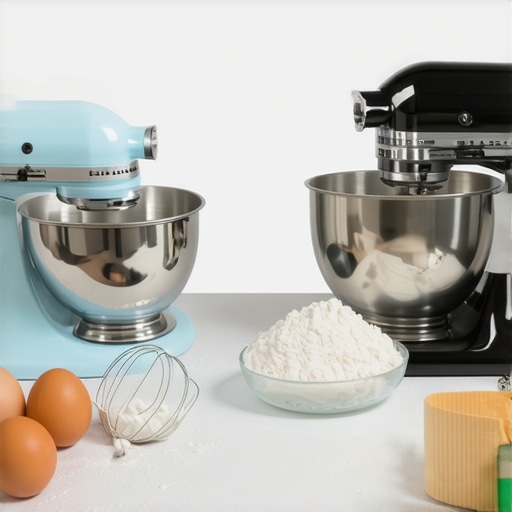
I’ll admit it—early in my baking journey, I faced a frustrating moment when my mixture suddenly flew out of the bowl because I wasn’t using the right tool. That lightbulb moment made me realize that choosing the correct mixer isn’t just about convenience—it’s about the quality of your baked goods. If you’ve ever struggled with uneven mixing or felt overwhelmed by the options, you’re not alone. Today, I promise we’ll clarify which mixer suits your needs best—whether you’re a casual baker or a serious enthusiast—and help you make an informed decision that elevates your baking game.
Why Your Choice of Mixer Can Make or Break Your Baking Experience
When it comes to baking and dough preparation, the right mixer can save you time, effort, and frustration. A stand mixer offers power and stability, making it ideal for kneading dough or whipping large batches. On the other hand, a hand mixer is portable, affordable, and perfect for quick tasks or small quantities. The challenge is that many bakers, especially beginners, get overwhelmed by the options and end up investing in a device that doesn’t fit their baking style. I remember making the mistake of buying a high-end stand mixer without considering my small baking needs—trust me, it sat under my counter for months. That’s why understanding the differences is key to avoiding costly mistakes and achieving baking success.
Is It Really Worth the Hype About Stand Mixers?
Early on, I believed that a stand mixer was the only way to go. However, I quickly learned that not everyone needs a heavy-duty machine, especially if your baking is occasional. The truth is, both types of mixers have their merits, and your choice depends on your specific needs. For instance, if you’re someone who bakes bread weekly or makes large batches of cookie dough, a stand mixer can be a lifesaver. Conversely, if you bake sporadically or prefer quick fixes, a hand mixer might be all you need. To get a clearer picture, I recommend checking out detailed comparisons like this comparison that breaks down the pros and cons.
Now, I want to hear from you—have you ever bought a mixer only to realize it wasn’t quite right? Or maybe you’re still debating which type to choose. Don’t worry, we’ll explore practical tips and insights that will help you make the perfect choice for your baking adventures. Ready to dive in?
Pick the Right Tool for Your Baking Goals
Start by assessing what you bake most often. If you regularly knead bread or make large cookie batches, a stand mixer with powerful motor and sturdy attachments will save you time and effort. For quick tasks like whipping cream or mixing small batches, a hand mixer is more practical and easy to store. I remember choosing a heavy-duty stand mixer early on, only to find it cumbersome for my small, weekly baking sessions. To avoid this mistake, compare different models and consider your typical recipes, consulting resources like this detailed comparison.
Understand the Power and Capacity
Look for mixers with sufficient wattage and bowl capacity matching your baking volume. Stand mixers with 300-500 watts are ideal for dense doughs, while lighter models suffice for batter and light whipping. I once underestimated the power I needed for a dense pizza dough and struggled with uneven mixing until I upgraded. When shopping, check the specifications, and remember that higher wattage generally translates to better kneading ability, especially for baking dough.
Choose Attachments for Versatility
Attachments expand your mixer’s functionality. Whisk attachments are perfect for light mixes and meringue, while dough hooks handle heavy bread doughs. If you want a multi-purpose device, consider models compatible with various attachments, like this guide. I once bought a stand mixer with multiple attachments, which transformed my baking, offering everything from whipping cream to kneading dough effortlessly. Before purchasing, verify compatibility and ease of cleaning.
Evaluate Ease of Use and Storage
For busy kitchens, portability and ease of operation matter. Hand mixers are lightweight and perfect for quick jobs, but their cords can limit movement. Stand mixers are bulkier but hands-free during mixing, freeing your hands for other tasks. I recommend testing the weight and ergonomics in-store or reading reviews to see how others handle them. Also, consider storage space—compact models fit better in small kitchens, while larger ones may require dedicated cabinet space. Analyzing your kitchen setup ensures you pick a mixer that fits seamlessly into your routine.
Consider Long-Term Durability and Warranty
Investing in a reliable brand saves money and frustration. Look for models with solid construction, positive user feedback, and warranties that cover motor or parts failure. For instance, my initial purchase of a well-reviewed brand paid off, as it lasted through years of baking without issues. Always check the warranty details and customer service reputation before committing. This way, you ensure your investment supports your baking ambitions for years to come.
< >
>
Many bakers, even experienced ones, fall into traps when choosing and using stand and hand mixers. One of the most pervasive misconceptions is that more power always equals better results. While wattage can influence kneading and mixing efficiency, it’s not the sole factor determining a mixer’s quality. For example, a high-wattage stand mixer might struggle with delicate tasks like whipping egg whites, where precision and gentle speed are crucial. Understanding these nuances can dramatically improve your baking outcomes. For an in-depth comparison, check out this detailed guide.
Another common myth is that a larger bowl capacity is always better. While it’s true that bigger bowls accommodate larger batches, they can also make handling more cumbersome. If you’re baking small batches regularly, a compact mixer with a smaller bowl can be more efficient and easier to store. The key is matching your equipment to your typical recipes—over-investing in a large capacity mixer can lead to unnecessary clutter and expense. Beware of the trap of overspending on features you don’t need.
Is It Better to Use a Stand Mixer for Everything?
Many assume that a stand mixer can replace a hand mixer for all tasks. In reality, this isn’t always true. Stand mixers excel in heavy-duty tasks like kneading dough or whipping large quantities, but they can be overkill for simple mixing or quick whipping. Using a stand mixer for small, quick jobs can be inconvenient and messy, especially if you need to frequently change attachments or clean large bowls. For these reasons, a balanced approach often works best—selecting the right tool for the task saves time and effort.
Have you ever fallen into this trap? Let me know in the comments.
Why Overlooking Attachments Can Limit Your Baking
Many bakers underestimate the importance of compatible attachments. Whisk, dough hook, beater—each serves a specific purpose. Using the wrong attachment for a task not only hampers results but can also damage your mixer. For example, trying to knead bread dough with a whisk attachment will be ineffective and may strain your machine. Conversely, misusing a dough hook for light batters can lead to overmixing and tough baked goods. For an expert-approved setup, see this resource.
Investing in versatile attachments enhances your equipment’s lifespan and baking capabilities. Remember, compatibility and ease of cleaning are critical factors when choosing attachments.
Are Whisk Attachments Always the Best Choice?
Not necessarily. While whisk attachments are great for light, airy textures, they are not suitable for heavy doughs or dense batters. Overusing whisk attachments for tasks like bread kneading can stress your mixer and lead to poor results. Sometimes, sticking to the appropriate attachment for each task ensures better quality and equipment longevity. For detailed guidance, I recommend reviewing this expert article.
Maintaining your baking tools, especially versatile mixers and whisk attachments, is essential for long-term performance and consistent results. Over time, dust, flour residues, and wear can impact their efficiency, but with a few targeted practices, you can keep them working like new. I personally swear by routine cleaning and regular checks, which not only extend their lifespan but also ensure safety and hygiene in my baking kitchen.
How do I maintain my mixer and attachments over time?
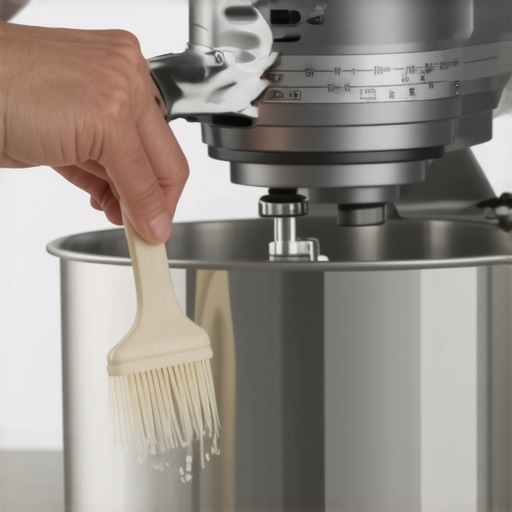
First, always disconnect your mixer from power before cleaning. For stand mixers, remove the bowl and attachments after each use and wash them with warm, soapy water. For whisk and dough hook attachments, I recommend soaking them briefly in a vinegar solution to dissolve any baked-on residues, then scrub gently with a soft brush. This prevents buildup that can hinder their movement or cause uneven mixing. Also, inspect the drive shafts and gears periodically for signs of wear or damage—replacing worn parts early can save you from costly repairs down the line.
Using a lubricant recommended by the manufacturer on moving parts can keep everything operating smoothly. I prefer using a silicone-based spray designed for kitchen appliances, which resists dust and flour accumulation. Remember, avoiding harsh abrasives or metal brushes prevents scratching or damaging sensitive surfaces.
Tools I recommend for ongoing maintenance
One tool I find indispensable is a small, soft-bristled brush, which helps me clean hard-to-reach areas inside the attachments and the mixer body. For deep cleaning, I keep a set of microfiber cloths to wipe down the exterior and motor vents, ensuring dust and flour don’t compromise the motor’s cooling system. Additionally, a quality silicone spray lubricant, like WD-40 Specialist Silicone, is perfect for maintaining the gear mechanisms without attracting dust.
To ensure longevity, I also keep a spare set of whisk and dough hook attachments, so I can rotate and clean them thoroughly without downtime. Regularly checking the power cord for cracks or frayed wiring is crucial—damaged cords pose safety hazards and should be replaced immediately.
Future trends in tool maintenance
Looking ahead, I predict more manufacturers will integrate self-cleaning features or easy-access parts to simplify routine upkeep. Smart sensors might alert you when lubrication or part replacement is needed, making maintenance even more straightforward. Staying ahead of these innovations means investing in high-quality, durable equipment now, so you’re ready for the future of baking technology.
Try incorporating a weekly cleaning routine with a vinegar soak for your attachments and a quick wipe-down of your mixer body—these small steps can make a big difference in performance and lifespan. Remember, a well-maintained mixer is the backbone of excellent baking results!
< >
>
The Hardest Lesson I Learned About stand mixer,hand mixer,baking mixer,whisk attachments,dough mixing
One of my biggest lightbulb moments was realizing that my seemingly powerful stand mixer couldn’t handle delicate tasks like whipping egg whites without overmixing or burning out. It taught me that more wattage doesn’t always mean better performance for every task. Sometimes, it’s about choosing the right attachment and speed for the job, rather than just raw power.
3 Myths About stand mixer,hand mixer,baking mixer,whisk attachments,dough mixing That Held Me Back
I used to believe that a large bowl capacity meant I could always handle bigger recipes, but in reality, cumbersome equipment slowed me down in small-batch baking. I also thought that a stand mixer could replace all my manual tools, but I found that for quick, light tasks, a hand mixer was more practical—and less cluttered. Lastly, I assumed that all attachments were interchangeable, only to discover that compatibility and task-specific design truly matter.
What Experts Won’t Tell You About stand mixer,hand mixer,baking mixer,whisk attachments,dough mixing
Few realize that regular maintenance of attachments, like soaking dough hooks in vinegar or cleaning whisk remnants promptly, extends their lifespan and preserves mixing quality. Moreover, selecting a mixer with versatile, easy-to-clean attachments can transform your baking experience—not just for now, but for years to come. Investing in durable, high-quality tools and understanding their specific uses is a secret that can significantly elevate your baking results.
Curated Recommendations for Your Baking Arsenal
Start with a reliable stand mixer guide that compares top models suited for heavy-duty doughs and versatile tasks. Pair that with a comprehensive buying guide to match your needs with the perfect machine. I personally trust brands with excellent warranties and positive user feedback, like KitchenTech’s recommended models, which have stood the test of time in my kitchen.
Enhance your setup with a set of high-quality attachments that suit your favorite recipes. Don’t forget to keep a handy cleaning toolkit nearby to maintain your tools and ensure peak performance over time.
Your Turn to Try
Choosing the right mixer and attachments is a game-changer for your baking confidence. Remember, it’s about matching your equipment to your specific baking goals and maintaining it well. With the right tools and knowledge, your baking can reach new heights—more consistent, enjoyable, and successful.
What’s been your biggest challenge in selecting or using a mixer? Share your story below, and let’s learn from each other’s experiences!

I really appreciate this detailed breakdown of stand versus hand mixers. When I first started baking, I bought a heavy-duty stand mixer thinking I’d use it for everything, but I quickly realized it wasn’t ideal for small, quick tasks. Now, I prefer keeping a lightweight hand mixer handy for those smaller mixers. It’s interesting how many people assume more power means better results—sometimes, it’s about the finesse of selecting the right attachment and speed. For me, I find that mastering the use of different attachments, like dough hooks or whisks, really enhances the quality of my baked goods. Has anyone else found that certain attachments perform better on specific recipes? I’d love to hear your experiences with which tools have made a noticeable difference in your baking outcomes.
I completely relate to the feeling of being overwhelmed by mixer options when I first started baking. I invested in a high-powered stand mixer thinking bigger was always better, but I found it impractical for my small-batch projects and quick tasks. Over time, I’ve realized that having a reliable hand mixer for smaller jobs is more practical, especially since it’s less bulky and easier to clean. What’s helped me is understanding that different recipes truly benefit from specific attachments or speeds; for example, the dough hook handles bread making, while the whisk is perfect for meringues. I’ve also learned that taking care of attachments, like soaking them in vinegar occasionally, extends their lifespan and maintains optimal performance. How do others manage the storage of multiple attachments without cluttering your kitchen? I’d love to hear tips on organizing a baking arsenal efficiently.