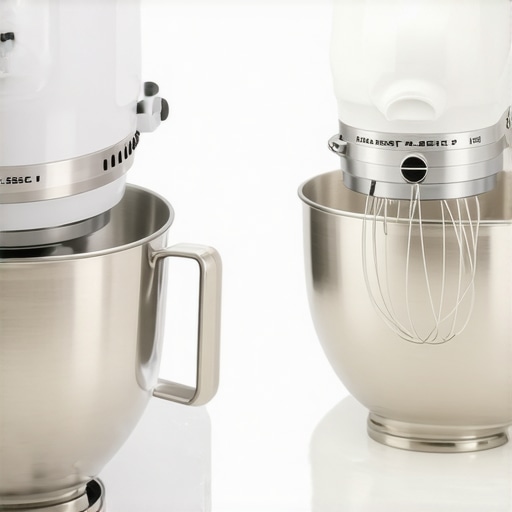
My Personal Journey: Finding the Perfect Baking Mixer
Ever since I started baking seriously, I’ve been on a quest to find the ideal mixer that could handle everything from fluffy whipped cream to kneading hearty bread dough. My first experience was with a basic hand mixer, which served me well in initial projects, but I soon realized its limitations when tackling larger batches or denser doughs.
Understanding the Difference: Hand vs. Stand Mixers
As I delved deeper into baking, I discovered that choosing between a hand mixer and a stand mixer depends largely on my baking style and needs. Hand mixers are lightweight, affordable, and great for quick tasks, but stand mixers offer power, stability, and versatility for complex recipes like bread or large cake batters.
My Experience with Hand Mixers: The Quick Fix
I loved my first hand mixer for its convenience. It was perfect for whipping cream or beating eggs. However, when I tried to make bread dough, I found myself fighting the machine’s limited power and the fatigue of holding it for extended periods. For small, quick tasks, it was a lifesaver, but I knew I needed something more robust for serious baking.
My Journey with Stand Mixers: The Baking Powerhouse
Switching to a stand mixer transformed my baking experience. With its powerful motor and various attachments, I could knead dough effortlessly and whip large batches of meringue without breaking a sweat. The stability of a stand mixer meant I could leave it running while I prepared other ingredients, making my workflow smoother and more enjoyable. I found that investing in a quality stand mixer was a game-changer, especially for kneading dough, which requires consistent, vigorous mixing—something my hand mixer couldn’t handle as well as a stand model.
Which Is Better for Whisk & Dough Tasks?
Based on my experience and extensive research, I believe that stand mixers are generally better for dough and heavy whisking tasks due to their power and stability. For quick whisking or small batches, a good hand mixer is sufficient and more convenient. To get a comprehensive view, I also looked at experts’ opinions on attachment versatility and found that stand mixers often come with a variety of attachments that expand their usefulness.
How do I decide which mixer suits my baking style?
Think about the types of baking you do most often. If you’re baking bread regularly, a stand mixer for dough is worth the investment. For quick, occasional tasks, a hand mixer might be enough. Ultimately, the key is balancing your budget, space, and baking needs. For more tailored advice, check out this ultimate guide.
If you’re considering upgrading your kitchen tools, I highly recommend exploring the options available. Feel free to share your experience or ask questions in the comments below — I love hearing different perspectives!
Mastering Mixer Attachments: Unlocking Versatility for Every Baking Task
When it comes to baking, having the right mixer attachments can elevate your culinary game. From whisking delicate meringue to kneading dense bread dough, the proper attachments ensure optimal results. Many modern mixers come equipped with a variety of tools such as dough hooks, flat beaters, and balloon whisks, each designed for specific tasks. Understanding which attachments are compatible with your mixer and how to utilize them effectively is crucial for bakers aiming for professional-quality baked goods.
Are Your Attachments Up to the Task? Assessing Compatibility and Performance
One common question among baking enthusiasts is whether their existing attachments can handle the rigors of heavy dough or delicate whipping. Compatibility isn’t just about fitting; it’s about performance. For example, dough hooks are engineered for kneading stiff dough, but their efficiency depends on the motor power and design. Similarly, balloon whisks excel at incorporating air into mixtures, but require a sturdy attachment mechanism to prevent wobbling or detachment during vigorous mixing. For detailed insights on attachment versatility, consult expert guides like this comprehensive resource.
Optimizing Your Baking Workflow with Proper Mixer Usage
Using your mixer attachments correctly can significantly improve your baking efficiency and quality. For instance, starting with low speeds when combining ingredients prevents splattering, while gradually increasing speed ensures thorough mixing. When kneading bread dough, employing the dough hook at a moderate speed allows gluten development without overheating the motor. Moreover, cleaning and maintaining attachments properly extends their lifespan and maintains performance. Remember, the right technique combined with suitable attachments makes all the difference in achieving consistent results.
How can I troubleshoot common attachment issues to ensure smooth baking sessions?
Many bakers encounter issues such as attachments slipping, wobbling, or not fitting securely. These problems often stem from compatibility issues, worn-out attachment hubs, or improper installation. To troubleshoot, always refer to your mixer’s manual for compatibility details and installation instructions. Ensuring that attachments are fully inserted and locked into place before operation is essential. If wobbling persists, inspect the attachment and hub for debris or damage. Regularly checking and replacing worn parts prevents disruptions during critical baking steps. For more troubleshooting tips, explore expert advice on this trusted source.
Do you have favorite attachments or tips for maximizing your mixer’s potential? Share your experiences or ask questions in the comments — I love exchanging insights with fellow bakers!
Why I Started Exploring Beyond Basic Attachments: Personal Lessons in Versatility
Over the years, I realized that relying solely on the standard beaters or dough hooks limited my baking potential. I vividly remember a time when I attempted to make a delicate soufflé, only to find that my mixer’s whisk attachment wasn’t quite up to the task of creating that perfect airy texture. That experience sparked my deep dive into understanding how different mixer attachments could unlock new levels of precision and finesse in my baking.
How Attachments Define the Professional Edge in Home Baking
The right attachments aren’t just add-ons; they’re essential tools that transform your mixer into a multi-functional powerhouse. For instance, the dough hook is a game-changer for bread artisans like myself, enabling kneading without the fatigue or inconsistency of manual efforts. Meanwhile, the balloon whisk can incorporate air into delicate meringues or whipped creams with a lightness that manual whisking simply can’t match. My journey taught me that investing in quality, compatible attachments not only saves time but also elevates the quality of your baked goods.
Are Your Attachments Up to the Task? Navigating Compatibility and Performance
One challenge I encountered early on was figuring out whether my existing attachments could handle more demanding tasks. It’s not just about fitting—performance depends heavily on the motor strength and design compatibility. For example, attempting to knead dense dough with a weakly supported attachment often led to wobbling or even damage. That’s when I discovered that reading expert reviews and manufacturer specifications is crucial. For instance, this resource provided invaluable insights into which attachments are truly suited for heavy-duty tasks, ensuring I don’t waste money or time on incompatible tools.
Optimizing Your Baking Workflow: Techniques for Effective Attachment Use
Using attachments effectively requires more than just choosing the right tools; technique plays a pivotal role. I’ve learned to start at low speeds to prevent splattering, especially when incorporating dry ingredients. Gradually increasing speed ensures thorough mixing without overworking the ingredients or straining the motor. When kneading dough, I focus on maintaining a steady, moderate speed to develop gluten structure properly—overdoing it can lead to overheating or toughening the dough. Additionally, cleaning attachments thoroughly after each use preserves their performance and longevity, which I consider a vital aspect of professional-level baking. Proper care and technique turn simple attachments into reliable partners in the kitchen.
How Do I Troubleshoot Common Attachment Issues to Maintain Smooth Baking Sessions?
Wobbly or slipping attachments are frustrating, but many issues can be resolved with some troubleshooting. I always double-check that attachments are properly inserted and locked into place—sometimes a simple misalignment causes wobbling. Inspecting the attachment hubs for debris or wear helps prevent wobbling or detachment during vigorous mixing. If wobbling persists despite correct installation, I consider replacing worn-out parts or upgrading to higher-quality attachments. Regular maintenance, such as lubricating the attachment points and following manufacturer guidelines, keeps everything running smoothly. For more detailed troubleshooting tips, I often refer to this trusted source that combines expert insights with practical advice.
Sharing my experiences has helped me develop a nuanced understanding of how to maximize my mixer’s potential through the right attachments and techniques. I encourage fellow bakers to explore the array of attachments available and discover which ones best suit their baking style. If you’ve found your secret weapon attachment or have tips for troubleshooting, I’d love to hear your stories—drop a comment below or share your insights!
How Can I Maximize the Potential of Mixer Attachments for Specialized Baking Tasks?
Over the years, I have discovered that the true power of a versatile mixer lies in understanding how to leverage its attachments beyond basic functions. For instance, using a professional-grade attachments like wire whisks or specialized dough hooks can elevate your baking precision tremendously. For delicate tasks such as tempering chocolate or creating airy soufflés, selecting the right attachment—paired with the correct speed and technique—is crucial. Investing in high-quality, compatible accessories allows for more consistent results and unlocks new culinary possibilities, transforming your home kitchen into a professional bakery.
One advanced tip I’ve found invaluable is using a variable speed control to fine-tune the mixing process. This allows for gradual incorporation of ingredients, preventing splatters and ensuring even texture. For example, when making a soufflé, starting at a low speed and gradually increasing helps build volume without deflating the mixture. Additionally, employing attachments like a balloon whisk for egg whites yields superior aeration compared to manual whisking, which is often inconsistent. Mastering these nuanced techniques can dramatically improve your baking outcomes, especially for complex recipes requiring finesse.
Are There Expert-Recommended Practices for Maintaining Attachment Performance Over Time?
Absolutely. Consistent maintenance ensures your attachments perform at their peak, which is essential for precision baking. I routinely inspect the attachment hubs for debris or corrosion, as even minor buildup can compromise stability or cause wobbling during vigorous mixing. Regular lubrication of attachment joints with a food-safe lubricant, as recommended by industry experts, prolongs their lifespan and maintains smooth operation. Additionally, I always clean attachments immediately after use with warm, soapy water, avoiding harsh abrasives that could damage delicate surfaces. Keeping your equipment in excellent condition not only preserves performance but also ensures safety and hygiene in your baking process.
For those seeking deeper insights into attachment maintenance and optimization, I recommend exploring comprehensive guides like the one from this authoritative resource. Implementing these best practices can turn routine cleaning into a ritual that sustains your equipment’s reliability, enabling you to consistently produce bakery-quality baked goods.
How Do I Troubleshoot Compatibility Issues with Advanced Attachments?
Encountering compatibility issues is a common challenge, especially when integrating third-party or specialized attachments. I’ve learned that verifying compatibility begins with carefully reviewing your mixer’s specifications and the attachment’s design. For instance, some attachments may fit standard hubs but lack the power or stability to handle dense dough or heavy mixtures. In such cases, consulting manufacturer guidelines or expert reviews can save you time and prevent damage. If an attachment wobbles or does not lock securely, it might be due to wear or misalignment. I recommend periodically inspecting and replacing worn parts, as suggested by this detailed guide.
Moreover, investing in a high-quality mixer with a robust attachment hub reduces the likelihood of compatibility problems. For example, selecting a model with a universal attachment system or adjustable fitting mechanisms can accommodate a broader range of accessories, offering greater flexibility and safety. When in doubt, reaching out to customer support or engaging with online communities dedicated to baking equipment can provide valuable insights and troubleshooting tips tailored to your specific setup.
If you want to push your baking game even further, I encourage you to share your experiences or ask questions about advanced attachment compatibility and maintenance. Engaging with a community of passionate bakers can reveal innovative solutions and inspire your next culinary masterpiece.
Things I Wish I Knew Earlier (or You Might Find Surprising)
The Power of Proper Maintenance
One thing I learned the hard way is that regular cleaning and lubrication of your mixer attachments can dramatically extend their lifespan and performance. I used to neglect this, leading to wobbling attachments and inconsistent mixing. Now, I make it a habit to inspect and maintain my tools, which has made a noticeable difference in my baking results.
Attachment Compatibility Is Key
Initially, I bought attachments without checking compatibility, which caused frustration when they wouldn’t fit or perform properly. After reading some expert reviews, I realized the importance of verifying compatibility and quality before investing in new accessories. This saved me money and time, and improved my baking efficiency.
Speed Settings Matter
Adjusting the mixer speed appropriately is more crucial than I thought. Starting slow prevents splattering, while gradually increasing speed helps develop better texture in batters and doughs. This simple technique has improved my baked goods’ consistency and appearance.
Heavy-Duty Tasks Require Robust Gear
I used a basic hand mixer for all tasks, but for heavy doughs like bread, it just wasn’t enough. Upgrading to a stand mixer with a powerful motor made kneading much easier and less tiring. It was a game-changer for my baking routine.
Don’t Overlook the Attachments
Many bakers focus on the mixer itself but forget that attachments are what unlock its full potential. Investing in high-quality, versatile attachments like dough hooks and balloon whisks has allowed me to explore new recipes and achieve professional-quality results at home.
Experiencing the Difference in Whisk Attachments
Using a proper balloon whisk attachment made a huge difference in whipping egg whites compared to manual whisking. The air incorporation was much better, and I achieved perfect peaks every time. It’s these small upgrades that elevate your baking game.
Resources I’ve Come to Trust Over Time
- KitchenTechHQ’s Buying Guides: These comprehensive reviews helped me understand the nuances of choosing between hand and stand mixers, ensuring I bought the right tool for my needs.
- America’s Test Kitchen: Their expert testing and unbiased recommendations gave me confidence in selecting durable, high-performance attachments and mixers.
- Serious Eats: Their detailed articles on mixer maintenance and troubleshooting have saved me many headaches and improved my baking workflow.
Parting Thoughts from My Perspective
Ultimately, discovering the right baking mixer and understanding how to optimize its attachments has transformed my home baking. It’s not just about having the best equipment, but knowing how to care for and utilize it effectively. I encourage you to explore different attachments and techniques—your baked goods will thank you. If this resonated with you, I’d love to hear your thoughts or experiences. Share this article with a fellow baker or leave a comment below — let’s keep the conversation going and elevate our baking adventures together!

Reading through your detailed journey with different mixers really resonated with me. I started with a basic hand mixer for small tasks but quickly realized its limits once I got into bread baking and larger batches. Transitioning to a stand mixer truly transformed my workflow—I can leave it running without fatigue, especially when kneading dough, which was always so tiring manually. What’s been interesting for me is exploring the various attachments and their roles; I never considered how critical proper technique and maintenance are until I faced issues like wobbling attachments or uneven mixing.
One thing I found helpful is investing in a good quality attachment hub and routinely inspecting for debris or wear—I’ve almost avoided many troubleshooting headaches this way. I’m curious, how do you handle adjusting speed settings for delicate recipes like soufflés or meringue? Do you have any tips for gradually increasing speed without deflating or overwhipping? I’d love to hear more about your experiences with attachment versatility and how that has elevated your baking results.
Thanks for sharing your detailed experience with both hand and stand mixers. I can really relate to your journey, especially the part about how switching to a stand mixer enhanced your baking workflow. I’ve recently been contemplating whether to upgrade from my trusty hand mixer to a stand model, particularly because I love making bread and large cake batches, but I worry about space and budget constraints. Your insights about attachments really opened my eyes; I hadn’t fully appreciated their importance until I saw how much they can expand the mixer’s capabilities.
One thing I wonder about is how you manage to clean and maintain those various attachments, particularly after using dense doughs or sticky batters. Do you have a cleaning routine that keeps everything in top shape without too much hassle? Also, for those who are new to using different attachments, do you have a favorite tool that’s been a real game-changer in your baking process? It’d be great to hear your thoughts or any tips for someone considering making the switch but unsure how to get started effectively.