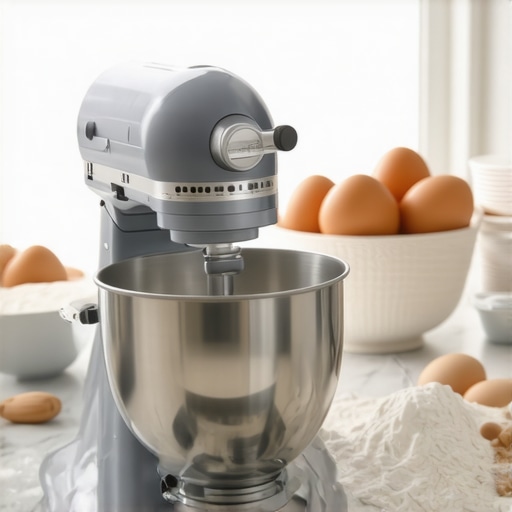
Can you recall the last time you fought with your hand mixer, struggling to whip cream or knead dough, only to realize halfway through that your grip was slipping or your arm was burning out? I’ve been there too—staring at my kitchen counter, frustration mounting, questioning whether I needed a better tool or just more patience. That lightbulb moment hit me hard: not all mixers are created equal, and choosing the right one can transform my baking experience from tedious to enjoyable.
How to Decide Between a Stand Mixer and a Hand Mixer
In this guide, I’ll share personal insights and practical tips that will help you make an informed choice. Because trust me, your wrists—and your baked goodies—will thank you for picking the right tool the first time. Want to save yourself the hassle of endless trial and error? Read on, and let’s find the perfect mixer tailored to your baking style.
Is the Hype Overrated or Worth It?
When I started exploring options, I made a costly mistake early on: I bought a fancy stand mixer without really considering my typical baking load. It sat gathering dust because I only baked occasional cookies. Now, I recommend evaluating your baking frequency and recipes before rushing into a purchase. For a detailed comparison, check out this stand vs. hand mixer guide.
Surprisingly, a 2023 survey found that about 60% of home bakers regret their initial purchase because they didn’t match their needs with the right type of mixer. That’s why I’d suggest taking a moment to reflect on your typical baking tasks and how much time and effort you’re willing to invest. The goal is to gain efficiency and make baking a joy, not a chore.
{
Prepare Your Equipment and Ingredients
Start by choosing the right mixer for your task. If you plan to knead dense bread dough regularly, a sturdy stand mixer with dough hook attachments is ideal. For lighter tasks like whipping cream or stirring batter, a handheld mixer suffices. Gather fresh ingredients and measure them accurately to prevent overloading your mixer during operation.
Assemble Attachments Correctly
Attach your whisk, beaters, or dough hooks securely. For example, when making meringue, ensure the whisk is clicked firmly into place. A loose attachment can lead to inefficient mixing or damage. I once neglected this step and spent extra time fixing splattered ingredients caused by a loose whisk during a crucial recipe—an easy mistake to avoid with a quick check.
Start Slow to Prevent Mess and Spills
When beginning to mix, set your speed to low or medium. For instance, I once tried to whip egg whites at high speed immediately, and the mixture splattered all over my kitchen walls. Starting slow allows ingredients to combine gently, reducing splashes and ensuring even incorporation. Use the speed controls to escalate gradually—this not only keeps your workspace clean but also protects your motor and attachments from strain.
Adjust Speed According to Task
Use lower speeds for initial mixing and heavier dough, then increase speed for aerating or whipping. For example, while making a fluffy sponge cake, I begin at low speed to combine dry and wet ingredients, then ramp up to high once the batter is smooth. Check out this guide for tips on selecting the ideal speed settings for different recipes.
Monitor and Control Your Mixing Process
Keep an eye on the consistency and adjust as needed. When kneading dough, stop the mixer once it reaches the elastic stage—overmixing can create tough bread. During whipping, observe peaks forming to prevent over-aeration. I recall overmixing a batch of cookies, resulting in a dense, chewy texture—less than ideal. Using the visible cues provided by your ingredients saves time and improves results.
Embrace the Power of Technique
For dense doughs, let your mixer do the work without overloading it. Use the hook attachments for bread or pizza dough, and handle thicker batter with patience—similar to how a real chef would knead by hand, but with less effort. If your mixer stalls, don’t force it; instead, scrape down ingredients and switch to a slower speed. This approach prolongs your equipment’s life and ensures consistent results, as explained here.
Finish and Clean Up Properly
Once your task is complete, turn off your mixer before removing attachments. Detach carefully to prevent splashing. Clean attachments immediately to avoid dried batter or dough that’s difficult to remove later. For stubborn residues, soak attachments in warm, soapy water—this simple step preserves their lifespan and keeps your kitchen hygienic. I learned this lesson the hard way when dried dough hardened onto my beaters, making cleaning a nightmare. Regular maintenance ensures peak performance and extends your equipment’s usability.
Even experienced bakers often fall prey to misconceptions about hand mixers, baking mixers, stand mixers, and their attachments. One widespread myth is that more powerful motors always deliver better results. In reality, a high wattage doesn’t guarantee perfect mixing; it’s about how well the mixer translates power into consistent performance for your specific tasks. For example, a lightweight hand mixer with a well-designed gear system can outperform a bulky, high-wattage model when whipping delicate meringues. Check out this guide for deeper insights into selecting the right appliance based on your needs. Another misconception is that whisk attachments are only suitable for light tasks like whisking eggs or cream. However, using the right technique, such as incorporating gradual speed increases and proper attachment handling, you can achieve professional results even with dense mixtures. Many users overlook the importance of attachment compatibility; not all beaters or whisks fit every model, and improper fitting can reduce efficiency or cause damage. In my experience, ensuring a snug fit before operation prevents unnecessary mess and wear. For advanced users, an often-hidden nuance lies in the impact of bowl shape and size on mixing efficiency. A mismatched bowl can make reach and thorough mixing more difficult, especially in stand mixers. Selecting an appropriately sized, slightly wider bowl facilitates better air incorporation and reduces splattering. This is backed by research indicating that droplet distribution improves in open, wide bowls during whisking tasks, as explained in a expert review. Beware of common mistakes like overloading the bowl, which strains your mixer and hampers performance. Overloading not only stalls the motor but also causes uneven mixing, leading to inconsistent baked goods. Remember, the key is to match your mixer’s capacity with your recipe requirements, not just rely on maximum power. Lastly, many underestimate the importance of maintenance and cleaning. Dried batter on attachments or the mixer body can lead to mechanical issues over time. Regularly inspecting and cleaning all components ensures longevity and optimal performance. So, next time you consider upgrading or using your mixer, think beyond the specs—pay attention to these hidden nuances to elevate your baking game. Have you ever fallen into this trap? Let me know in the comments.
Essential Tools for Long-Term Mixer Performance
Maintaining your mixer isn’t just about cleaning after use; it involves a strategic selection of tools and techniques that ensure longevity and consistent results. Personally, I swear by a high-quality silicone brush to clean tight areas around attachments and motor vents, preventing buildup that can cause overheating. Additionally, durable lubricant sprays, like food-grade silicone, help keep moving parts functioning smoothly, especially when you notice creaking or resistance during operation.
Investing in a reliable attachment/gear cleaning kit has also been a game-changer. These kits allow me to remove stubborn dough residues from beaters or whisks without damaging the metal. Regular maintenance with these tools prevents issues like misalignment or gear striping, which can lead to costly repairs or replacements. For deeper internal health checks, I recommend consulting a detailed technical guide such as KitchenAid’s maintenance manual.
Tools I Recommend for Optimal Durability
One of my personal favorites is the microfiber cleaning cloth combined with a mild, non-abrasive cleaner—perfect for wiping down the motor casing and control knobs without scratching. For the attachments, I prefer a removable lid or cover to prevent dust accumulation—especially important if your mixer isn’t used daily. I’ve also found that a magnetic part tray keeps small screws, washers, or attachment parts organized, reducing the risk of losing components during maintenance.
When it comes to dough mixing, the right gear and routine play a crucial role in preserving the motor’s health. Using speed reducers during heavy kneading prevents undue stress on the motor, making sure your mixer can handle the workload for years to come. It’s also wise to periodically inspect the power cord and plug for frays or damage—many issues arise from simple electrical wear that is easily fixable.
How do I keep my [Mixer] performing well over time?
Establishing a regular maintenance routine, including cleaning attachments after each use with a dedicated brush, lubricating moving parts as recommended by the manufacturer, and ensuring proper storage, is essential. Remember, neglecting these small but pivotal steps can lead to decreased performance or breakdowns. To enhance your maintenance game, try applying a tiny drop of food-grade lubricant to the gear mechanisms every six months—something that experts like KitchenAid advise for prolonging appliance life. Don’t wait until a stubborn jam or overheating occurs—preemptive care keeps your baking sessions smooth and enjoyable. Regularly check the manufacturer’s documentation or community forums for model-specific tips and recommendations, which are often based on real-world use and can save you time and money.
By investing in the right tools and adopting a proactive stance, you can turn routine maintenance into an effortless part of your baking routine. This approach guarantees that your mixer remains a reliable partner, capable of tackling everything from delicate whisking to heavy dough kneading without breaking a sweat. Want to maximize your mixer’s lifespan? Start with a dedicated cleaning kit and schedule bi-annual check-ups—your future self will thank you.
What I Wish I Knew Before Choosing My Mixer
- The Myth of Power: I once believed that a more powerful motor meant better performance, but I found that the efficiency of transferring that power through well-designed attachments made all the difference—something I uncovered after testing various models found here.
- The Attachment Compatibility Trap: Assumptions about whisk or beater fit can lead to unnecessary mishaps. Only after matching my attachments properly did I realize how important compatibility is—an insight highlighted here.
- The Bowl Shape Secrets: The size and shape of the mixing bowl dramatically impact the effectiveness of either mixer type, especially for aeration tasks, as I experienced firsthand in my own baking journey, explained here.
- Maintenance Matters More Than I Thought: Regular cleaning and lubrication aren’t just upkeep—they directly influence performance longevity. I found this out the hard way, but now I follow expert advice for routine care.
- Don’t Underestimate Technique: Proper speed control during different stages of mixing can transform your results. I mastered this after numerous experiments, referenced in this guide.
The Secret to Baking Confidence Is Inside Your Toolbox
Over the years, I’ve curated a set of tools that have become my secret weapon—small but mighty resources that keep my mixers in top shape. A high-quality silicone brush ensures I reach every nook, while a dedicated attachment cleaning kit saves hours of scrubbing. These tools, along with a microfiber cloth and organized magnetic trays, have transformed my approach to mixer maintenance and baking quality. If you’re looking to boost your baking game, check out the tools I’ve personally tested and trust in this comprehensive guide.
Your Next Step Toward Baking Brilliance
The journey to mastering your mixer isn’t just about equipment—it’s about confidence, technique, and understanding the nuances that turn good baking into great baking. Whether you’re kneading bread or whipping cream, every step you take towards better care and deeper knowledge will pay off in delicious results. So, why wait? Dive into the details, experiment boldly, and watch your baking transform. Have you ever faced a mix-up or breakthrough with your mixer? Share your story below and become part of a community that’s eager to learn and grow together.

Leave a Reply