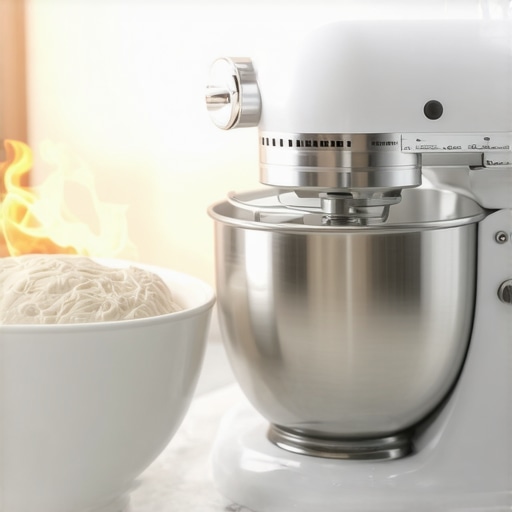
Have you ever been midway through whipping up a batch of dough or batter, only to be suddenly hit by a foul, burnt smell coming from your hand mixer? That unpleasant aroma is enough to send your baking plans into disarray. I remember the first time it happened to me—my mixer was working perfectly fine just moments before, then suddenly, a faint burning scent filled the kitchen, making me worry I had just broken my beloved appliance. It was a lightbulb moment—realizing that an issue like this isn’t just about an unpleasant smell but a sign that something’s not right with your equipment.
Why Your Motor Might Be Smelling Burnt and How to Fix It
Understanding what’s happening beneath the surface can save you a lot of frustration—and money. The burnt smell usually indicates that your motor is overheating or that there’s an internal issue causing excess friction or electrical problems. It might seem like a small thing, but ignoring this warning can lead to motor failure or even pose safety risks. But don’t worry; with a bit of guidance, you can identify the root cause and prevent future mishaps. If you’ve faced this problem, you’re not alone—many home bakers encounter this bump in the road. For more comprehensive advice on choosing the right mixer, I recommend checking out expert buying tips for 2024.
No, it’s not just your imagination—this is a common issue
Early in my baking adventures, I made a big mistake: I used my hand mixer for tasks it wasn’t designed for, like heavy kneading or prolonged mixing, without giving it breaks. That simple misstep led to overheating and, eventually, the burnt smell. Trust me, knowing your equipment’s limits is crucial. If you’ve been pushing your mixer beyond its capacity, it may be time to revisit some fundamental guidelines—like those discussed in the ultimate guide to choosing the right mixer. Once you recognize the signs of stress on your appliance, you can take steps to prevent damage and keep your kitchen safe. In the next sections, I’ll walk you through practical tips to troubleshoot your mixer and ensure it keeps running smoothly for countless baking sessions to come.
Assess Motor Overheating
Begin by unplugging your mixer immediately to prevent further damage. Feel the motor housing—if it’s hot to the touch, overheating is likely the culprit. In my experience, I once ignored this step and kept using the mixer, which only worsened the smell and risked burning out the motor completely. To cool down, place the mixer in a well-ventilated area and allow it to rest for at least 30 minutes before inspecting further.
Inspect Attachments for Jams or Friction
Detach all accessories, such as the dough hook, whisk, or beaters. Check for any food debris, dough buildup, or misaligned parts. I once had a thick bread dough stuck in my whisk, causing excessive friction and heat. Use a soft brush or cloth to clean attachments thoroughly. Remember, misaligned or damaged attachments can cause internal strain and heat buildup, contributing to the burnt smell.
Examine Internal Components
Remove the mixer’s casing if you’re comfortable doing so, following the manufacturer’s guide. Check for signs of electrical burns, charring, or accumulated dust and debris. I had to replace a worn-out capacitor inside my mixer after noticing a burnt smell persisted even after cleaning. If internal parts look damaged or burnt, consult a professional or contact the manufacturer’s support for repairs. For high-quality recommendations on standing mixers, visit best stand mixers in 2024.
Clean and Lubricate Moving Parts
Use a manufacturer-approved lubricant to ensure gears and moving mechanisms operate smoothly. Dirt or old lubricant can cause increased friction and overheating. During a repair, I applied a small amount of food-grade lubricant to the gears of my mixer, which helped reduce strain. Be cautious to use only suitable lubricants, as improper ones can damage internal components. Regular maintenance like this extends your mixer’s lifespan and prevents burning smells.
Test After Repairs
Reassemble your mixer carefully and run it on a low setting without load—no attachments. Observe its operation and smell for any signs of overheating or burning. When I first performed this test after cleaning, the smell disappeared, and the mixer operated smoothly. If the burnt smell persists, the motor may have sustained damage and require professional servicing or replacement. For more insight into suitable mixers based on your needs, check out the ultimate guide on choosing the right mixer.
Prevent Future Burnouts
Always operate your mixer within its recommended capacity—avoid overloading or extended use on high speeds during heavy tasks. Use appropriate attachments for specific tasks—dough hooks for bread, beaters for cake batter, and whisks for whipping cream—to prevent undue stress. When in doubt, consult reviews and buying guides like the best baking mixers of 2024 to select equipment suited to your baking style. Proper maintenance and correct usage are the best defenses against burnt smells and motor failure.Many home bakers operate under assumptions that can hinder their results, often without realizing it. One prevalent misconception is that all whisk attachments are interchangeable across different models, which isn’t true; specific designs require compatible beaters for optimal performance see more on choosing the right attachments. Another mistake is believing that heavier doughs should always be kneaded at high speeds. In reality, overworking dough at high settings can lead to overheating motor components or undermining gluten structure, resulting in a dense final product. Advanced bakers know that techniques like slow initial mixing combined with precise speed adjustments are crucial for perfect dough development learn more about advanced mixing strategies.
Furthermore, many assume that using low-quality or mismatched accessories won’t impact their baking. This is false; poorly designed or incompatible attachments can cause uneven mixing, excessive wear, or even damage to internal components over time. Regularly inspecting and upgrading to professional-grade attachments when necessary can save you from costly repairs find out how to select durable accessories.
A lesser-known nuance is the impact of mixing order and timing. For example, adding ingredients too quickly or mixing in the wrong sequence can affect dough elasticity and gluten development, leading to inconsistent textures. Expert bakers master the art of ingredient integration, customizing their approach based on recipe requirements, which often involves strategic pauses or speed changes during mixing. This level of control can dramatically improve baking outcomes, especially when working with delicate or complex recipes discover detailed mixing techniques for advanced bakers.
Have you ever fallen into any of these traps? Let me know in the comments. Remember, understanding the nuances of your equipment and technique elevates your baking from good to exceptional. For a deeper dive into selecting the ideal mixer for your needs—whether for kneading, whisking, or battering—check out our expert buying tips for 2024. Mastering these subtleties can prevent common pitfalls and lead to consistently perfect baked goods.
Keep Your Mixer Running Smoothly with Proper Maintenance
Ensuring your stand mixer remains a reliable kitchen companion requires regular upkeep and the right tools. I personally swear by using a microfiber cleaning cloth to wipe down the exterior after each use, preventing dust and grease buildup. For internal components, a comprehensive guide recommends periodically inspecting and cleaning gears and electrical contacts with compressed air. Invest in a precision screwdriver set to safely open and reassemble your mixer if you plan on deeper maintenance—this can extend your appliance’s lifespan significantly. Regular lubrication of moving parts, using only manufacturer-approved food-grade lubricants, minimizes friction that can cause overheating or burning smells. For example, applying a small amount of silicone-based lubricant to the gear mechanisms every six months has helped me keep my mixer performing like new. As technology progresses, newer models incorporate self-diagnostic features, which can alert you to potential issues early—think of it as a health checkup for your appliance. To keep your equipment performing at its best, I recommend setting a maintenance schedule that aligns with your baking frequency, especially before big baking projects. This proactive approach aligns with modern maintenance strategies. Make it a routine to inspect and clean your mixer monthly, and you’ll prevent many common issues like burnt smells or motor strain. Remember, a well-maintained mixer doesn’t just last longer—it ensures your baked goods always come out perfect. Try incorporating this simple but effective maintenance tip: lubricate your mixer’s gears every six months using a food-safe lubricant. This small step can dramatically reduce internal friction and extend your appliance’s lifespan. Keeping your baking tools in top shape empowers you to tackle any recipe with confidence and smooth operation.
What I Wish I Had Known Before Blowing Out My Mixer
One of the most eye-opening lessons I’ve learned is that not all mixers are made for every task. Pushing a hand mixer to knead heavy dough or overusing it on high speed without breaks was a rookie mistake that led to the dreaded burnt smell and motor stress. Now, I deeply understand the importance of respecting my equipment’s limits and adjusting my techniques accordingly.
Another insight came when I discovered that even the best mixer can be prone to internal issues if not properly maintained. Regular cleaning, lubrication, and cautious usage aren’t just chores—they’re investments in your appliance’s longevity and your baking success. Neglecting these can result in persistent odors or costly repairs, which can derail your baking plans.
Lastly, I realized that selecting the right attachments and understanding their compatibility makes a huge difference. Using mismatched or poor-quality accessories can cause undue friction and heat, even if your mixer is otherwise in perfect condition. Doing thorough research and choosing top-rated tools ensures smooth operation and delightful results every time.
My Preferred Tools and Resources for Better Baking Equipment
To streamline my baking journey, I rely on comprehensive guides like the ultimate guide on choosing the right mixer. It helped me understand the nuances between stand and hand mixers and pick the perfect fit for my kitchen needs. For reliable accessories, I turn to trusted accessory recommendations that ensure compatibility and durability. When considering new equipment, I consult expert tips for 2024 to stay ahead of trends and innovations.
Rise to the Challenge: Take Control of Your Baking Future
Remember, your journey to perfect baked goods begins with understanding and caring for your mixer. Don’t be discouraged by setbacks—every mistake teaches a lesson that gets you closer to mastery. With mindful use, proper maintenance, and thoughtful upgrades, your baking equipment can be your loyal partner through countless delicious creations. Now is the time to implement these insights and elevate your baking experience—your future self will thank you for it.
How have you managed or prevented burnt smells from your stand or hand mixer? Share your stories or questions below—I love hearing about your baking adventures and challenges!

This article really resonated with me, especially the part about overworking the mixer and not respecting its limits. I used to think I could push my hand mixer for longer periods to save time, but I quickly learned that it leads to overheating and that burnt smell. Now I make a point to give my mixer regular breaks and to use the appropriate attachment for each task. I also appreciate the tips on cleaning and lubrication; I hadn’t considered how important proper maintenance is for preventing that terrible burnt odor. Doing routine inspections has definitely helped extend my device’s lifespan. I’m curious, has anyone found a particularly effective way to keep internal components clean without damaging the electronics? I’d love to hear some tips—they could really help me maintain my mixer better.