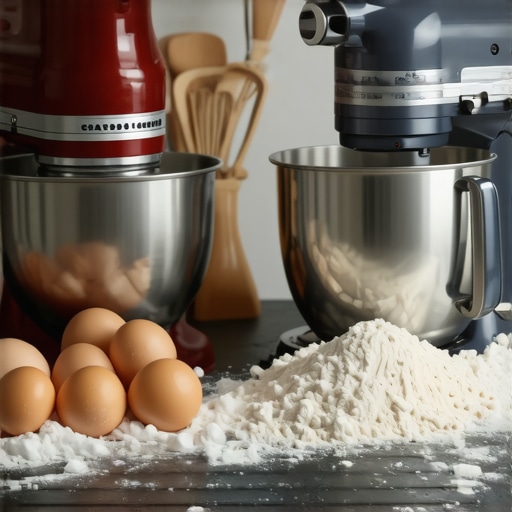
Have you ever stood in your kitchen, staring at a sea of mixers, feeling overwhelmed and unsure if you’re making the right choice? I remember countless times when I bought a mixer, only to realize later that it didn’t quite meet my baking needs. That lightbulb moment hit me hard—why was I struggling to find the perfect match? The truth is, choosing between a hand mixer and a stand mixer isn’t just about price or brand; it’s about understanding what truly fits your baking style and goals.
Why Picking the Right Mixer Matters More Than Ever
In 2024, baking has become more popular than ever, with home cooks experimenting with everything from sourdough bread to intricate cakes. But with so many options, selecting the right mixer can be a daunting task. A poor choice can lead to frustration, wasted money, and even ruined recipes. I’ve learned that the right mixer can make all the difference—saving time, reducing effort, and elevating your baking game. Whether you’re a beginner or a seasoned baker, making an informed decision will keep your kitchen running smoothly and your baked goods tasting delicious.
Have you ever invested in a mixer only to realize it wasn’t quite right for your needs?
If so, you’re not alone. I made this mistake early on, rushing into a high-end stand mixer without considering my baking habits. It sat unused for months because I rarely baked large batches or kneaded heavy dough. This mistake taught me that understanding your specific needs is the first step toward choosing the right appliance. For more insights into what makes a good baking mixer, check out this comprehensive comparison of stand and hand mixers.
Pinpoint Your Baking Needs
Start by assessing what you bake most often. For instance, I once faced a dilemma when I wanted to whip egg whites for a delicate mousse. I realized my hand mixer was perfect for quick, light tasks, but for kneading bread dough, I needed a sturdy stand mixer. To accurately evaluate your needs, think about the recipes you love and whether they require heavy-duty mixing or simple whisking. This step eliminates guesswork and ensures you invest in a tool that truly supports your baking style.
Match Your Space and Budget
Next, consider your kitchen space and budget. Hand mixers are compact, easy to store, and generally less expensive. Stand mixers, however, take up more space but offer more power and versatility. I once bought a high-end stand mixer because I assumed more power meant better results. However, I found that my small kitchen lacked the storage, and I rarely used its full capabilities. Balancing your available space and financial plan helps narrow down the options. For detailed comparisons, check out this guide on stand vs. hand mixers for baking dough.
Test the Usability and Comfort
Comfort and ease of use are often overlooked but crucial. I tested a stand mixer in-store, but when I used it at home, I found its heavy weight cumbersome during extended baking sessions. Conversely, a hand mixer allowed me to maneuver freely and reach into bowls of different sizes. When evaluating options, hold the appliances, consider their weight, and think about how you’ll use them. If possible, try out different models to find one that feels natural in your hand or on your countertop. For insights into the best attachments for versatile baking, explore this article on attachments and versatility.
Prioritize Power and Speed
Power matters when tackling dense doughs or whipping cream. I initially underestimated this and bought a lightweight hand mixer, only to be frustrated when it couldn’t handle cookie dough. A stand mixer with a high wattage motor made kneading bread a breeze and whipped cream in seconds. When selecting, consider the tasks you perform regularly. For detailed specs, refer to this comparison of power and speed features.
Evaluate Attachments and Accessories
Attachments expand a mixer’s functionality. For example, whisk attachments are essential for airy meringues, while dough hooks are perfect for bread. I learned this firsthand when I bought a basic hand mixer without dough hooks; I was limited in my baking. When considering your options, check which attachments come with the model or can be added later. For expert advice on choosing the best attachments, see this guide on attachments for perfect baking results.
Think About Longevity and Maintenance
Durability is key for long-term satisfaction. I once purchased a cheap hand mixer that broke after a year, leading to additional expenses. Conversely, investing in a reputable brand with good reviews saved me money and hassle. Look for models with easy-to-clean parts and reliable warranties. If you bake frequently, prioritize a sturdy build over a lower price. For maintenance tips and brand recommendations, explore this review of durable baking mixers.
Many home bakers and even seasoned enthusiasts often fall prey to myths and misconceptions when selecting their ideal mixer, which can lead to suboptimal results or unnecessary expenses. Let’s dig deeper into what most people get wrong and how understanding these nuances can significantly enhance your baking experience.
Myth: Bigger is Always Better for Power
While it’s tempting to assume that a more powerful mixer will automatically handle all tasks with ease, this isn’t always true. High wattage doesn’t guarantee better performance for every recipe. For instance, a powerful stand mixer might excel at kneading bread dough or whipping large batches of cream, but for simple whisking or light tasks, a less powerful, lightweight hand mixer can be more convenient and sufficient. Overestimating power can also lead to unnecessary investment in bulky equipment that may not fit your typical baking routine. Remember, matching your mixer’s power to your regular tasks is more effective than chasing the highest wattage. For detailed insights, see this comparison of power and speed features.
Advanced Question: Can a Hand Mixer Truly Replace a Stand Mixer?
This is a common debate among advanced bakers. The answer depends heavily on the complexity and volume of your baking projects. While a high-quality hand mixer with a good set of attachments can perform many tasks, it often falls short when it comes to kneading heavy dough or mixing large quantities. Conversely, a stand mixer offers stability, greater capacity, and more consistent results for demanding recipes. However, many seasoned bakers prefer having both, using each for specific tasks. The key is to understand the nuanced capabilities of each device. For expert advice, explore this guide on choosing the right mixer for advanced baking.
Beware of Impulse Buying Based on Looks
It’s easy to be swayed by sleek designs or brand names, but appearance can be misleading. A stylish mixer might look impressive but lack the functionality or durability needed for frequent baking. Conversely, a utilitarian-looking model could outperform more glamorous competitors. Always prioritize features like attachment compatibility, motor quality, and warranty over aesthetics. For a comprehensive review of durable options, see this review of durable baking mixers.
Have you ever fallen into this trap? Let me know in the comments. Understanding these hidden nuances can save you time, money, and frustration, taking your baking to the next level with the right equipment tailored to your needs.
Keeping your baking equipment in top shape is essential for consistent results and extending the lifespan of your tools. From cleaning routines to choosing the right attachments, every detail contributes to smooth operation over time. I personally swear by regular maintenance routines, such as wiping down my stand mixer after each use and inspecting the drive gears for wear. This proactive approach prevents unexpected breakdowns and keeps my kitchen running seamlessly.
How do I maintain my baking tools over time?
For starters, always consult your manufacturer’s guidelines to understand the specific care instructions for your equipment. For example, many stand mixers have removable attachments that should be washed by hand with warm, soapy water, avoiding the dishwasher to prevent damage. Additionally, periodically lubricate the drive shaft (if applicable) with food-safe oil as recommended in the user manual—this reduces friction and prolongs motor life. Regularly inspecting power cords for frays and ensuring that the switches operate smoothly also prevents potential electrical issues. Investing in quality cleaning brushes and microfiber cloths can make this routine easier and more effective.
When it comes to tools, I recommend keeping a dedicated set of brushes for cleaning attachments and gears, especially for dough hooks and whisks. This prevents buildup of flour or dough residue that can cause corrosion or affect performance. Also, store your equipment in a dry, dust-free area—humidity can lead to rust and degrade electronic components. For those who frequently bake with heavy doughs, consider a maintenance schedule that includes checking the motor brushes (for models that have them) and replacing worn parts, which can be sourced from the manufacturer or certified repair centers.
In the future, I predict that smart diagnostics and IoT-enabled appliances will take maintenance to the next level. Imagine a mixer that alerts you when parts are wearing out or needs lubrication—saving time and preventing breakdowns before they happen. Already, some brands are exploring app-based troubleshooting guides and firmware updates that optimize performance based on usage patterns. Staying ahead of these innovations allows you to maximize your investment and keep your kitchen equipment performing at its best for years to come.
Tools I recommend for long-term baking success
First, a high-quality silicone scraper is indispensable for cleaning bowls thoroughly without scratching surfaces. I use the Silicone Scraper by KitchenAid because it handles sticky dough and batter effortlessly, reducing waste and cleanup time. For attachments, I prefer stainless steel dough hooks and whisks, which resist rust and are easy to sanitize. Brands like KitchenAid offer durable options that have stood the test of time in my kitchen.
Additionally, investing in a reliable motor oil designed for small appliances can keep your mixer running smoothly. I recommend checking out this detailed guide for choosing compatible lubricants and replacement parts. Remember, the key to long-lasting equipment is consistent, gentle maintenance paired with high-quality tools. This approach not only ensures longevity but also maintains the performance standards necessary for professional-quality baking at home.
Start implementing these maintenance tips today, and you’ll notice fewer breakdowns and better results in your baking. Don’t wait for your equipment to fail—be proactive. Trust me, a little extra care now pays off in countless delicious treats later!
Have you ever stood in your kitchen, staring at a sea of mixers, feeling overwhelmed and unsure if you’re making the right choice? I remember countless times when I bought a mixer, only to realize later that it didn’t quite meet my baking needs. That lightbulb moment hit me hard—why was I struggling to find the perfect match? The truth is, choosing between a hand mixer and a stand mixer isn’t just about price or brand; it’s about understanding what truly fits your baking style and goals.
Why Picking the Right Mixer Matters More Than Ever
In 2024, baking has become more popular than ever, with home cooks experimenting with everything from sourdough bread to intricate cakes. But with so many options, selecting the right mixer can be a daunting task. A poor choice can lead to frustration, wasted money, and even ruined recipes. I’ve learned that the right mixer can make all the difference—saving time, reducing effort, and elevating your baking game. Whether you’re a beginner or a seasoned baker, making an informed decision will keep your kitchen running smoothly and your baked goods tasting delicious.
Have you ever invested in a mixer only to realize it wasn’t quite right for your needs?
If so, you’re not alone. I made this mistake early on, rushing into a high-end stand mixer without considering my baking habits. It sat unused for months because I rarely baked large batches or kneaded heavy dough. This mistake taught me that understanding your specific needs is the first step toward choosing the right appliance. For more insights into what makes a good baking mixer, check out this comprehensive comparison of stand and hand mixers.
Pinpoint Your Baking Needs
Start by assessing what you bake most often. For instance, I once faced a dilemma when I wanted to whip egg whites for a delicate mousse. I realized my hand mixer was perfect for quick, light tasks, but for kneading bread dough, I needed a sturdy stand mixer. To accurately evaluate your needs, think about the recipes you love and whether they require heavy-duty mixing or simple whisking. This step eliminates guesswork and ensures you invest in a tool that truly supports your baking style.
Match Your Space and Budget
Next, consider your kitchen space and budget. Hand mixers are compact, easy to store, and generally less expensive. Stand mixers, however, take up more space but offer more power and versatility. I once bought a high-end stand mixer because I assumed more power meant better results. However, I found that my small kitchen lacked the storage, and I rarely used its full capabilities. Balancing your available space and financial plan helps narrow down the options. For detailed comparisons, check out this guide on stand vs. hand mixers for baking dough.
Test the Usability and Comfort
Comfort and ease of use are often overlooked but crucial. I tested a stand mixer in-store, but when I used it at home, I found its heavy weight cumbersome during extended baking sessions. Conversely, a hand mixer allowed me to maneuver freely and reach into bowls of different sizes. When evaluating options, hold the appliances, consider their weight, and think about how you’ll use them. If possible, try out different models to find one that feels natural in your hand or on your countertop. For insights into the best attachments for versatile baking, explore this article on attachments and versatility.
Prioritize Power and Speed
Power matters when tackling dense doughs or whipping cream. I initially underestimated this and bought a lightweight hand mixer, only to be frustrated when it couldn’t handle cookie dough. A stand mixer with a high wattage motor made kneading bread a breeze and whipped cream in seconds. When selecting, consider the tasks you perform regularly. For detailed specs, refer to this comparison of power and speed features.
Evaluate Attachments and Accessories
Attachments expand a mixer’s functionality. For example, whisk attachments are essential for airy meringues, while dough hooks are perfect for bread. I learned this firsthand when I bought a basic hand mixer without dough hooks; I was limited in my baking. When considering your options, check which attachments come with the model or can be added later. For expert advice on choosing the best attachments, see this guide on attachments for perfect baking results.
Think About Longevity and Maintenance
Durability is key for long-term satisfaction. I once purchased a cheap hand mixer that broke after a year, leading to additional expenses. Conversely, investing in a reputable brand with good reviews saved me money and hassle. Look for models with easy-to-clean parts and reliable warranties. If you bake frequently, prioritize a sturdy build over a lower price. For maintenance tips and brand recommendations, explore this review of durable baking mixers.
Many home bakers and even seasoned enthusiasts often fall prey to myths and misconceptions when selecting their ideal mixer, which can lead to suboptimal results or unnecessary expenses. Let’s dig deeper into what most people get wrong and how understanding these nuances can significantly enhance your baking experience.
Myth: Bigger is Always Better for Power
While it’s tempting to assume that a more powerful mixer will automatically handle all tasks with ease, this isn’t always true. High wattage doesn’t guarantee better performance for every recipe. For instance, a powerful stand mixer might excel at kneading bread dough or whipping large batches of cream, but for simple whisking or light tasks, a less powerful, lightweight hand mixer can be more convenient and sufficient. Overestimating power can also lead to unnecessary investment in bulky equipment that may not fit your typical baking routine. Remember, matching your mixer’s power to your regular tasks is more effective than chasing the highest wattage. For detailed insights, see this comparison of power and speed features.
Advanced Question: Can a Hand Mixer Truly Replace a Stand Mixer
This is a common debate among advanced bakers. The answer depends heavily on the complexity and volume of your baking projects. While a high-quality hand mixer with a good set of attachments can perform many tasks, it often falls short when it comes to kneading heavy dough or mixing large quantities. Conversely, a stand mixer offers stability, greater capacity, and more consistent results for demanding recipes. However, many seasoned bakers prefer having both, using each for specific tasks. The key is to understand the nuanced capabilities of each device. The detailed guide on choosing the right mixer for advanced baking can be found here.
Beware of Impulse Buying Based on Looks
It’s easy to be swayed by sleek designs or brand names, but appearance can be misleading. A stylish mixer might look impressive but lack the functionality or durability needed for frequent baking. Conversely, a utilitarian-looking model could outperform more glamorous competitors. Always prioritize features like attachment compatibility, motor quality, and warranty over aesthetics. For a comprehensive review of durable options, see this review of durable baking mixers.
Have you ever fallen into this trap? Let me know in the comments. Understanding these hidden nuances can save you time, money, and frustration, taking your baking to the next level with the right equipment tailored to your needs.
Keeping your baking equipment in top shape is essential for consistent results and extending the lifespan of your tools. From cleaning routines to choosing the right attachments, every detail contributes to smooth operation over time. I personally swear by regular maintenance routines, such as wiping down my stand mixer after each use and inspecting the drive gears for wear. This proactive approach prevents unexpected breakdowns and keeps my kitchen running seamlessly.
How do I maintain my baking tools over time?
For starters, always consult your manufacturer’s guidelines to understand the specific care instructions for your equipment. For example, many stand mixers have removable attachments that should be washed by hand with warm, soapy water, avoiding the dishwasher to prevent damage. Additionally, periodically lubricate the drive shaft (if applicable) with food-safe oil as recommended in the user manual—this reduces friction and prolongs motor life. Regularly inspecting power cords for frays and ensuring that the switches operate smoothly also prevents potential electrical issues. Investing in quality cleaning brushes and microfiber cloths can make this routine easier and more effective.
When it comes to tools, I recommend keeping a dedicated set of brushes for cleaning attachments and gears, especially for dough hooks and whisks. This prevents buildup of flour or dough residue that can cause corrosion or affect performance. Also, store your equipment in a dry, dust-free area—humidity can lead to rust and degrade electronic components. For those who frequently bake with heavy doughs, consider a maintenance schedule that includes checking the motor brushes (for models that have them) and replacing worn parts, which can be sourced from the manufacturer or certified repair centers.
In the future, I predict that smart diagnostics and IoT-enabled appliances will take maintenance to the next level. Imagine a mixer that alerts you when parts are wearing out or needs lubrication—saving time and preventing breakdowns before they happen. Already, some brands are exploring app-based troubleshooting guides and firmware updates that optimize performance based on usage patterns. Staying ahead of these innovations allows you to maximize your investment and keep your kitchen equipment performing at its best for years to come.
Tools I recommend for long-term baking success
First, a high-quality silicone scraper is indispensable for cleaning bowls thoroughly without scratching surfaces. I use the Silicone Scraper by KitchenAid because it handles sticky dough and batter effortlessly, reducing waste and cleanup time. For attachments, I prefer stainless steel dough hooks and whisks, which resist rust and are easy to sanitize. Brands like KitchenAid offer durable options that have stood the test of time in my kitchen.
Additionally, investing in a reliable motor oil designed for small appliances can keep your mixer running smoothly. I recommend checking out this detailed guide for choosing compatible lubricants and replacement parts. Remember, the key to long-lasting equipment is consistent, gentle maintenance paired with high-quality tools. This approach not only ensures longevity but also maintains the performance standards necessary for professional-quality baking at home.
Start implementing these maintenance tips today, and you’ll notice fewer breakdowns and better results in your baking. Don’t wait for your equipment to fail—be proactive. Trust me, a little extra care now pays off in countless delicious treats later!

Leave a Reply