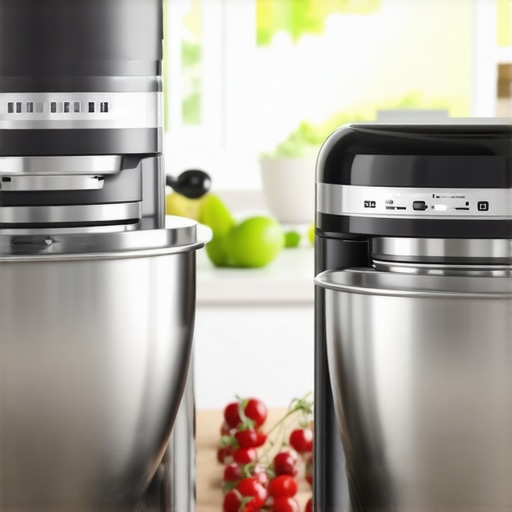
I remember the first time I tried to bake a batch of cookies with my old, rattling hand mixer. It struggled, sputtered, and finally gave out midway through mixing. That frustrating moment was a lightbulb for me. I realized that choosing the right mixer isn’t just about fancy features; it’s about matching your baking needs and avoiding costly mistakes. If you’ve ever felt overwhelmed trying to decide between a hand mixer and a stand mixer, you’re not alone. I’ve been there, and I want to help you skip the trial-and-error phase.
Why Picking the Right Mixer Matters for Baking Success
Trust me, the type of mixer you choose can make or break your baking adventures. A mixer that’s too weak can turn a simple batter into a frustrating chore, while an overly powerful machine might be unnecessary and take up space. Over the years, I’ve learned that understanding your baking style and the types of recipes you love is key. Whether you’re whipping up delicate meringues or kneading dense bread dough, selecting the right tool will save you time, effort, and a lot of kitchen mess.
Have you ever bought a mixer that couldn’t handle your favorite recipes?
I made that mistake early on. I bought a cheap hand mixer thinking it would be enough, only to find it struggled with thick cookie doughs and bread mixes. It was a costly lesson, and it pushed me to dig deeper into what makes a good baking mixer. That’s why I’ve put together this comprehensive guide to help you avoid the same pitfalls and make an informed choice. Curious about what features really matter? Check out this detailed guide for all the essentials.
In the sections ahead, we’ll explore the benefits and limitations of both hand and stand mixers. We’ll look at common mistakes to avoid and help you decide which type aligns best with your baking habits. Ready to transform your kitchen experience? Let’s dive in and find the perfect match for your baking style!
,
Select the Right Mixer for Your Baking Needs
Start by evaluating the types of recipes you most often bake. Are you whipping delicate meringues or kneading dense bread dough? This decision shapes whether a hand mixer or a stand mixer is more suitable. I remember a time I tried to make bread with my small hand mixer, and it struggled terribly. That experience pushed me to choose a stand mixer with more power, which made kneading effortless and consistent.
Assess Your Baking Volume and Frequency
Next, consider how often and how much you bake. If you bake once a month or make small batches, a hand mixer might suffice. For frequent baking or larger quantities, investing in a stand mixer pays off. I once tried to save money by buying a cheap hand mixer, but after a few batches, I realized it couldn’t handle my expanding baking projects. That was a clear sign to upgrade to a more robust appliance. For detailed insights, check this comprehensive guide.
Match Power and Speed Settings to Your Recipes
Understanding the power and speed options helps you control mixing precision. Stand mixers often feature multiple speed settings, allowing gradual incorporation of ingredients, which is essential for recipes like sponge cakes or whipped creams. I remember making a fluffy mousse; I used my stand mixer’s slow start to avoid splattering, then ramped up to high speed to achieve perfect peaks. Micro-story: I once rushed a whipped cream, overfilled my hand mixer, and ended up cleaning whipped cream splatters on the ceiling — a messy lesson in using the right tool for the job. For more on this, visit this detailed comparison.
Consider Attachments and Versatility
Attachments expand the functionality of your mixer. Whisk attachments are perfect for airy batters, while dough hooks handle bread and pizza dough. When I upgraded my mixer, I looked for models with versatile attachments, making my kitchen more efficient. For instance, I now easily switch between beating eggs and kneading dough without changing devices. This saves time and reduces clutter. To find the best options, explore this expert guide.
Balance Budget and Quality
Finally, set a realistic budget based on your baking style. Cheaper mixers may save money upfront but often lack durability and power. I learned this the hard way when my budget hand mixer burned out after a few months. Investing in a reputable brand with good reviews ensures longevity and better performance. Remember, a reliable mixer is an investment in your baking success. For recommended models, check this buying guide.
Many home bakers fall into common traps when selecting their mixer, often based on misconceptions that can hinder their baking progress. Let’s dig deeper into these nuances and clarify what really matters—beyond the hype and myths.
Are More Speed Settings Always Better?
It’s a widespread belief that having numerous speed options makes a mixer more versatile. However, in my experience, a handful of well-designed, reliable speeds outperform a multitude of confusing settings. Excessive speed options can sometimes lead to indecision or allow for overly aggressive mixing, which might damage delicate batters. Instead, focus on models with a few, precisely calibrated speeds that match your typical recipes. This nuance is often overlooked by beginners who assume more options equate to better performance. For detailed insights, check this comprehensive guide.
What’s the Hidden Danger of Overestimating Power?
Many think that a more powerful motor means better baking outcomes. While power is important, overestimating its necessity can lead to choosing an unnecessarily expensive or bulky machine. An overly powerful mixer can even whip ingredients too aggressively or cause splattering if not used carefully. The key is matching the motor wattage to your typical recipes. For example, if you mostly bake light cakes or whip cream, a moderate wattage unit suffices. For dense bread doughs, higher wattage is beneficial, but beware of models that promise too much without real performance benefits. You can explore this further in this expert comparison.
Why Attachments Matter More Than You Think
Attachments are often seen as optional extras, but they significantly expand your mixer’s capabilities. Many overlook the importance of high-quality dough hooks or whisks, which can impact your baking results. Using cheap or incompatible attachments can lead to uneven mixing or motor strain. Investing in a model with versatile, durable attachments ensures your mixer adapts to various recipes and lasts longer. For a deep dive into attachment selection, see this detailed guide.
Have you ever fallen into this trap? Let me know in the comments. Remember, choosing the right mixer isn’t just about specs; it’s about understanding your baking style and matching it with the right features. Keep these nuances in mind to make a smarter, more satisfying choice that elevates your baking game.
Maintaining your baking mixer is essential for ensuring consistent performance and extending its lifespan. From regular cleaning routines to choosing the right accessories, small habits can make a big difference. As someone who has experimented with various tools over the years, I can confidently say that proper care saves you money and frustration in the long run. In this article, I’ll share specific strategies and tools I rely on to keep my mixers running smoothly, along with insights into future trends that might influence maintenance practices.
How do I keep my mixer working smoothly over time?
Start by cleaning your mixer thoroughly after each use. For stand mixers, I recommend removing the attachments and wiping down the motor housing with a damp cloth. Avoid using harsh chemicals that can damage seals or the internal components. Regularly check the power cord for wear and tear; replace it if you notice any damage. When it comes to attachments, I prefer high-quality, dishwasher-safe options that retain their shape and functionality after multiple washes. This not only ensures hygiene but also prevents corrosion and buildup that can impair performance.
Lubrication is another critical aspect. For models with removable gears or shafts, applying a small amount of food-safe lubricant every few months keeps everything moving freely. I use specialized lubricants recommended for kitchen appliances, which are designed to withstand frequent washing and food contact.
Tools I recommend for long-term maintenance
One tool I swear by is a soft-bristled brush. It’s perfect for cleaning tight spaces around the attachments and motor vents. Additionally, a silicone spatula helps remove stubborn dough residues from the mixing bowl without scratching surfaces. For more detailed cleaning, I use a small vacuum with a brush attachment to clear dust from motor vents—this prevents overheating and maintains efficiency. Investing in a high-quality set of replacement brushes and seals from the manufacturer can prevent costly repairs down the line. For detailed guidance, check out expert tips on selecting maintenance accessories.
Future trends in mixer maintenance
Looking ahead, I believe smart technology will play a bigger role in appliance upkeep. Imagine mixers equipped with sensors that monitor motor health and alert you when maintenance is needed. As IoT devices become more affordable, integrating these features into home appliances could revolutionize how we care for our tools. Additionally, eco-friendly lubricants and biodegradable cleaning agents are gaining popularity, aligning with broader sustainability goals. Staying ahead means embracing these innovations early, ensuring your mixer remains reliable for years to come.
To maximize your mixer’s lifespan, I encourage you to try the tip of regularly inspecting and lubricating moving parts. It’s a simple step that pays off in improved performance and fewer breakdowns. Remember, a well-maintained mixer is the backbone of successful baking—so give yours the care it deserves and enjoy consistently delicious results!
The Hardest Lesson I Learned About Mixing Power
One of my biggest mistakes was assuming that more power always meant better results. I bought a high-wattage stand mixer for my dense bread recipes but found it overkill for delicate whipped cream. The lesson? Match the mixer’s power to your specific baking needs. Overestimating can lead to unnecessary expense and clutter, while underestimating can make baking frustrating. It’s crucial to understand what your typical recipes demand, which is why I recommend reading this detailed guide.
My Eye-Opening Experience with Attachments
I used to think attachments were optional extras, but investing in quality tools like dough hooks and whisks transformed my baking. They expand your mixer’s versatility and ensure better results. Cheap attachments can cause uneven mixing or motor strain, so I only trust models with durable, versatile attachments. For insights on selecting the right ones, check this guide.
Why I Wish I Knew the Value of Proper Maintenance
Maintaining my mixer regularly has extended its lifespan significantly. Simple habits like cleaning after each use, inspecting cords, and lubricating moving parts prevent breakdowns. I also use specific tools like soft brushes and food-safe lubricants, which I trust from personal experience. Embracing future trends like smart sensors and eco-friendly lubricants excites me, promising even more reliable tools ahead. To keep your mixer performing at its best, consider these tips from this resource.
Your Turn to Try Baking with the Right Mixer
Choosing the right baking mixer is more than just specs; it’s about understanding your baking style and needs. With the right tool, your kitchen adventures become more enjoyable and successful. Don’t hesitate to upgrade or maintain your equipment—your baked goods will thank you! What’s the one recipe you’ve struggled with most that a better mixer could have helped? Let me know below.

Reading this post really resonated with me, especially the part about matching your mixer to your specific baking needs. I once bought a powerful stand mixer thinking it would be versatile enough for everything, only to find it overkill for simple tasks like whipping cream. It’s a reminder that more power isn’t always better—sometimes, the right speed options and attachments are more important. I’ve also experienced how investing in good quality attachments, like a sturdy dough hook, transformed my baking results and saved me time. Have others found that upgrading specific parts, like attachments or lubricants, makes a noticeable difference in performance? I’d love to hear what upgrades or maintenance tips others swear by to keep their mixers running smoothly over time.