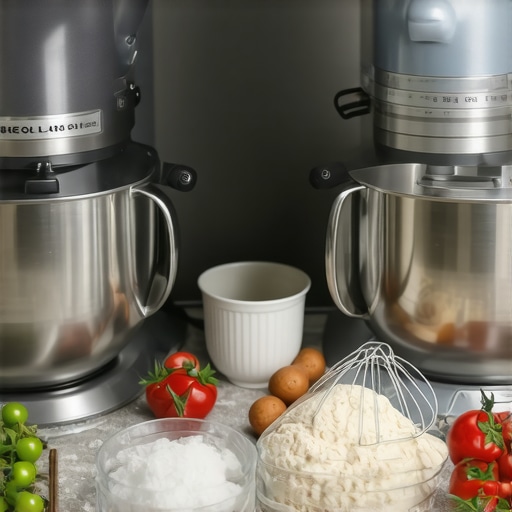
Imagine this: you’re in the middle of preparing a batch of bread dough or a fluffy meringue, and suddenly, your hand cramps up, or the mixer you’ve been using struggles to keep up. I remember the frustration vividly—baking is supposed to be fun, not a fight with unreliable equipment. That lightbulb moment made me realize how crucial the right mixer is, especially when tackling whisk attachments and dough tasks. Choosing the best baking mixer isn’t just about brand or style; it’s about understanding what each type can truly do for your kitchen. Today, I promise to help you cut through the confusion and find the perfect match for your baking needs, so you can enjoy smooth whisking and perfect dough every time.
What if your current mixer is holding you back—literally?Secure Your Mixer Properly
Place your stand mixer on a stable, flat surface and ensure it’s plugged in securely. This prevents wobbling or slipping during operation. I once set up my old mixer on a wobbly countertop, causing the bowl to shake violently—resulting in flour and batter flying everywhere. Always double-check your setup to keep things tidy and safe.
Choose the Right Attachment for the Job
Select the appropriate attachment—be it a whisk, dough hook, or beater—based on your task. Think of the attachment as your tool to unlock the full potential of your mixer. For example, I swapped the whisk for a dough hook when making bread, which significantly improved kneading efficiency and dough elasticity. If you’re unsure which attachment suits your recipe, check the recommended uses in this guide.
Use Correct Speed Settings
Operate your mixer at the recommended speed—starting slow to combine ingredients, then increasing gradually. Using high speed too early can cause ingredients to splatter or overmix, compromising your baked goods. I learned this the hard way when rushing through a meringue, which resulted in loss of volume. Always follow the recipe’s suggested speeds to ensure optimal mixing without mess.
Monitor Mixing Duration
Avoid overmixing or undermixing your batter. Overmixing can lead to tough baked goods, especially with delicate doughs. I once overmixed cake batter, resulting in dense texture—I had to start over. Use a timer if needed, and pay attention to the texture. When batter looks just combined and smooth, it’s time to stop.
Incorporate Ingredients Gradually
Add ingredients in stages rather than all at once. This allows the mixer to blend components thoroughly, preventing clumping or uneven mixing. I remember pouring flour all at once into wet ingredients—clumps formed instantly, and I had to sift the mixture again. To prevent this, I now add the flour slowly while the mixer runs on low.
Maintain and Clean Your Equipment
Regularly clean attachments and the bowl to prevent buildup and ensure consistent performance. Use warm, soapy water and dry thoroughly. Neglecting cleaning led to residue affecting batter consistency in my early days. Keep your equipment in top shape; it’s the key to reliable results every time.
Understand Your Mixer’s Power and Capacity
Match your recipes to your mixer’s capabilities. A small hand mixer may struggle with heavy doughs, while a powerful stand mixer can handle multiple batches. I once tried kneading a large batch of bread dough with a compact hand mixer—it burned out after a few minutes. Reviewing specifications and choosing the right model avoids such setbacks. For detailed comparisons, visit this resource.
Leverage Appropriate Technique for Different Tasks
For fluffy cakes, use slow to medium speeds to gently incorporate air. For dense doughs, switch to higher speeds or kneading settings. My secret is to switch techniques mid-recipe based on the desired outcome. Watching how the dough or batter behaves helps determine when to change speed or attachment—much like a chef tuning their movement for perfect results.
Many home bakers and even some professionals fall prey to misconceptions about stand mixers, dough kneading, and whisk attachments. Let’s dig deeper into these nuances that can make or break your baking results. Contrary to popular belief, choosing the most powerful mixer isn’t always the best option for delicate tasks like whipping egg whites or light batters. In fact, too much power can lead to overmixing or deflation, especially with fragile ingredients. A common myth is that stand mixers are only for heavy doughs, but they excel at a wide range of textures when used with the right speed and attachments.
Beware of the trap of over-reliance on speed settings. While high speeds are tempting for quick results, they often cause splattering or incorporate too much air, resulting in dense or uneven baked goods. For delicate mixtures like meringues or soufflés, starting at low speed and gradually increasing is crucial—yet many underestimate this step. Moreover, many assume that all whisk attachments are interchangeable; in reality, the design matters greatly. Properly designed wire whisks provide uniform aeration, which is essential for perfect volume, while balloon whisks excel at incorporating air into batters.
From an expert perspective, the frequency and method of kneading dough matter more than simply hitting the highest setting. Over-kneading can develop gluten excessively, leading to tough bread, and under-kneading results in poor structure. The key lies in recognizing the dough’s readiness, not just timing or speed—this is where advanced techniques like windowpane testing come into play.
Interestingly, some bakers overlook the importance of ergonomics and equipment maintenance. A dirty or misaligned attachment can compromise performance and even cause damage. Regular cleaning and checks ensure consistent results. Also, understanding your mixer’s limitations, such as maximum load and the types of dough it can handle without strain, prevents burnout and prolongs device lifespan. For a comprehensive comparison of hand and stand mixers, which is suitable for your specific needs, explore this detailed guide.
As advanced bakers know, the subtle nuances in mixing techniques and equipment setup can dramatically alter outcomes. Recognize these pitfalls and approach your baking with a critical eye and precision. Have you ever fallen into this trap? Let me know in the comments.
How do I keep my baking equipment in top shape over time?
Investing in quality tools is just the first step; regular maintenance ensures they continue to function flawlessly. For my stand mixer, I swear by using microfiber cloths and gentle brushes to clean attachments after each use, preventing dough or batter buildup that can affect performance. Periodically, I apply a few drops of food-grade mineral oil to moving parts to keep everything smooth and prevent rust. Choosing the right tools for maintenance, like a dedicated brush set, makes the process easier and extends the lifespan of your equipment.
My go-to maintenance routine includes inspecting the power cord for any signs of wear, ensuring the attachment locks securely, and lubricating the gear mechanisms as recommended by the manufacturer’s guidelines. Staying proactive with these steps minimizes downtime and costly repairs. 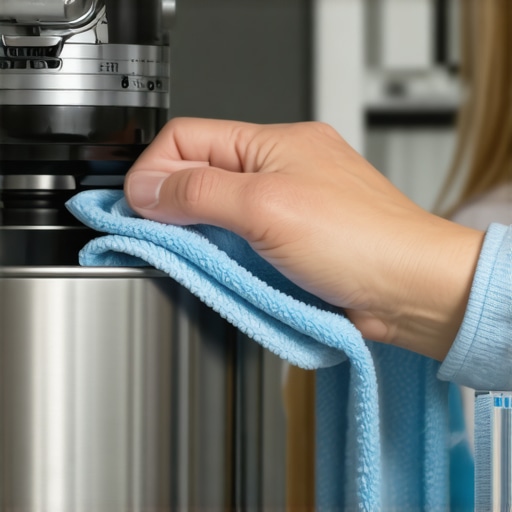
Which tools do I rely on for long-term results?
For long-term success, I recommend investing in high-quality silicone spatulas, flexible dough scrapers, and a digital kitchen scale. These tools not only improve efficiency but also deliver consistent results. For example, I batch-prepare doughs hours ahead, and using a precise digital scale ensures each batch weighs exactly the same, leading to uniform baking outcomes. Moreover, a good set of attachments like a durable whisk or dough hook, maintained properly, can last for years, saving you money over time.
Is it better to scale up or refine your toolkit for bigger projects?
Scaling your toolkit depends on your baking ambitions. If you’re venturing into larger batches or more complex recipes, upgrading to a professional-grade stand mixer can make a significant difference. Look for models with robust motors and versatile attachments that can handle higher loads without strain. Remember, the right maintenance complements these upgrades; regularly cleaning and lubricating new equipment ensures longevity and optimal performance. As my experience shows, combining high-quality tools with proactive upkeep results in consistent, delicious baked goods and a more enjoyable baking journey. For a detailed comparison, see this comprehensive guide.
Try implementing a monthly cleaning routine with a focus on lubricating gear mechanisms and inspecting electrical cords. Small, consistent efforts prevent big issues down the line. Don’t forget: using recommended tools for maintenance and cleaning is crucial—skip those, and even the best mixers will falter over time. Equip yourself with the right supplies today, and your baking adventures will thank you in the long run!
3 Lessons That Changed My Baking Game
One of the toughest realizations was understanding that more powerful isn’t always better—delicate ingredients like egg whites require gentle handling rather than brute force. I once tried to whip perfect meringue with a high-speed setting, only to end up with a deflated mess—lesson learned: patience and slow, steady speeds matter. Additionally, I discovered that frequent cleaning and maintenance of attachments drastically improved performance over time; neglect leads to inconsistent results and equipment failure. Lastly, I underestimated the importance of matching your mixer’s capacity to your recipes; overloading a small mixer can burn out motors and spoil batches. These insights saved me time, money, and countless baking frustrations, and I hope they do the same for you.
My Essential Tools for Baking Success
If you’re serious about baking, I recommend some trusted tools that have stood the test of time. First, a high-quality multi-purpose stand mixer with versatile attachments simplifies nearly every task. For precision, a durable digital kitchen scale ensures each batch is spot-on. To keep everything running smoothly, I swear by a set of maintenance brushes and food-grade lubricants—small but mighty investments. Finally, a variety of quality spatulas and scrapers help incorporate ingredients with care. These tools empower you to produce consistent, high-quality baked goods while making the process enjoyable and less stressful.
Bake Your Confidence Now
Remember, mastering baking with the right mixer is an ongoing journey—not a one-time purchase. Your commitment to learning and maintaining your equipment will directly impact your results. Don’t be afraid to experiment with speed, attachments, and techniques—every mistake is a step closer to perfection. Embrace the process, stay curious, and enjoy the sweet rewards of your efforts. Whether you’re just starting or refining your skills, now is the perfect moment to deepen your understanding and elevate your baking game. Ready to turn your kitchen into a bakery-quality haven? Keep experimenting, and let your passion guide you toward flawless baking every time.

Leave a Reply