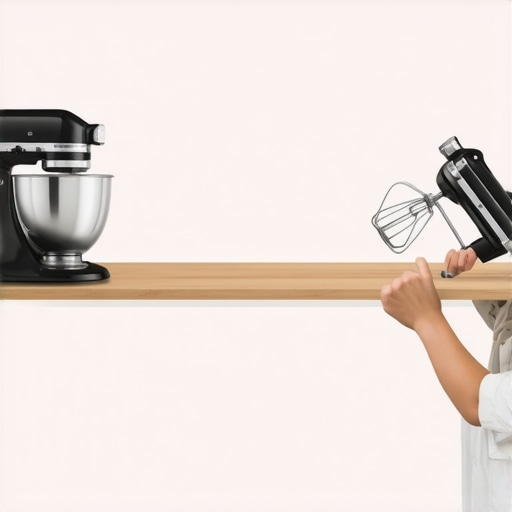
I vividly remember the moment I thought my hand mixer was enough—until it stopped working when I was halfway through whipping up a batch of fluffy meringue. Frustration bubbled up as I realized I’d underestimated the importance of having the right mixer for the job. That lightbulb moment hit hard: selecting the wrong appliance can turn baking from a joy into a chore. If you’ve ever struggled with inadequate power or inconsistent results, you’re not alone. Today, I’ll guide you through the essential tips to choose the perfect mixer — whether a sturdy stand model or a nimble hand appliance — so you can avoid my early mistakes and get baking with confidence.
Finding the Right Mixer for Your Baking Goals
Is a High-Quality Mixer Worth the Investment?
Many beginners overlook how much a reliable mixer can impact their baking success. Early on, I bought the cheapest hand mixer I could find, thinking I was saving money. But I quickly learned that cheap models often lack the power and durability needed for things like kneading dough or whipping stiff peaks. I also made the mistake of assuming that all mixers are created equal — a misconception I found out the hard way. That’s why understanding the differences and knowing what to look for is crucial. If you’re questioning whether a stand mixer is worth splurging on or if a hand mixer will suffice, remember this: investing in quality pays off by making your baking tasks easier, faster, and more consistent. For a detailed comparison, check out this comprehensive guide which dives into whether a stand mixer or hand mixer better supports your baking needs.
Choose the Right Attachments for Your Tasks
Start with identifying what functions you need from your mixer. For whipping air into egg whites or cream, a balloon whisk attachment is essential. For kneading dough, a dough hook works best. Recognizing these functions is crucial; I once attempted to use the wire whip for bread dough, leading to strain and slow mixing, which taught me the importance of matching attachments to tasks. Visit this guide to choosing the right attachments for detailed comparisons.
Ensure Compatibility Before Buying
Not all attachments fit every mixer model. Check your appliance’s specifications before purchasing additional parts. I made the mistake of buying universal attachments that didn’t lock securely, resulting in wobbling and uneven mixing. Confirm compatibility by reading your mixer’s manual or manufacturer website; this step saves time and money. For a comprehensive comparison on attachment compatibility, consult this compatibility guide.
Optimize Your Mixing Techniques
Proper technique amplifies your mixer’s effectiveness. When whipping egg whites, start at a low speed to distribute air, then increase gradually to prevent splattering. For kneading, let the mixer run for about 8-10 minutes, periodically checking dough texture. I once overmixed pasta dough with a stand mixer, making it tough—so I now pay close attention to mixing times and textures. Learn more about perfect kneading with this expert advice on technique.
Adjust Speed and Power Settings
Start slow to incorporate ingredients gently, then increase speed for aeration or tough mixing. For example, when preparing cake batter, begin at low speed to prevent flour from flying out, then speed up to achieve a smooth mixture. I once underestimated the need to adjust speeds, resulting in splattered flour all over my kitchen. Familiarize yourself with your mixer’s settings and their effects; read this speed guide for optimal results.Many home bakers believe that all whisk attachments are essentially interchangeable, but this is a common misconception that can lead to subpar results. The truth is, different whisk designs are optimized for specific tasks, and using the wrong one can hinder both efficiency and outcome, especially when dealing with delicate or stiff mixtures. For example, balloon whisks excel at incorporating air into egg whites or cream, but they may not be as effective for gently folding ingredients or mixing heavy batters. Understanding these nuances helps prevent common pitfalls.
One prevalent myth is that a hand mixer cannot handle tasks suited for a stand mixer, but this depends largely on the quality and power of the appliance, as well as the appropriate attachment use. Many underestimate the importance of attachment quality — cheaply made beaters or whisks can wobble or fail under strain, leading to uneven mixing or appliance damage. It’s crucial to select attachments designed for your specific model and task; some universal options may not offer the stability or efficiency needed for rigorous baking tasks. Check out this guide to choosing the right attachments for detailed insights.
A lesser-known but critical mistake is overestimating the capabilities of your mixer’s motor and undervaluing technique. For instance, pushing a mixer to run at high speeds for too long without pauses can cause overheating, wear on components, or even motor failure. Advanced users know that adjusting speed gradually and understanding the motor’s limits are vital; high-power stand mixers often include specific features to handle tough doughs without overheating, but mishandling can still cause issues. Recent studies indicate that proper technical operation not only prolongs mixer lifespan but also enhances baking quality (see this expert guide).
Behind the scenes, many bakers struggle with incompatibility issues when trying to upgrade attachments or switch between models. The misconception that all attachments are universal can lead to wobbling or inefficient mixing. Confirming compatibility is a step often overlooked; always double-check your mixer’s specifications before purchasing new attachments to avoid wobbly, uneven mixing, or even damage. For clarity, this compatibility guide offers detailed tips.
Let’s not forget the advanced aspect of mixing techniques — the importance of technique cannot be overstated. For example, starting at a low speed to prevent splattering when adding dry ingredients, gradually increasing the speed, and avoiding overmixing are key practices to achieve perfect results. Overmixing can toughen baked goods, especially bread or cake batter, as noted by culinary experts. Proper use of speed and technique ensures optimal gluten development in dough or delicate incorporation of air in whipped items. Learn more with this expert advice.
Finally, advanced users should consider the motor’s power and speed settings as tools for precision. Using the right speed at the right time — like starting slow for dry ingredients or fast for aerating batter — can be the difference between good and exceptional baked goods. Remember, the goal isn’t just raw power but the finesse of technique supported by your equipment. This speed guide offers valuable insights into harnessing your mixer’s capabilities.
Have you ever fallen into one of these traps or misconceptions? Let me know in the comments — sharing your experience can help others avoid similar mistakes and elevate their baking game.
Investing in quality baking tools is just the beginning; keeping your mixers and attachments in top condition ensures consistent results and extends their lifespan. Regular maintenance is essential, especially for stand mixers and their whisk or dough hook attachments. I personally dedicate a few minutes after each baking session to clean and inspect my equipment, which prevents buildup and potential mechanical issues. For stand mixers, applying a light lubricant to the moving parts every few months helps keep the gears turning smoothly. Remember, a well-maintained mixer not only performs better but also reduces the risk of sudden breakdowns during critical baking moments. When it comes to whisk attachments, rinsing immediately after use and occasionally soaking in warm, soapy water helps eliminate stubborn flour or batter residue. For long-term results, keeping your equipment in a dry, dust-free environment also makes a significant difference. Check the manufacturer’s instructions for specific maintenance routines; many models now include self-cleaning features or require specific oils for gear lubrication. Interestingly, regular care can also improve the motor’s efficiency, ensuring that your mixer delivers optimal power for tough doughs or delicate whipped items. Looking ahead, advancements in smart maintenance reminders are likely to help bakers track service intervals, further simplifying upkeep. One tool I highly recommend is a silicone scraper, which helps remove residual ingredients from attachments without scratching surfaces, ensuring longevity. How do I maintain my mixer over time? The key is routine cleaning, inspecting for wear, andLubricating moving parts—simple steps that prevent costly repairs and keep your baking consistent. For more detailed maintenance techniques, check out this comprehensive guide.
Reflecting on my baking journey, I realize how crucial proper equipment choices are—and how many lessons I wish I had learned earlier. Here are some insights that could save you time and frustration, based on my personal experiences and mistakes.
- Not all attachments are created equal. I used generic whisk attachments, expecting them to work just as well as premium ones, only to find they wobbled and didn’t incorporate air effectively. Investing in high-quality, model-specific attachments truly makes a difference in outcomes and durability.
- Speed control can make or break your results. I once jumped straight to high speed, which caused splattering and uneven mixing. Gradually adjusting speed, especially during delicate tasks like folding or whipping, yields much better results and preserves ingredients’ integrity.
- Compatibility is more important than I thought. Assumed universal attachments would fit anywhere, but I ended up with wobbling beaters and poor mixing. Always check your mixer’s specifications to ensure perfect pairing—it matters more than you might think.
- Power isn’t everything. A powerful motor is great, but understanding your mixer’s limits and using proper techniques prevent overheating and prolong the tool’s life. Skilled use of speed and attachments is what ultimately determines success.
My Essential Tools for Whisking and Dough
Over time, I curated a set of trusted tools that consistently deliver: the ultimate guide to choosing your perfect baking mixer was instrumental in helping me select reliable stand mixers, while high-quality attachments from trusted brands have made a noticeable difference in my baking efficiency. Also, books like Perfect Pastry and Dough by leading culinary experts have expanded my understanding of mixing techniques that truly sharpen your baking skills.
Your Turn to Create Magic in the Kitchen
Mastering whisk attachments and understanding your baking mixer is a rewarding challenge that transforms your kitchen experience. Equipped with the right knowledge and tools, you’re set to elevate your baking from good to extraordinary. So, what’s the first recipe you’re excited to perfect using your newfound insights? Share your plans or questions below—let’s learn and grow together in this baking adventure!

This post really resonated with me because I initially underestimated how much a good quality mixer can improve baking results. I used a basic hand mixer for years, only to realize it struggled with heavier doughs and stiff toppings. After switching to a stand mixer with the right attachments, my baking became much more consistent and less frustrating. One thing I’ve learned is that the speed settings are crucial — starting slow and gradually increasing makes a huge difference, especially when adding dry ingredients. I’ve also found that regularly maintaining my equipment, like cleaning attachments thoroughly, helps avoid mechanical issues. With so many different models and attachments out there, do you have suggestions for choosing durable, budget-friendly options without sacrificing quality? I’d love to hear about other bakers’ experiences with affordable yet reliable brands or tips for maintaining mixers long-term.
This post hits home for me, especially when it emphasizes the importance of choosing the right accessories and understanding your equipment’s capabilities. I recently upgraded from a basic hand mixer to a mid-range stand mixer and have noticed a huge improvement in my baking consistency. That said, budget-conscious bakers might feel overwhelmed by the sheer number of options available. In my experience, researching user reviews and sticking to reputable brands like KitchenAid or Cuisinart can be a good start without breaking the bank. Also, I found that regularly cleaning and inspecting attachments extends their lifespan and keeps the motor running smoothly. Has anyone found specific budget-friendly brands that balance durability and performance well? Sharing your experiences can help others make smarter choices when investing in their baking tools. Furthermore, I’d love to hear tips on how to better maintain these mixers over time—what routine has worked best for you in avoiding mechanical issues? These small steps seem so simple but make a significant difference.