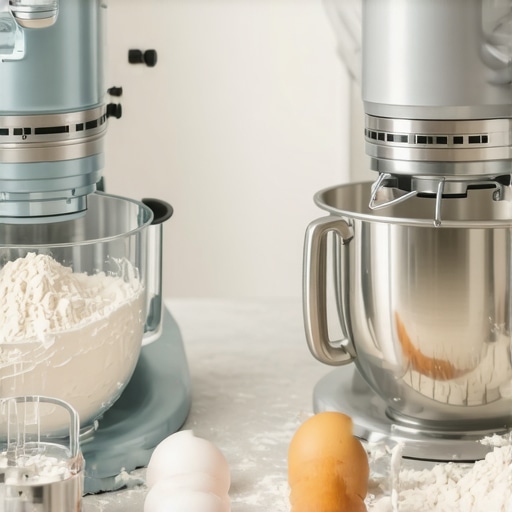
Ever had that moment in your kitchen when you’re elbow-deep in flour, trying to mix a stubborn dough, and your hand gets tired before the batter is even halfway blended? I remember the exact feeling—frustration creeping in as I wrestled with my old hand mixer, which struggled to handle thicker mixtures. It was a lightbulb moment for me: I needed to decide whether a stand mixer or a hand mixer was the right tool for my baking adventures.
Why Picking the Right Mixer Changes Your Baking Game
This decision isn’t just about convenience; it impacts your entire baking experience. From fluffy cakes to perfect bread dough, the right mixer can make or break your results. I’ve learned that choosing between a stand mixer and a hand mixer can be confusing—each has its perks, but also its pitfalls. And believe me, early on I made a mistake I won’t repeat: I bought a cheap hand mixer, thinking it would do the job, only to find myself frustrated with its limited power. That experience taught me that not all mixers are created equal, and that understanding your specific needs is essential.
Today, I want to help you avoid my rookie mistake by breaking down the differences and guiding you to the best choice for your baking style. Whether you’re a casual baker or a serious pastry chef, knowing which mixer suits your dough and batter tasks can save you money, time, and a lot of frustration. Curious to see which type fits your kitchen? Let’s dive in.
Is the hype around stand mixers really justified?
One common worry I hear from beginners is whether investing in a stand mixer is worth it, especially since they can be pricier. Early on, I hesitated because I thought a simple hand mixer would suffice. But I underestimated the power and versatility a good stand mixer offers, especially for kneading dough and handling large batches. According to a recent study, stand mixers can significantly reduce mixing time and improve consistency in baked goods (source). That’s a game-changer for anyone serious about baking quality bread or multiple batches of cookies.
If you’ve ever struggled with uneven mixing or hand fatigue, then you know how much a better tool can elevate your baking. But don’t worry—there are options for every budget and baking level. Ready to figure out which one is right for you? Let’s explore the key differences and find your perfect match.
Match Your Mixer to Your Baking Style
Before diving into specific steps, assess what types of baked goods you most often prepare. Are you frequently kneading bread dough or whipping light meringues? Recognizing your primary baking tasks helps determine whether a stand mixer or a hand mixer is more suitable. I remember a time when I was preparing a large batch of bread, and my old hand mixer simply couldn’t handle the dense dough. That experience made me realize the importance of choosing the right tool for heavy-duty tasks. For detailed comparisons, check out this guide.
Evaluate Power and Capacity Needs
Power is crucial when mixing thick doughs or large batches. A stand mixer typically offers higher wattage and larger bowls, making it ideal for heavy-duty baking. For instance, I once attempted to knead a 5-pound loaf of bread dough with a basic hand mixer, which resulted in motor burnout and a messy kitchen. To avoid that, invest in a stand mixer with at least 300 watts of power if you regularly work with dense doughs. For lighter tasks like whipping cream or mixing cake batter, a hand mixer may suffice. Learn more about this comparison at this detailed article.
Check Attachments and Versatility
Attachments expand your mixer’s capabilities. A stand mixer often comes with multiple attachments—pizza dough hooks, whisks, paddles—that can handle various kitchen tasks. I found that having a whisk attachment made all the difference when preparing fluffy meringues, which I previously struggled with using my old hand mixer. For versatility, look into options like this comprehensive guide that compares attachment options.
Assess Storage and Space Constraints
Stand mixers are larger and require dedicated storage space, while hand mixers are more portable. If your kitchen is tight on space, a high-quality hand mixer can be a practical choice. I once kept my hand mixer in a drawer, which was convenient for quick jobs but limited when I needed to knead large doughs. Consider your kitchen’s layout and storage options before making a decision. For insights on space optimization, see this resource.
Factor in Budget and Long-Term Investment
While stand mixers are more expensive upfront, they often last longer and handle tougher tasks efficiently. I initially bought a budget hand mixer, but it failed to meet my needs over time. Investing in a reliable stand mixer paid off in the long run, especially for frequent baking. If you’re a casual baker, a good hand mixer can be sufficient, but for regular baking or professional use, a stand mixer is worth the investment. Review options at this comparison.
Many home bakers fall into traps of misconceptions that can hinder their progress and lead to costly mistakes. Let’s dig deeper into some of these often misunderstood aspects of choosing and using kitchen mixers, so you can avoid the pitfalls and elevate your baking game.
Is Bigger Always Better When It Comes to Power?
One widespread myth is that a more powerful mixer will always outperform a less powerful one. While wattage matters, it isn’t the sole indicator of performance. For instance, a stand mixer with 300 watts can handle dense bread dough just as effectively as one with 600 watts, provided it has good gear transmission and quality attachments. Overestimating power can lead to unnecessary expense, and underestimating it can cause motor burnout. According to this detailed comparison, the key is matching power to your typical baking tasks rather than chasing the highest wattage.
Many Think Attachments Are a Luxury, Not a Necessity
Some believe that basic beaters and whisks are enough and that extra attachments are just fancy add-ons. But the truth is, the right attachments can streamline your workflow significantly. For example, using a dough hook with your stand mixer simplifies bread making, saving time and effort. Not all attachments are created equal, and investing in versatile tools can make a real difference. For a detailed look, see this guide.
Advanced Question: Can a Hand Mixer Ever Replace a Stand Mixer for Heavy-Duty Tasks?
This is a common debate among experienced bakers. While a high-quality hand mixer can handle light to moderate tasks like whipping cream or mixing cake batter, it generally can’t replace a stand mixer for dense doughs or large batches. The reason is simple: hand mixers lack the torque and stability needed for heavy kneading. According to this expert analysis, attempting to use a hand mixer for heavy dough can lead to motor burnout and uneven mixing. If you frequently bake bread or large quantities, investing in a stand mixer is the smarter choice.
Have you ever fallen into this trap? Let me know in the comments. Remember, understanding these nuances helps you make smarter choices and get better results in your baking adventures.
How do I keep my mixer functioning flawlessly over time?
Keeping your baking tools in top shape requires more than just regular cleaning. For my stand mixer, I make it a point to inspect the beaters and attachments after each use, ensuring there’s no leftover batter that could cause corrosion or buildup. A quick wipe with a damp cloth and a light oiling of moving parts every few months helps prevent rust and keeps everything turning smoothly. Additionally, I regularly check the power cord and switches for any signs of wear, replacing them promptly if needed. For detailed maintenance routines, I recommend reading this comprehensive guide.
Another tip I swear by is to periodically remove the attachments and give them a thorough cleaning with warm, soapy water. This prevents batter and flour residues from hardening and affecting future performance. If you own a stand mixer with a motor, like I do, ensuring the motor vents are clear of dust and debris is crucial—clogged vents can lead to overheating and premature failure. Using compressed air to blow out these vents is a simple yet effective maintenance step. Over time, a well-maintained mixer will not only last longer but will also deliver consistent results, making your baking sessions more enjoyable.
What tools do I recommend for regular upkeep?
For my routine maintenance, I rely on a few specific tools. A soft microfiber cloth is perfect for wiping down surfaces without scratching. I also keep a small brush, like a toothbrush, handy for cleaning tight spaces around the attachments and motor vents. For oiling moving parts, I use a food-grade lubricant, which I apply sparingly to avoid excess grease. My go-to cleaning solution is warm water mixed with a little bit of dish soap, which effectively cuts through grease and batter residues. When it’s time to replace worn-out parts, I prefer to buy original manufacturer replacements to ensure compatibility and longevity. These small tools and routine checks go a long way in ensuring your mixer remains reliable for years of baking.
Looking ahead, I believe the future of mixer maintenance will involve smarter, self-diagnosing appliances. Imagine a stand mixer that alerts you when its gears need lubrication or when a belt is wearing out, much like modern cars. This trend will make maintenance even easier and extend the lifespan of your equipment. In the meantime, adopting a regular maintenance schedule using the tools I’ve mentioned will keep your mixer working like new. Don’t forget to try some of these advanced tips—your future self will thank you for the trouble-free baking experience!
The Hardest Lesson I Learned About Mixing Tools
One of my biggest lightbulb moments came when I realized that my choice of mixer directly affected my baking results. I initially believed that any mixer would do, but I quickly learned that a stand mixer’s power and versatility can transform your baking game, especially for heavier doughs. It took some trial and error, but I discovered that investing in quality, understanding my baking needs, and learning proper maintenance turned my kitchen into a professional-grade bakery.
Tools That Changed How I Bake
- KitchenAid Artisan Stand Mixer: Its durability and range of attachments made kneading bread and whipping large batches effortless.
- Breville Hand Mixer: Compact and powerful, perfect for quick jobs like whipping cream or light batters, especially when storage space is limited.
- OXO Good Grips Beater Set: Reliable and easy to clean, these attachments fit many mixers and have been a game-changer for me.
- Guide to Mixer Maintenance: Regular cleaning and inspection routines keep my machines performing at their best, avoiding costly repairs and downtime.
Believe in Your Baking Journey
Choosing the right mixer isn’t just about buying a new gadget; it’s about empowering yourself to create confidently and consistently. Whether you’re a casual baker or a professional, your preferred tools can inspire your best work. Don’t be afraid to experiment and invest in what truly fits your baking style. Remember, every great baker started with a single step—and that step often begins with the right mixer.
What’s been your biggest challenge with choosing or using a kitchen mixer? Share your story below and let’s learn together!

Leave a Reply