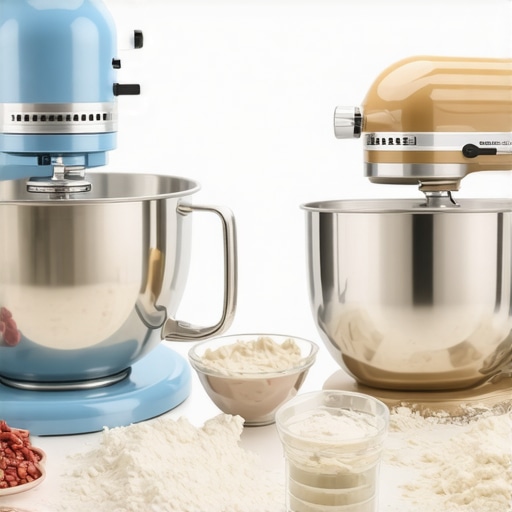
My Journey into Baking: Choosing Between a Stand Mixer and a Hand Mixer
Let me take you back to the first time I decided to upgrade my baking game. I was overwhelmed by the plethora of kitchen gadgets, but the decision between a stand mixer vs hand mixer was particularly daunting. As someone passionate about baking, I wanted a tool that would help me create perfect dough and fluffy batters without sacrificing space or budget.
My Personal Experience with Stand Mixers and Hand Mixers
Initially, I started with a simple hand mixer, which was portable and easy to store. I loved how quick it was to whip up a batch of pancake batter or beat eggs for a quick omelet. However, I soon realized that for extensive baking projects, like kneading bread dough or mixing large batches of cookie dough, a hand mixer often felt inadequate. It would tire my arm, and the results weren’t always as consistent as I wanted.
Then, I decided to invest in a stand mixer. The difference was night and day. My doughs turned out more uniform, and I could focus on other aspects of baking while the mixer did the heavy lifting. As I learned more about different attachments and their capabilities, my baking became more efficient and enjoyable. According to a comprehensive ultimate guide, the right mixer can significantly influence your baking success depending on your needs.
Which Is Better for Dough and Baking? My Honest Reflection
When I look back, I realize that the choice between a stand mixer vs hand mixer really depends on your baking style and frequency. For occasional baking or small recipes, a hand mixer is practical and cost-effective. But if you bake regularly, especially bread or large batches, a stand mixer becomes a game-changer. It’s more powerful, stable, and versatile, making it easier to handle doughs that require kneading and mixing for longer periods.
Can a hand mixer really handle tough doughs, or is it better to invest in a stand mixer?
This is a common question among home bakers. Honestly, for dense doughs like bread or pizza, a stand mixer with a dough hook is much more reliable. A dough mixer designed for this purpose can save you time and effort, and produce better results. If you’re serious about baking or making dough often, I’d recommend investing in a good stand mixer.
Thinking about your specific needs and how often you bake will help you make the best choice. Personally, I now keep both in my kitchen: a hand mixer for quick tasks and a stand mixer for my dough projects. I’d love to hear your experiences—do you prefer one over the other? Share your thoughts in the comments below or explore more about dough versus hand mixers.
Understanding the Power Dynamics: How Do Stand and Hand Mixers Differ in Performance?
While both mixers serve the fundamental purpose of blending ingredients, their performance nuances are quite distinct, especially when tackling complex recipes. A stand mixer typically boasts a more powerful motor and larger bowl capacity, allowing it to handle heavier doughs and larger batches effortlessly. In contrast, a hand mixer excels in quick, light tasks but may struggle with dense mixtures or prolonged kneading sessions.
Is There a Hidden Cost to Relying Solely on Hand Mixers?
Many home bakers underestimate the physical effort required when using a hand mixer for extended periods or tough doughs. Not only can this lead to arm fatigue, but it also introduces variability in mixing consistency. Moreover, frequent use of a hand mixer may cause wear and tear faster than anticipated, leading to replacement costs. For those serious about baking, investing in a dough mixer can be a game-changer, providing both durability and superior results.
How Do Attachments Expand the Capabilities of Your Mixer?
Modern stand mixers come with a variety of attachments—kneading hooks, whisk, paddle—that significantly enhance their versatility. These attachments enable more precise control and specialized functions, such as whipping cream or kneading bread dough. Interestingly, some attachments can even turn a stand mixer into a mini food processor or pasta maker, broadening its utility far beyond basic mixing. For frequent bakers or culinary enthusiasts, this adaptability justifies the higher initial investment.
What Are the Practical Implications for Your Baking Routine?
Choosing between a stand and a hand mixer hinges on your baking frequency, recipe complexity, and kitchen space. If you bake weekly, especially bread or large batches, a stand mixer is often worth the investment. Conversely, for occasional baking or small tasks, a hand mixer offers convenience and cost savings. Remember, the right tool can streamline your workflow, reduce fatigue, and improve your final product. To explore more about the differences, check out – https://mixers.kitchentechhq.com/the-ultimate-guide-to-choosing-between-stand-and-hand-mixers-for-baking-success.
If you’ve faced challenges or discovered clever hacks with either type of mixer, share your experiences below. Curious about how to optimize your current equipment? Don’t hesitate to ask or suggest further reading—your insights can help fellow bakers make smarter choices!
Beyond the Basics: Refining Your Mixing Technique with Experience and Intuition
As I delved deeper into my baking journey, I realized that mastering a stand mixer or hand mixer isn’t just about knowing their technical specs—it’s about developing an intuitive feel for how ingredients respond to different speeds, durations, and attachments. I remember experimenting with my stand mixer, initially following recipes strictly, but soon discovering that subtle adjustments—like slightly longer mixing times or lower speeds—could significantly enhance the texture of my bread or the fluffiness of my cakes. This nuanced understanding came only through experience and a willingness to observe how my ingredients behaved under different conditions.
The Power Dynamics and Their Impact on Artistic Baking
Thinking about the raw power of a stand mixer, I’ve come to appreciate how it enables a baker to push creative boundaries. For example, experimenting with complex, layered desserts or elaborate bread recipes demands a level of consistency and strength that only a robust machine can provide. I once attempted a multi-layered chiffon cake, where every element depended on precise, gentle folding. My hand mixer simply couldn’t maintain the delicate balance I needed, but my stand mixer handled it effortlessly, allowing me to focus on the artistry rather than the mechanics. This power differential isn’t just about efficiency—it’s about unlocking new creative possibilities that can elevate your baking from good to truly exceptional.
How Do You Develop a Personal Touch When Using Mechanical Tools?
One question I often pondered was how to maintain a personal touch—an artist’s intuition—while relying on powerful, sometimes impersonal, machines. The secret lies in understanding your equipment deeply and using it as an extension of your senses. For instance, I learned to listen to the sound of the mixer; a change in pitch might indicate overmixing or under-mixing. Feeling the resistance of the dough or batter through the paddle or hook also guides me to adjust my technique in real-time. This harmony between human judgment and mechanical aid is what transforms a routine task into a craft. If you’re interested in honing this skill, I recommend exploring resources like the ultimate guide, which offers insights on how to synchronize your intuition with your equipment’s capabilities.
Balancing Efficiency and Artistic Expression
While efficiency is a significant benefit of modern stand mixers, I’ve found that sometimes slowing down and embracing the manual process can lead to more expressive baking. For example, gently folding in delicate ingredients or manually whipping cream gives me a meditative moment, connecting me more deeply with my craft. The key is to strike a balance—using the machine to handle the heavy lifting when needed, but reserving manual techniques for those moments that require a personal touch. This approach allows me to leverage the strengths of both tools, creating baked goods that are both technically perfect and emotionally resonant.
If you’ve developed your own nuanced techniques or found creative ways to integrate your mixers into your baking art, I’d love to hear your stories. Sharing these insights can inspire others to see their tools not just as appliances but as partners in their culinary journey. Feel free to comment below or explore further with related articles like choosing the right dough mixer. Remember, mastering your tools is part of mastering your craft—so keep experimenting, observing, and refining your personal technique.
Harnessing the Power of Advanced Attachments for Precision Baking
As my experience deepened, I discovered that the true potential of a stand mixer lies in its specialized attachments. Beyond the basic paddle, whisk, and dough hook, there are increasingly sophisticated tools like pasta makers, meat grinders, and spiralizers. These attachments transform a humble mixer into a multi-functional culinary powerhouse, allowing precise control over textures and consistency. For instance, a high-quality pasta roller attachment enables me to craft fresh pasta, elevating my homemade dishes and impressing guests. This versatility not only streamlines my kitchen workflow but also sparks creativity, pushing me toward more complex recipes I once considered out of reach.
Optimizing Mixing Techniques through Sensory Feedback and Time Management
Mastery in baking extends beyond equipment—it’s about honing sensory awareness and timing. I’ve learned to listen intently to the sounds of my mixer; a change in pitch often signals overmixing, which can compromise delicate textures, especially in cakes and soufflés. Similarly, the resistance felt when kneading dough informs me when it’s reached optimal elasticity. This intuitive approach is complemented by meticulous time management—knowing when to stop, rest, or proceed based on ingredient responses. According to a detailed expert resource, these nuanced cues are critical for achieving bakery-quality results at home. Developing this sensitivity transforms baking from a mechanical task into an art form, where precision and intuition work hand in hand.
Can Advanced Mixers and Techniques Overcome the Limits of Manual Dexterity?
This question has haunted many passionate bakers. Certainly, a high-performance stand mixer can compensate for physical limitations, enabling consistent results and reducing fatigue. But I believe the real breakthrough lies in integrating advanced tools with refined techniques—such as gradual ingredient incorporation, variable speed control, and precise timing. These practices allow bakers to achieve consistency comparable to professional standards, even in intricate recipes like laminated doughs or tempering chocolates. Moreover, embracing technology doesn’t mean sacrificing artistry; rather, it offers a broader canvas for experimentation and mastery. I encourage readers to explore how combining sophisticated equipment with attentive craftsmanship can redefine their baking possibilities, transforming routine tasks into creative expressions.
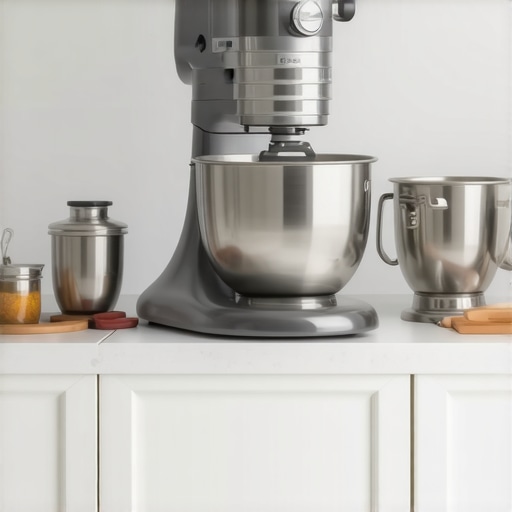
Imagine a sleek stand mixer with multiple attachments on a modern countertop, emphasizing the versatility of advanced baking tools.
Deepening Your Connection with Mechanical Aids and Culinary Intuition
While technology offers remarkable capabilities, I’ve come to appreciate that the most skilled bakers develop a symbiotic relationship with their equipment. This involves understanding the subtle nuances—like how the paddle’s resistance varies with different ingredients or how the whisk’s speed affects aeration. Developing this connection requires patience and experience, akin to an artist calibrating their brushstrokes. I often spend time observing and adjusting based on these tactile and auditory cues, transforming mechanical operation into a form of intuitive artistry. For those eager to refine this skill, I recommend immersive practice combined with reflective observation, drawing inspiration from culinary mentors and authoritative guides. Such integration of technique and intuition elevates baking from mere routine to a deeply personal craft, unlocking new levels of excellence and satisfaction.
Balancing the Art of Manual Precision with Mechanical Efficiency
In my journey, I’ve found that marrying manual techniques with mechanical efficiency yields the most rewarding results. For example, I might use my stand mixer to knead bread dough efficiently, then switch to manual folding techniques for delicate layers or intricate fillings. This balance preserves the tactile pleasure of baking—feeling the dough’s elasticity or gently folding in ingredients—while leveraging the reliability of modern machinery. This harmony fosters a mindful baking practice, where each step is an act of both science and art. If you’re interested in exploring this synergy further, I invite you to share your experiences or seek tailored advice. Remember, the path to mastery involves continuously refining your tools, techniques, and sensibilities, transforming everyday baking into a lifelong pursuit of excellence.
Things I Wish I Knew Earlier (or You Might Find Surprising)
The Hidden Power of Attachments
Early in my baking journey, I underestimated how much a good attachment could expand my creativity. It wasn’t until I tried a pasta maker attachment that I realized my stand mixer could do so much more than just mix batter—transforming my kitchen into a mini culinary workshop.
Patience Is a Virtue with Mechanical Aids
Sometimes, I rushed the process, thinking faster was better. But I learned that slowing down and paying close attention to the sounds and resistance of my mixer led to better textures and flavors, especially with delicate pastries and whipped creams.
Manual Touch Still Matters
No matter how advanced your equipment is, developing a feel for your ingredients—like knowing when dough is perfectly kneaded—remains essential. It’s a balance between technology and intuition that makes baking truly rewarding.
Choosing Your Gear Based on Lifestyle
My biggest surprise was realizing that the best tool depends on how often and what you bake. For me, owning both a stand and a hand mixer has optimized my workflow and kept my passion alive.
Cost vs. Value: Investing Wisely
It’s tempting to splurge on fancy gadgets, but I found that understanding your needs and starting with a reliable, versatile model offers the best bang for your buck, especially when you’re just starting out.
Resources I’ve Come to Trust Over Time
- America’s Test Kitchen: Their unbiased reviews and tested recipes have been invaluable in helping me choose the right equipment and improve my techniques.
- Serious Eats: The detailed guides and scientific approach to baking have deepened my understanding of ingredients and processes, making my baking more precise.
- King Arthur Baking: Their extensive tutorials and tips are perfect for home bakers looking to refine their skills and equipment choices.
- The Kitchn: Practical advice and real-world insights from passionate home cooks have inspired me to experiment more confidently.
Parting Thoughts from My Perspective
From my personal experience, choosing the right mixer isn’t just about specifications—it’s about understanding your baking style and needs. A stand mixer can unlock new creative possibilities for serious bakers, while a hand mixer offers convenience for quick tasks. Ultimately, the best approach is to see your tools as partners in your culinary craft, helping you refine your skills and express your creativity. If this resonated with you, I’d love to hear your thoughts or experiences. Share this with someone who’s exploring their baking tools, and let’s keep the conversation going. Remember, the journey to better baking is as much about enjoying the process as it is about the final product.

I really relate to the experience of starting with a hand mixer and then realizing its limitations for larger projects. I initially chose a hand mixer because of its convenience, but after attempting to make bread dough a few times, I quickly saw the need for something more powerful. Investing in a stand mixer transformed my baking routine. What I find interesting is how the right attachments can further expand its utility—I’ve recently started experimenting with pasta rollers, which opened up a whole new path in my cooking. I wonder how many home bakers have explored beyond basic mixing attachments and what creative uses they’ve found for them. Have you or others here integrated different attachments into your baking or cooking practices to maximize your equipment? Sharing ideas or hacks could really help everyone get more out of their tools.
Reading about the journey from a basic hand mixer to a more versatile stand mixer really resonates with my own experience. I started with a simple hand mixer for quick tasks and small batches, but soon realized its limitations when I tried to tackle bread dough or large cookie batches. Investing in a stand mixer was a game-changer, especially with the variety of attachments now available—like beaters, dough hooks, and even pasta rollers. I’ve even tried experimenting with the pasta maker for homemade ravioli, which turned out fantastic! It’s inspiring to see how these attachments can transform a single appliance into a multifunctional kitchen ally. Have any fellow home bakers tried customizing their stand mixers with less common attachments? I’d be curious to hear what creative solutions others have found to maximize their equipment’s potential. Finding new ways to extend functionality not only saves money but also boosts creativity and efficiency in the kitchen.
Your detailed experience really highlights the versatility and value that attachments bring to stand mixers. I started with just the basic paddle but eventually added a dough hook and a pasta roller, which completely transformed my kitchen routines. I found that experimenting with different attachments not only saves me money by reducing the need for multiple appliances but also sparks my creativity. I especially love how attaching a pasta maker allows me to make fresh fettuccine and ravioli, elevating simple meals into gourmet experiences. Have you ever used a spiralizer or a meat grinder attachment with your stand mixer? I’m curious about how those have expanded your culinary options. Also, I wonder if there are lesser-known attachments that have surprised you. Sharing your insights could inspire others to explore new dimensions of their stand mixers and make baking and cooking more fun and efficient. It’s exciting how versatile one device can be with the right attachments!
Reading about the balance between manual techniques and mechanical efficiency really resonates with me, especially since I’ve found that integrating both approaches enhances the final product. I recently started manually folding in ingredients after using my stand mixer for the initial blending, which I believe preserves the delicate airiness in my cakes. I’m curious, how do others find a harmony between these methods without losing consistency? Sometimes I wonder if manual adjustments can actually speed up the process by providing better control over the texture, or if it’s more about personal preference. Furthermore, developing that intuitive feel for dough and batter—listening to sounds or feeling resistance—has really improved my baking skills over time. Do you think advanced attachments or newer technologies could further refine that connection, or is it more about experience? Would love to hear everyone’s thoughts or tips on balancing craftsmanship with machine efficiency.
Reading through this post really made me reflect on my own baking evolution. I started with a basic hand mixer for convenience, but quickly realized its limitations once I tried making croissants and intricate pastries. The transition to a stand mixer, especially with a planetary gear system and multiple attachments, opened up a whole new world of possibilities. I’ve found that investing in quality attachments like a pasta roller or a meat grinder has allowed me to experiment with homemade charcuterie and fresh pasta, elevating my cooking significantly. What really stood out is how these tools enable precision and consistency—crucial for both baking and savory dishes. I’m curious, for those who’ve embraced these advanced attachments, which one surprised you the most in its utility? Additionally, do you think that further technological advancements, like smart mixers with digital controls, will replace manual skills or truly complement them? I’d love to hear your thoughts on balancing mechanized efficiency with the artistry of baking.