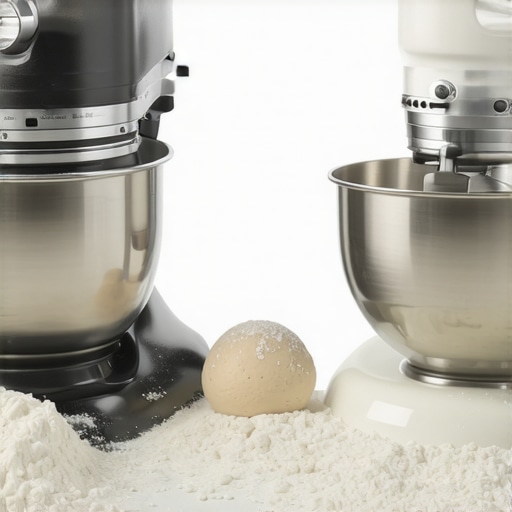
Have you ever stood in your kitchen, dough in hand, feeling like you’re trying to tame a wild beast? I remember those moments vividly—my hands aching, my patience wearing thin, and the dough still stubbornly refusing to cooperate. It hit me then: there’s got to be a better way to knead and mix without turning a simple baking task into an arm workout. That was my lightbulb moment, and since then, I’ve been on a quest to find the perfect mixer for my baking needs.
Why Choosing the Right Mixer Can Make or Break Your Baking Experience
Choosing between a hand mixer and a stand mixer isn’t just about convenience; it’s about achieving that perfect texture and consistency that turns good baked goods into great ones. When I first started baking, I underestimated how much the right equipment impacts the final product. A clunky hand mixer made me frustrated and resulted in uneven mixes, while a sturdy stand mixer transformed my baking game overnight. The difference was night and day, and I want you to experience that, too.
Many home bakers, myself included, initially think any mixer will do. But the truth is, your choice can save you hours of effort or cause your dough to turn out flat and dense. If you’re tired of wrestling with your ingredients or worried about overmixing, you’re in the right place. Today, we’ll explore which mixer suits your baking style, budget, and kitchen space, so you can make an informed decision that boosts your confidence and your baking results.
Is a fancy stand mixer worth the hype?
Early in my baking journey, I bought a cheap stand mixer, thinking I’d save money. Turns out, it struggled with heavy doughs, and I ended up hand-kneading anyway. That mistake taught me to research better options, like those discussed in this comprehensive guide. It’s easy to assume that more expensive always means better, but the right mixer depends on your baking style and needs.
Are you facing the same dilemma? Do you worry about whether a stand mixer is overkill or if a hand mixer can handle your thickest cookie dough? Keep reading—next, we’ll dig into the pros and cons of each, so you can confidently pick the right tool for your kitchen adventures.
Test Your Strengths with the Right Mixer
When I first tried making bread, I struggled with kneading by hand, which was exhausting and inconsistent. That experience made me realize the importance of selecting a mixer that matches my baking needs. To do this effectively, start by assessing the type of dough you’ll frequently work with. Light batters and whipped toppings are ideal for a hand mixer, while dense bread doughs demand the power and stability of a stand mixer.
Match Your Tasks to Your Equipment
For delicate tasks like whipping cream or mixing cake batters, a good-quality hand mixer offers agility and quick cleanup. However, when tackling heavy doughs, a stand mixer provides the power, stability, and capacity needed to get consistent results without fatigue.
Consider Your Kitchen Space and Budget
Space can be a limiting factor; if your kitchen counters are tight, a compact hand mixer might be your best bet. Conversely, if you have ample room and plan to bake often, investing in a durable stand mixer can be a game-changer. Budget-wise, remember that a quality stand mixer can be an investment, but it pays off in durability and performance. For guidance on selecting a model that balances price and quality, check out this comprehensive comparison.
Evaluate Attachments for Versatility
Attachments can significantly expand your mixer’s capabilities. For example, whisk attachments excel at whipping and aerating, while dough hooks are essential for bread and pizza doughs. If you’re interested in versatile equipment, learn more about attachment options here.
Test Before Committing
Before purchasing, try out different models if possible. Feel how the hand mixer balances in your hand or how stable the stand mixer feels on your countertop. My personal experience with testing a few models in-store helped me avoid buyer’s remorse and choose a mixer that felt right for my baking style.
Practical Tip: Do a Small Batch Test
Once you have a potential pick, do a trial run with a small batch. For instance, whip some cream or knead a small amount of dough. This practical test reveals how well the mixer handles real tasks and whether it’s comfortable to use over longer periods.
By carefully matching your baking tasks with the right equipment, you ensure smoother, more enjoyable baking sessions. Whether you opt for a hand mixer for quick jobs or a stand mixer for heavy-duty doughs, understanding their core strengths helps you make smarter choices and achieve bakery-quality results at home.
Many home bakers fall into the trap of believing that more expensive or feature-rich mixers automatically guarantee better results. This misconception can lead to costly purchases that don’t truly match your specific baking needs. Let’s dig deeper into what most people get wrong about choosing a kitchen mixer and how to avoid common pitfalls.
Why Bigger Isn’t Always Better for Your Mixer
It’s a common myth that opting for the most powerful or largest mixer on the market ensures superior performance. In reality, a high wattage motor isn’t necessarily essential unless you regularly work with heavy doughs like bread or pizza. For lighter tasks, such as whipping cream or mixing cake batter, a mid-range or even compact model may suffice, saving you money and counter space. Overestimating your needs often results in a bulky, underused appliance cluttering your kitchen.
Beware the Overhyped Attachments
Many believe that investing in a plethora of attachments will turn their mixer into a versatile, all-in-one device. While attachments can enhance functionality, they often have limited utility beyond specific tasks. For example, a dough hook is fantastic for bread but not necessary if you only bake cookies or cakes. Relying on accessories you rarely use can be a costly mistake. Instead, focus on the core attachments like whisks and dough hooks, which are most relevant to your baking style. For more insights on attachment versatility, check this guide.
Advanced Mistake: Ignoring Machine Compatibility and Capacity
One often overlooked nuance is ensuring your chosen mixer can handle your typical batch sizes. Novice bakers sometimes buy a small, lightweight model expecting it to handle large batches. This mismatch leads to overworking the motor, uneven mixing, or even damaging the device. Always match your mixer’s capacity with your usual recipes. For instance, if you bake large batches of bread regularly, a sturdy stand mixer with a 5-quart or bigger bowl is essential. For smaller, occasional baking, a hand mixer might be perfectly adequate. For expert advice on matching capacity with your baking volume, see this detailed comparison.
Have you ever fallen into this trap? Let me know in the comments. Avoiding these common misconceptions can save you money, space, and frustration. Remember, the right mixer for your needs is the one that balances power, capacity, and versatility without unnecessary extras that add to your clutter or budget. By understanding these nuances, you can make smarter purchasing decisions and elevate your baking game to professional levels.
Keeping your baking tools in top shape is essential for achieving consistent, professional-quality results in your kitchen. Over time, even the best mixers and accessories need proper maintenance to ensure they continue performing at their peak. In this section, I’ll share the specific methods and tools I personally rely on to keep my equipment running smoothly, along with insights into future trends that will make maintenance even easier.
How do I maintain my mixers over time?
My go-to maintenance routine starts with regular cleaning after each use. For stand mixers, I remove accessories like whisks, dough hooks, and bowls, then wash them with warm, soapy water. It’s crucial to dry everything thoroughly to prevent rust and corrosion. I use a soft cloth to wipe down the motor housing and control knobs, avoiding abrasive cleaners that could damage the finish. For internal components, I follow the manufacturer’s instructions—some models benefit from occasional lubrication of moving parts with a food-grade lubricant, which I apply sparingly using a small brush. This proactive approach prevents buildup and ensures smooth operation.
One tool I highly recommend is a dedicated cleaning brush set designed for kitchen appliances. These brushes can reach into tight spaces around gears and motor vents, removing dust and debris that accumulate over time. Additionally, applying a silicone-based lubricant on the gear mechanisms every few months keeps the moving parts working quietly and efficiently. For detailed guidance, I often consult this expert resource.
” alt=”A person cleaning a stand mixer with a soft cloth and brushes” title=”Cleaning and maintaining a stand mixer” />
Looking ahead, I believe the trend is shifting toward smart maintenance systems that can alert you when parts need servicing or lubrication. Some high-end mixers now come with digital diagnostics that monitor motor performance and notify you via an app. This integration of IoT technology will make routine maintenance more accessible and less guesswork. As these innovations become more affordable, even hobby bakers will be able to extend the lifespan of their equipment without hassle.
What’s the best way to troubleshoot common issues?
In my experience, troubleshooting starts with understanding the typical signs of wear or malfunction. Squeaky noises, uneven mixing, or motor overheating are red flags. When I encounter such issues, I first check for clogged vents or debris blocking airflow. If the mixer isn’t turning on, I verify that the power cord and outlet are functioning properly. For persistent problems, consulting the manufacturer’s troubleshooting guide or contacting customer support is often the best step. Staying proactive with simple checks can prevent minor issues from becoming costly repairs.
If you’re looking to maximize your equipment’s lifespan, I recommend scheduling regular inspections and cleanings, especially before and after heavy baking seasons. Incorporating these small habits into your routine can save you money and frustration in the long run. Remember, well-maintained tools not only last longer but also deliver the best results every time you bake.
Now, I encourage you to try implementing one of these maintenance tips—perhaps starting with a thorough cleaning and lubrication session. Your mixer will thank you with smoother operation, quieter performance, and a longer lifespan. Keep your equipment in excellent shape, and your baking will continue to impress!
The Hardest Lesson I Learned About Mixing Power and Precision
One of my biggest surprises was realizing that not all mixers are created equal, especially when I tried to tackle a batch of dense bread dough. I used a high-wattage stand mixer expecting it to handle everything effortlessly, only to find it struggling and overheating. That taught me that understanding your specific baking needs is crucial—more power isn’t always better, but the right power is essential for heavy-duty tasks. This was a turning point that made me dig deeper into what makes a mixer truly suitable for different recipes.
My Essential Toolkit for Better Baking Equipment Decisions
Over the years, I’ve come to rely on a few trusted resources that help me choose the best baking mixers. For example, this detailed comparison helped me understand the subtle differences between stand and hand mixers, so I can pick what fits my baking style. I also regularly check out comprehensive guides that keep me updated on the latest models and features, ensuring I make informed decisions that save both time and money.
Embrace the Future of Baking with Confidence
Choosing the right mixer is a step toward more enjoyable, less frustrating baking sessions. As technology advances, I’m excited about the upcoming smart mixers with diagnostic features that can alert you when maintenance is needed. These innovations will make keeping your equipment in top shape easier than ever, allowing you to focus on what truly matters—creating delicious baked goods. Now’s the perfect time to evaluate your current tools, upgrade wisely, and take your baking to new heights.
What’s your biggest challenge in selecting baking equipment? Share below and let’s learn from each other’s experiences!

Reading through this post really resonated with me, especially the part about matching your mixer to your baking needs. I vividly recall investing in a high-wattage stand mixer expecting it to handle all tasks with ease, only to find it overheating when I tried to knead dense bread dough. It was a real eye-opener, reinforcing that bigger isn’t always better unless you’re frequently working with heavy doughs. I appreciate the emphasis on understanding batch sizes and the utility of different attachments—those details can make or break your baking workflow. One thing I’ve learned over time is the importance of doing a small batch test before committing to a new mixer, to see how it performs with my typical recipes. Has anyone else found that practical testing really saves money and prevents buyer’s remorse? I’d love to hear about others’ experiences with testing or selecting the right kitchen tool—sharing tips like these can really make a difference in our baking journeys.
This post really highlights something I’ve experienced myself—the importance of matching the right type of mixer to your specific baking tasks. I used to think that more power meant I could handle anything, but I quickly learned that a heavy-duty stand mixer isn’t necessary for lighter tasks like whisking eggs or making pancake batter. It’s all about understanding your routines and investing in tools that truly fit those needs. I particularly resonated with the idea of doing small batch tests before buying a mixer because I’ve saved myself from costly mistakes that way. One thing I’d add is that noise level can also be a consideration—some powerful stand mixers can be quite loud, which might be bothersome if you’re in a shared space or early riser. How do others balance power, noise, and capacity when choosing their equipment? It would be great to hear more personal tips on making this decision smooth.
This post really resonated with me because I’ve experienced firsthand how the right mixer can really transform baking results. I used to think that having a powerful, high-wattage stand mixer was the key to success, but I found that it often struggled with heavy doughs and was unnecessarily bulky for lighter tasks. Exploring different options and understanding what I truly needed made a huge difference in my baking confidence. The tip about doing small batch tests before making a big purchase is so practical—I’ve saved myself from costly mistakes that way too. Regarding attachments, I’ve found that a good whisk and dough hook cover about 90% of my baking needs, so I never bother with the more exotic accessories that tend to be overhyped. How do others decide when a high-end model is worth the investment versus sticking with more budget-friendly options? I’d love to hear your experiences and tips for choosing a versatile, reliable mixer that suits different baking styles.
This article really hit home for me, especially the part about choosing a mixer based on the type of baking you do. I used to think a more powerful stand mixer was always better, but I quickly realized that for lighter tasks, a compact hand mixer is perfect and saves a lot of space. My biggest challenge was figuring out when to invest in a high-end model versus sticking with budget-friendly options. After some trial and error, I found that assessing my typical batch sizes and the kinds of dough I usually handle made all the difference. For example, I rarely make large bread batches, so a smaller, versatile stand mixer works just fine without taking up too much room. Has anyone else found that focusing on core attachments like whisks and dough hooks can really maximize a mixer’s utility without overpaying for unnecessary features? I’d love to hear tips on how to balance cost, capacity, and versatility in choosing the right equipment.