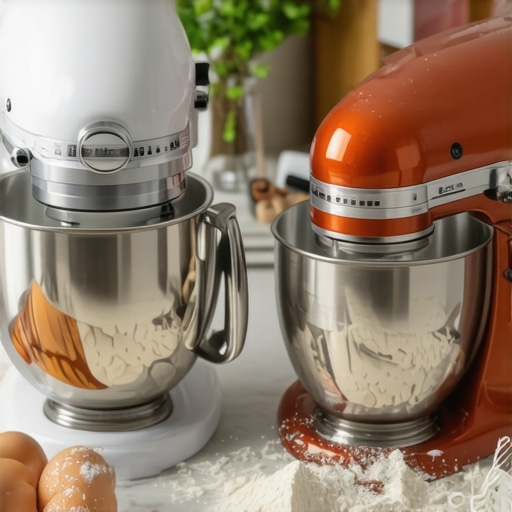
I remember the first time I tried making bread from scratch. Flour was flying everywhere, my arms were aching, and the dough just wouldn’t come together as smoothly as I hoped. That frustrating moment was my lightbulb—realizing that the choice of mixer could make or break my baking adventures. I’ve struggled with awkward hand mixers that churned out uneven results and wrestled with bulky stand mixers that felt more like a kitchen beast than a helpful tool.
Finding the Right Match for Your Baking Style
In 2024, with so many options vying for your attention, choosing between a stand mixer and a hand mixer can feel overwhelming. But don’t worry. By understanding your specific baking needs and what each type offers, you can bypass the disappointment and find your perfect match. I’ll walk you through the pros and cons, helping you make an informed decision.
Is the hype about stand mixers actually worth it?
Early in my baking journey, I made a costly mistake—I bought a flashy stand mixer without considering if I truly needed its power for small batches. It sat mostly unused because I underestimated how much space I had and how often I’d be making bread or hefty doughs. Afterward, I realized that understanding the difference between these two tools is crucial. Want expert advice? Check out this ultimate guide to making the right choice for your baking ambitions.
Now, if you’re like me—tired of guessing whether to stick with the trusty handheld device or invest in a robust stand mixer—you’re in the right place. We’ll look at how each option performs with dough, whisking, and mixing, ensuring you’re equipped to pick what truly suits your kitchen and baking style. Ready to dive in? Let’s explore the ins and outs of these two popular kitchen helpers so you can finally settle the debate and get back to what you love—baking delicious bread, cakes, and everything in between.
Set Up Your Equipment and Ingredients
Begin by gathering your ingredients and selecting the appropriate mixer. For dense doughs like bread, a stand mixer with a dough hook attachment provides stable power, while for lighter tasks, a hand mixer suffices. Measure your flour, water, yeast, salt, and any additional ingredients precisely. Place the bowl on a stable surface to prevent slipping, ensuring safety and ease of use.
Prepare the Mixer and Attachments
Attach the dough hook to your stand mixer or the beaters to your hand mixer. Choosing the right attachments is critical; for dough, a sturdy hook simulates kneading by stretching gluten strands. When using a stand mixer, ensure the attachment clicks firmly into place. For hand mixers, attach the beaters securely, and handle with care to prevent splattering.
Initiate Mixing and Adjust Speed
Start at a low speed to combine ingredients gently, avoiding flour clouds. Gradually increase to medium or low-medium speed for dough development. Think of this process like kneading by hand—initial gentle mixing helps hydrate the flour, reducing flour splatter and ensuring even distribution. During this phase, I once started too fast with a hand mixer; the flour puffed up, creating a mess. Slowing down prevented that mishap and gave me control.
Implement Folding and Additional Mixes
If your recipe calls for autolyse or resting periods, pause the mixer accordingly. For incorporating additional ingredients like seeds or herbs, reduce speed to low, then fold them in gently with a spatula or mixer until evenly distributed. This prevents tearing gluten structures and maintains dough integrity. Remember, overmixing can make dough tough; watch for a smooth, elastic consistency.
Check and Adjust Consistency
Stop the mixer and assess the dough’s feel. It should be tacky yet elastic, not sticky or dry. For sticky dough, sprinkle a little flour; for dry dough, add small amounts of water gradually. Using a stand mixer with a dough hook, knead for 5-10 minutes on a medium speed—think of it as manually kneading but much faster. On a hand mixer, knead on a low speed and periodically check the texture. I once overmixed with a stand mixer, making the dough too stiff; adjusting the water content afterward saved my batch.
The Final Kneading Technique
Once the dough pulls away from the sides of the bowl and forms a ball, it’s ready for proofing. For hand mixing, transfer the dough onto a floured surface and knead by hand for a few minutes to develop gluten further. For stand mixers, run the mixer at low speed for an extra 2-3 minutes. This step ensures a strong gluten network, essential for bread with good oven spring. Using the right mixer and technique results in a uniform, resilient dough that bakes evenly.
Clean Up and Prepare for Next Steps
After kneading, detach the attachments, clean them thoroughly, and cover the dough for rising. Proper cleanup prevents residue build-up that can affect future batches. By following these precise steps, you progress from ingredient to well-kneaded dough ready for fermentation, setting the stage for baking success.
Many home bakers fall into misconceptions when it comes to using mixers for dough preparation. One prevalent myth is that all stand mixers are created equal, but in reality, their motor strength and attachment compatibility significantly influence kneading quality. For instance, some believe that using high speeds during initial mixing always results in better dough, yetexpert advice suggests starting slow to prevent gluten rupture, which can weaken the dough’s structure. Misusing attachments is another common pitfall; attaching a whisk instead of a dough hook for kneading can lead to inconsistent results and damage to the mixer.
Why do some professional bakers prefer specific attachments or techniques over popular trends?
Professional bakers often challenge the hype by emphasizing proper technique tailored to the mixer’s capabilities. A study published in the Journal of Food Engineering highlights that optimal kneading not only depends on the attachment type but also on the timing and speed, which many amateurs overlook. They suggest that understanding the nuances—such as when to switch from mixing to folding or how to hydrate ingredients effectively—is crucial for achieving bakery-quality dough. Learning these advanced subtleties can be the difference between a loaf with good oven spring and a dense bread. Remember, simple tools can produce complex results when used with knowledge. For instance, choosing the right mixer and attachment matters, but mastering the technique is key. If you want to deepen your understanding, explore this ultimate guide to whisk attachments and dough tips.
Have you ever fallen into this trap? Let me know in the comments.
Investing in quality equipment is just the beginning; keeping your tools in top shape ensures they perform reliably over time. Regular maintenance of your mixers, whether it’s a versatile hand mixer or a robust stand mixer, is crucial for achieving consistent dough and batter. I personally dedicate a few minutes after each baking session to inspect and care for my gear, which significantly prolongs their lifespan and prevents unexpected breakdowns.
How do I maintain my mixers for long-term performance?
First, always disconnect your mixer from the power source before cleaning or inspecting. For stand mixers, remove attachments and clean them thoroughly with warm, soapy water, ensuring no residue affects performance. Wipe down the motor housing with a damp cloth to prevent dust buildup. Lubricate moving parts gently if recommended by the manufacturer, usually using food-safe lubricants. For hand mixers, check the cord and switch functionality periodically, and clean the attachments to prevent rust or buildup. Additionally, storing your mixers in a dry, dust-free environment preserves their internal components.
One expert tip is to occasionally run the mixer briefly without load to keep the motor brushes active and prevent them from degrading prematurely. This practice can prevent common motor issues and is recommended by appliance maintenance authorities. Understanding how to care for your mixer ensures it remains a reliable partner in your baking journey for years to come.
Another vital aspect is replacing worn-out attachments promptly. Using damaged or bent beaters or dough hooks can strain your motor and ruin your dough. Regularly inspect your accessories and replace them as needed—most manufacturers provide compatible parts that are easy to swap out.
Scaling Up Your Baking Aren’t Equipment Woes
As your baking ventures expand, so does the need for scalable tools. Upgrading to a higher-capacity stand mixer with sealed maintenance points can streamline your workflow and reduce downtime. Choosing models that are easily serviceable, with accessible belts and motor parts, simplifies maintenance as your output increases. It’s a trend that professional bakers are embracing as they scale recipes from home to small commercial levels, and it’s worth considering if your baking ambitions grow.
In the future, expect smart features that monitor performance and alert you to needed maintenance—these innovations promise to make tool upkeep almost effortless. Staying ahead in equipment care will make your baking more enjoyable and consistent, allowing you to focus on perfecting recipes rather than troubleshooting machinery.
So, try implementing a simple scheduled check and cleaning routine this week—your mixer will thank you with years of dependable performance. For more detailed maintenance strategies tailored to your specific equipment, explore our comprehensive guide on selecting and maintaining baking mixers.
Lessons That Changed My Dough Game Forever
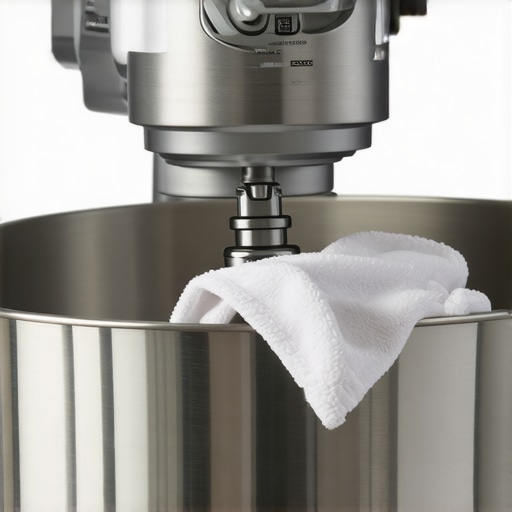
One of the biggest revelations was realizing that not all mixers are created equal—sometimes, it’s less about the brand and more about matching the tool to the task. I used to think that upgrading to a heavy-duty stand mixer would solve all my baking woes, but I learned that understanding when to use a hand mixer for quick tasks actually saved me time and space. The lightbulb moment came when I discovered the importance of technique over equipment—using a gentle touch and proper attachment placement made a massive difference in my results.
Another key insight was that speed isn’t always your friend. Starting slow and gradually increasing for bread kneading not only protected the gluten structure but also prevented that dreaded flour explosion everywhere. It’s a small adjustment that yields big results, teaching me to listen to my dough rather than rush through the process.
Tools That Elevated My Baking Sense
The ultimate guide on choosing the right mixer truly helped me pare down my options and invest wisely. I always recommend starting with versatile attachments, like sturdy dough hooks and beaters, which can transform your baking experience. For those seeking inspiration, books such as “The Art of Baking” by Anna Olson provide invaluable insights into technique that go hand-in-hand with having the right tools.
My go-to resources also include reviews on best stand vs. hand mixers. They’ve saved me from costly mistakes and guided me toward equipment that’s durable and efficient—essentials for any serious baker.
Stir Your Passion, Not Just the Batter
If you’re ready to elevate your baking, remember that the journey begins with curiosity and patience. Whether you’re mixing a simple batter or kneading the perfect loaf, understanding your equipment and technique turns baking from a chore into a craft. Now’s the moment to experiment, learn, and enjoy every step—after all, baking is about sharing love, one loaf at a time.
What’s the biggest lesson you’ve learned when choosing or using your mixer? Share your story below—I’d love to hear how your baking adventures are evolving!

Leave a Reply