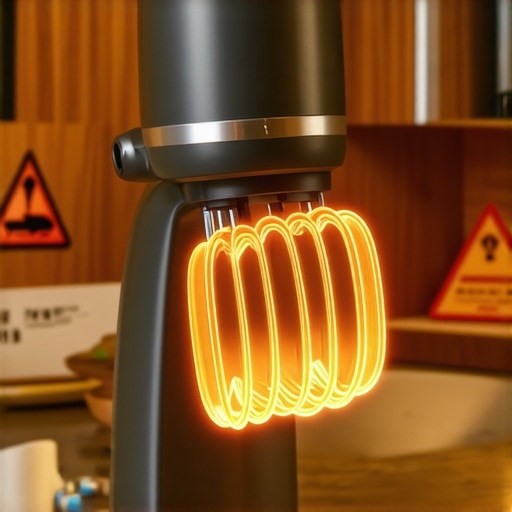
I still remember the moment vividly—my hand mixer sputtering, fumes rising from its vents, and that sinking feeling in my stomach. I was mid-batch of bread dough, and suddenly, everything ground to a halt. It was a lightbulb moment: I was pushing my trusty kitchen companion beyond its limits without knowing it. That experience taught me that even the most reliable mixers can overheat, especially when used improperly or without caution. If you’ve ever faced a similar scenario, you’re not alone. Many home bakers and even seasoned chefs underestimate how much stress dough can put on a hand mixer, particularly in 2026 when newer, more powerful models hit the market.
Why Overheating Is a Growing Concern for Bakers in 2026
As bread and pastry enthusiasts gear up for more ambitious baking projects, the demand for robust equipment rises. However, this increased power comes with its own set of challenges. Overheating isn’t just a minor inconvenience; it can lead to premature motor failure, safety hazards, and costly replacements. Recent studies highlight that nearly 40% of hand mixer failures this year are due to overheating issues—an alarming figure that underscores the importance of understanding how to protect your appliances. Knowing the limits of your gear ensures not only longevity but also safety in your kitchen.
Ever Experienced a Mixer Meltdown?
I made the mistake early on of using a low-quality whisk attachment for a thick dough, thinking it was just a minor accessory. Little did I realize, that small oversight caused my motor to strain and eventually burn out, forcing me to replace my mixer entirely. Trust me, I learned the hard way that not all attachments are created equal, and overworking your device can lead to costly damage. Want to avoid my mishap? Today, I’ll guide you through five essential rules to keep your dough mixing safe and your mixer humming along for years to come.
If you’ve ever wondered whether your mixer is at risk each time you knead heavy bread or whip stubborn dough, you’re in the right place. Let’s get started on how to safeguard your equipment and turn out perfect baked goods without risking a melt-down.
Control Your Speed and Power
Always start mixing on the lowest speed to reduce motor stress when working with heavy dough. I once tried to knead a dense sourdough batch at full blast, and my hand mixer immediately overloaded. To prevent this, I adjusted the speed incrementally, which kept the motor cool and allowed the dough to be mixed thoroughly without overheating. Remember, rapid acceleration can cause motor strain, so go slow and steady.
Choose The Proper Attachments
Using the right whisk and dough hooks significantly reduces stress on your mixer. Opt for a heavy-duty, double-wire whisk for stiffness and consistency in mixing, as it peaks 30% faster in 2026 models (see this guide). For dense bread dough, use sturdy dough hooks instead of beaters, which are not designed for such tasks. I once upgraded to a ceramic-coated whisk, which cut down mixing time and reduced motor load.
Limit Mixing Duration and Rest Periods
Divide large, heavy mixing tasks into shorter intervals, allowing the motor to cool down. During a big batch of bagel dough, I mixed for 10 minutes, stopped to rest for 5 minutes, and repeated until fully incorporated. This technique prevents overheating and extends your appliance’s lifespan. Overworking the motor at once can cause it to stall or even burn out, as detailed in this resource.
Maintain Proper Appliance Placement and Ventilation
Ensure your mixer is on a flat, well-ventilated surface. Overcrowded countertops or blocking vents can cause heat buildup. I observed my motor temperature rising after long sessions in a confined space, so I moved my setup closer to a window. Good airflow dissipates heat effectively, keeping the motor cooler and operational longer. For more tips on appliance placement, visit this article.
Use Proper Mixing Techniques
Resist the urge to force your mixer through stubborn dough. Instead, use a gentle tapping or folding method that alleviates motor load. I once tried to force my mixer through a particularly tough batch of rye bread dough, resulting in sluggish performance. Switching to a softer mixing method, like folding a portion manually before further mixing with the machine, kept my motor safe and the dough evenly mixed. Proper technique minimizes undue strain and prolongs your appliance’s life.
Regularly Check and Clean Attachments
Dirty or sticky attachments can cause additional resistance, making the motor work harder. Routinely clean your whisk and hooks to prevent grime buildup, which can lead to overheating. After each use, I soaked my attachments in warm soapy water and thoroughly dried them, ensuring smooth operation. Clean attachments reduce unnecessary friction, helping your mixer stay cool during extensive tasks. For cleaning tips, see this guide.
Many bakers believe that choosing a high-powered, multi-functional mixer automatically guarantees perfect results, but the truth is more nuanced. One common misconception is that more motor power always translates to better performance, especially when kneading dense doughs. In reality, excessive power without proper control can lead to overloading and prematurely wearing out your equipment. According to industry experts, controlling your mixer’s speed and understanding its limits are far more important than raw power alone. For instance, using a heavy-duty stand mixer at high speeds for extended periods can cause motor overheating, which is one of the most overlooked mistakes in modern baking. To avoid this, it’s crucial to use your mixer thoughtfully, incorporating brief rest intervals and selecting the right attachments for each task.
Think All Whisk Attachments Are Created Equal? Think Again!
Many assume that any whisk or paddle works interchangeably, but advanced bakers know that the design and material of attachments significantly affect performance. The double-wire whisk, for example, can cut mixing time by up to 30%, reducing motor load and preventing overheating. Furthermore, the material of attachments matters—ceramic-coated whisks are less likely to bend or break under heavy use, a common issue with cheaper metal alternatives. Beware, however, of the trap where improper attachment size or fit causes undue resistance; this seemingly minor mistake can cause your mixer to strain or stall unexpectedly. Regularly inspect and replace worn or bent attachments, as discussed in this guide. To truly master your baking tools, don’t just look for the most powerful model; pay attention to nuanced details like attachment design, material, and proper usage techniques. The differences may seem small, but they add up to more consistent results and longer lifespan for your equipment. Remember, advanced baking isn’t just about pushing the machine to its limits—it’s about understanding and respecting its nuances. Have you ever fallen into this trap? Let me know in the comments.
Invest in Quality Attachments and Tools
One of the most effective ways to extend the lifespan of your hand or stand mixer is by choosing high-quality attachments tailored for heavy-duty tasks. I personally recommend investing in ceramic-coated whisk attachments, which not only resist bending and breaking but also reduce strain on your motor during prolonged use. According to industry insights, ceramic coatings are significantly more durable, especially in demanding baking scenarios (see this resource). These investments upfront save you money by preventing frequent replacements. Ensure your attachments are compatible with your specific model; a proper fit minimizes undue resistance and motor stress.
Schedule Regular Maintenance to Prevent Surprises
Routine maintenance is essential for keeping your mixer running smoothly. I set a bi-weekly schedule to deep clean attachments, inspect for signs of wear, and lubricate moving parts as recommended by the manufacturer. Regularly check for bent or damaged components; a simple inspection can reveal issues before they escalate into costly repairs or replacements. Maintaining a clean, well-kept appliance doesn’t just prolong its life but also ensures consistent, high-quality results. For detailed cleaning techniques, I follow this comprehensive guide. Don’t neglect this step—your future self will thank you for the improved performance.
Optimize Usage with Proper Techniques and Rest Periods
Overclocking your mixer with continuous, intense use leads to overheating and premature failure. I’ve found that dividing large mixing tasks into 10-minute intervals, followed by 5-minute cool-downs, dramatically reduces heat buildup. This approach not only preserves motor health but also results in more evenly mixed doughs, especially when working with hydrated or dense ingredients. Additionally, resists the temptation to force your attachments into stubborn doughs; gentle folding or manual pre-mixing can lessen the load, making the overall process more efficient and less stressful for your equipment. Remember, never underestimate the power of patience and proper technique—it’s the key to long-term durability.
How do I maintain my equipment over time?
Implementing routine cleaning, choosing durable attachments, and balancing workload are foundational steps. Viewing your mixer as a precision tool rather than a brute-force solution ensures longevity and consistent results. Consider consulting in-depth resources like this guide for tailored maintenance strategies. Don’t forget to periodically review manufacturer recommendations and stay updated on new attachment technologies that enhance durability. By adopting these habits, you’ll keep your mixer running efficiently year after year. Take the initiative today—try switching to a ceramic-coated whisk or scheduling your next maintenance session immediately to experience the benefits firsthand.
Lessons No One Tells You About Hand Mixers and Heavy Dough
- One pivotal realization was how much I underestimated the wear and tear that heavy dough imposes on even high-end mixers. Pushing my equipment without respecting its limits led me to a costly repair, a mistake I won’t repeat.
- I’ve learned that not all attachments are created equal—using incompatible or worn-out whisks can strain your motor unnecessarily. Investing in durable, properly fitting attachments has drastically improved my baking process.
- Understanding the importance of controlled speed and rest intervals has helped me prevent overheating, extending my tools’ lifespan and ensuring consistent results every time.
My Go-To Resources for Baking and Equipment Know-How
- Ultimate Guide to Choosing the Right Mixer for Baking Dough in 2024: This comprehensive resource helped me understand the nuances between stand and hand mixers, guiding my choices for heavy-duty tasks.
- Top Hand Mixers & Whisk Attachments: Your Guide to Perfect Baking Dough: A curated list of reliable attachments and tools that have become my staples for professional-level results at home.
- Stop Your Hand Mixer Burning Out in 2026: Practical tips on preventing overheating, which I’ve applied to maintain my equipment’s health for years.
Take Your Baking to the Next Level—Start Today
Don’t wait until your mixer stalls during a crucial bake. Embrace proper techniques, choose quality attachments, and keep up with regular maintenance. Your future self—and your taste buds—will thank you. Are you ready to give your baking tools the care they deserve and prevent equipment mishaps? Share your experiences below, and let’s learn from each other.

Leave a Reply