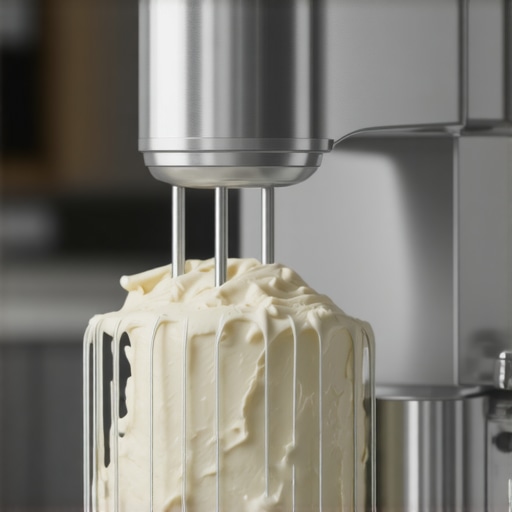
Ever been in the middle of kneading a batch of bread or whipping up a thick cookie dough, only to hear that suddenly jarring click from your hand mixer? It’s a moment of quiet panic—your heart sinks, and your confidence in your trusty kitchen companion wavers. I remember the first time it happened to me; I was just about to finish my sourdough loaf, and then—click—my mixer froze, sparks almost flying, making me wonder if it was a sign to buy a new one. But here’s the thing: that familiar click doesn’t have to be the end of your baking adventures.
Let’s Fix That Click and Get Back to Baking Bliss
Today, I’m going to share three straightforward fixes that have personally saved my weekend baking marathons. Whether you’re a seasoned baker or just starting to test recipes, knowing how to troubleshoot this common issue can save you money and prevent frustration. From simple adjustments to a few tool upgrades, I’ll walk you through each step, backed by my own experience and some expert tips, like those I found on KitchenTechHQ. So, if you’ve ever wondered why your hand mixer keeps clicking during heavy-duty dough tasks or worry that it’s a sign of impending failure, stay tuned—these fixes will make your mixer stronger than ever.
Is Your Mixer Worth the Hype or Just a Headache?
I’ve made the mistake early on of ignoring the signs — like overloading the motor or using incompatible attachments — which only worsened the problem. Trust me, a little prevention and understanding can go a long way. Curious if your current hand mixer can handle the toughest doughs? You might want to check out my comparison of stand vs. hand mixers for baking dough to see if it’s time for an upgrade.
Now, let’s dive into the solutions that will keep your mixer running smoothly, so you can focus on perfecting your recipes rather than worrying about tool breakdowns. These fixes are simple, effective, and won’t require a degree in engineering—just a bit of your time and some basic tools. Ready? Let’s go!
.
Assess the Overloading and Load Limits
Start by inspecting if you’re overloading your mixer with heavy dough or excessive ingredients. I once attempted to mix a dense bread dough without considering my mixer’s capacity, leading to frequent clicking. To prevent this, always check your model’s maximum recommended load — you can find this info in the user manual or on the manufacturer’s website. If you’re using a lighter-duty hand mixer on thick dough, it’s like trying to bend a steel rod with a plastic spoon—ineffective and likely to cause damage. For tougher tasks, consider upgrading to a more rugged model, like the ones I reviewed at this list of durable hand mixers.
Check the Attachments for Proper Fit and Wear
Next, examine your whisk or beaters. A common mistake is using attachments that don’t fit securely, causing intermittent contact and clicking sounds. I once noticed my whisk wobbling, which made mixing uneven and increased the clicking noise. To fix this, remove the attachments and verify they’re compatible with your model. If they’re bent or worn out, replace them with high-quality, compatible parts—preferably metal if durability is key, like those described at this comparison of whisk materials. Proper fit ensures even contact with the bowl’s surface, reducing unnecessary strain on the motor.
Tighten or Replace Worn Out Parts
If your mixer’s motor is chugging or the clicking persists, inspect the gear mechanisms. Over time, gears can wear or loosen, leading to slipping and noise. Think of it like gear teeth in a bicycle—worn-down teeth slip, causing funny noises and inefficient motion. Tighten loose screws or replace worn gears—most parts are available through authorized service centers or online parts retailers. I learned this after my mixer started making irregular noises, and a simple gear replacement restored smooth operation, which you can confirm at this guide on gear issues.
Manage Power Settings and Operational Techniques
Sometimes, the issue is less mechanical and more about how you handle your mixer. Use the lowest speed for initial mixing to prevent unnecessary strain, especially with dense doughs. When I mixed a stubborn brioche dough, starting slow prevented the motor from stalling or clicking. Avoid sudden adjustments—gradual speed increases give your mixer’s motor time to adapt. Also, pause frequently to scrape down the sides of your bowl, which minimizes uneven load and reduces clicking sounds. Using a sturdy bowl and proper attachments, like a metal whisk, also helps evenly distribute the workload—details of which are discussed at comparing stand and hand mixers.
Regular Maintenance Keeps it Running
Finally, schedule routine cleaning and inspection. Dust and debris can obstruct gears and attachments, causing abnormal noise. I once ignored this and ended up with a squeaky, clicking mixer that needed professional repair. Clean your attachments regularly, check for worn parts, and lubricate moving components if recommended by the manufacturer. Proper maintenance is like oiling bike gears; it ensures smooth operation and prolongs the life of your equipment, a tip supported by experts at top-rated durable models.
Many home bakers operate under common assumptions about dough mixing that can hinder their results. A prevalent myth is that any mixer can handle heavy doughs, but the reality is nuanced—higher torque motors and specific attachments matter significantly. For example, many believe that plastic whisk attachments are sufficient for all tasks, yet studies show metal components typically offer greater durability and stability, especially under heavy use.
Are Your Mixer Attachments Optimized for Challenging Doughs or Just Setting?
Overlooking this can lead to inefficient mixing, damaged attachments, or even motor burnout. Consider the design of your whisk—sensitive edges or thin metals can bend or break when subjected to dense, high-hydration doughs, which is why paying attention to material quality and compatible attachment design is crucial. External expert sources advise selecting attachments specifically rated for your mixer’s power output and the type of dough you’re working with, as detailed in insights from this comprehensive comparison of stand vs. hand mixers. Also, many bakers underestimate the importance of proper load management. Overloading your mixer with stubborn or high-hydration doughs risks damaging delicate parts or causing uneven mixing. The key is understanding the subtle differences in motor strength and gear design, which can make a meaningful difference. A mistake often made is relying solely on wattage ratings—more wattage doesn’t always equate to better performance; torque and gear quality are equally essential. Experts emphasize choosing a model with a high torque motor combined with robust, well-designed gears, as discussed in this insight on durable machinery for sourdough. To elevate your baking, focus not only on what your mixer can do but how you optimize your technique, including proper attachment use, load management, and maintenance routines. Having the right knowledge about these nuances enables you to avoid common pitfalls and achieve consistently superior results. So, next time you’re mixing a challenging dough, ask yourself if your gear is truly up to the task. Have you ever fallen into this trap? Let me know in the comments.
Investing in quality baking equipment is only half the battle; maintaining these tools ensures long-term performance and reliable results. For instance, I personally rely on my stand mixer daily, and regular upkeep has kept it running smoothly for years. In my experience, routine cleaning, timely replacement of worn parts, and proper storage are critical. Using soft, damp cloths to wipe down attachments prevents buildup that could interfere with operation. Moreover, inspecting gear mechanisms periodically, as outlined in expert guides, helps catch issues before they escalate. Expect your investment to serve you well, provided you dedicate a little time to preventative care. The future of appliance longevity suggests incorporating smart sensors that alert you when lubrication or part replacement is due—some models already feature this tech, promising even greater durability and peace of mind. I recommend integrating these practices into your routine, such as lubricating moving parts as recommended by manufacturer instructions, to extend your device’s lifespan. One concrete step I urge you to try now: add a few drops of food-grade silicone lubricant to the gear assembly of your hand or stand mixer. This simple action can dramatically reduce wear and noise, making your kitchen routines smoother and more enjoyable. Regular maintenance not only preserves your equipment’s efficiency but also enhances your baking results by ensuring consistent mixing performance over time.
The Hardest Lesson I Learned About dough mixing,whisk attachments,hand mixer,baking mixer,stand mixer
One of the most profound realizations was realizing that not all mixers are created equal—especially when faced with stubborn, high-hydration doughs. Investing in tools with high torque and sturdy gears saved me from frequent breakdowns and frustration. I learned the importance of matching your mixer’s capabilities with your baking ambitions, rather than just opting for the most popular model. Sometimes, a cheaper appliance can lead to costly repairs or unsatisfactory results, a lesson reinforced by my own experiences and expert advice.
Secrets I Wish I Knew About Attachments and Overloading
Using the right attachments, like choosing metal over plastic whisk components, significantly impacts durability and performance under heavy loads. I used to overload my mixer, ignoring the recommended limits, leading to clicking noises and gear wear. Now, I always check compatibility and load capacity before starting my mixing sessions. Proper attachment fit and material quality are game changers—saving you money and ensuring smoother operation, as you can explore in detailed comparisons of whisk materials and gear tips at trusted sources.
Tech My Toolkit Can’t Live Without
Beyond basic mixers, I rely on a few key tools that make heavy-duty dough mixing more manageable. A reliable, high-torque model from this curated list of rugged hand mixers saves the day, especially when tackling tough bread or pizza dough. Maintenance kits and specialty lubricants, like food-grade silicone, hold the gears in prime condition, preventing squeaks and burnout. These cost-effective investments pay off with longer appliance lifespan and consistently better results.
Turning Experience Into Confidence to Tackle Challenging Recipes
Every baked good has its secret, and knowledge about your equipment’s intricacies turns baking into a rewarding craft—the kind that makes you excited to try new recipes. Whether it’s managing load limits, selecting appropriate gear, or fine-tuning your technique, understanding your tools enhances your baking proficiency. I encourage you to experiment with different settings and attachments, always considering your mixer’s capacity and the recipe’s demands. Your future baking self will thank you for taking these lessons seriously, transforming frustration into joy, and every loaf into a masterpiece. How are you pushing your baking limits today? Share your latest challenge in the comments and let’s learn together.

Leave a Reply