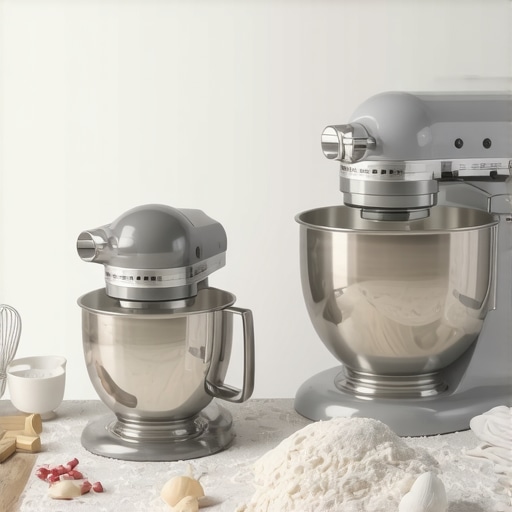
Have you ever been elbow-deep in flour, trying to mix a stubborn batch of dough or whip cream by hand, only to realize your arm is about to give out? That lightbulb moment — when you finally understand the true power of the right kitchen tool — is what prompted me to dig deeper into the battle between stand mixers and hand mixers. As someone who loves baking but also values efficiency, I’ve faced the frustration of choosing the wrong tool and spending more time and effort than necessary.
Why Picking the Right Mixer Matters for Your Baking Success
Choosing between a stand mixer and a hand mixer isn’t just about convenience; it can make or break your baking experience. A good mixer not only saves time but also ensures consistent results, whether you’re kneading dough for bread or whipping up fluffy cakes. When I first started baking seriously, I made the mistake of thinking I could get by with just a hand mixer. Turns out, that was a rookie error. My arm tired out long before the batter was smooth, and I ended up with uneven mixes that affected the final product. I learned the hard way that the right mixer can elevate your baking game — and that’s what I want to help you discover today.
Is the hype around stand mixers really justified?
Early on, I assumed stand mixers were just a luxury, not a necessity. I was convinced I could do everything with a hand mixer — until I tried making a dense bread dough. My arm cramped, and the dough hardly mixed evenly. That’s when I realized I’d overlooked something important: the power and stability a stand mixer offers. According to a study from the Culinary Institute of America, consistent mixing significantly improves baking outcomes, especially for doughs that require kneading or thick batters. This insight made me rethink my approach and consider investing in a stand mixer for serious baking projects.
If you’ve ever faced similar struggles, you’re not alone. Many home bakers find themselves frustrated with the limits of hand mixers, especially when tackling large or tough recipes. But don’t worry — by understanding the differences and how to choose the right tool for your needs, you can make your baking more enjoyable and successful. Ready to explore the practical steps to find your ideal mixer? Let’s dive into the key factors to consider, so you can bake with confidence and ease.
Pick the Perfect Tool for Your Recipe
Start by evaluating the type of baked goods you most often make. For dense bread doughs, a stand mixer with a dough hook is your best bet, offering the power needed to knead without tiring your arm. For lighter tasks like whipping cream or mixing batter, a hand mixer can be sufficient and more convenient.
Match the Mixer to Your Ingredients
Use a stand mixer for heavy, thick doughs that require consistent kneading—think pizza or bagel dough. For delicate egg whites or whipped cream, a hand mixer with beaters or a stand mixer with a whisk attachment ensures fluffiness without overmixing.
Set Up Your Equipment Properly
Secure your mixer on a stable surface. Attach the appropriate beaters or dough hook, ensuring they click into place firmly. For hand mixers, hold the device steadily with one hand while guiding the beaters through the mixture with the other.
Prepare Your Ingredients
Pre-measure your ingredients accurately. For example, when making a cake, sift your flour and sugar beforehand to prevent clumps. This preparation allows the mixer to work efficiently and prevents overmixing or under-mixing.
Mix with Purpose and Precision
Use the correct speed setting. Start slow to combine ingredients gently, then increase speed for aeration or thorough mixing. For example, when whipping egg whites, begin at low speed, then increase to high for maximum volume.
Optimize Your Mixing Technique
Scrape down the sides of the bowl regularly to incorporate all ingredients evenly. For dough, let the mixer knead until the ingredients are uniformly combined — avoid overmixing, which can develop gluten too much, resulting in tough baked goods. My experience with making bread dough taught me to stop kneading once the dough pulls away from the sides, resulting in perfect texture.
Leverage Attachments for Better Results
Whisk attachments are great for airy batters, while dough hooks handle dense, elastic doughs. For best results, switch attachments based on your recipe. For example, switching from beaters to a dough hook when moving from cake batter to bread dough ensures optimal consistency.
Clean and Maintain Your Mixer
After baking, detach and wash the attachments thoroughly. Wipe down the mixer body and bowl to keep your equipment in top shape. Regular maintenance prolongs the life of your appliance and ensures consistent performance.
Applying these techniques transforms your baking experience, making it more efficient and enjoyable. For detailed insights on selecting the right mixer and attachments, check out this comprehensive guide.
When it comes to baking tools, many home bakers fall into traps due to misconceptions that can hinder their success. Let’s clear up some of the most common myths and reveal the nuanced truths that often go unnoticed. For instance, a widespread belief is that stand mixers are only necessary for professional bakers. In reality, they offer benefits even for hobbyists, especially when tackling tough doughs or large batches. According to a study from the Culinary Institute of America, the consistent power and stability of a stand mixer significantly improve the quality of bread and pastry results, proving their value extends beyond professional kitchens. If you want to make your baking more efficient and consistent, understanding when and why to use a stand mixer is crucial. You can explore more about which is better for dough tasks to make an informed decision.
Another common mistake is underestimating the importance of attachment selection and proper technique. Many assume that all whisk or dough hooks are interchangeable, but this isn’t true. Using the wrong attachment or incorrect speed can lead to overmixing or under-mixing, impacting texture and structure. For example, overmixing cake batter can develop gluten inappropriately, resulting in a dense crumb. Conversely, under-mixing dough can cause uneven fermentation or texture issues. Advanced bakers know that selecting the right attachments and techniques is essential for optimal results. This distinction is subtle but critical for achieving bakery-quality outcomes at home.
Why do many still get it wrong with dough mixing
Many assume that kneading by hand or with a basic mixer is sufficient for all bread recipes. However, not all doughs are created equal. Dense, elastic doughs like bagels or sourdough benefit from the consistent power of a stand mixer with a dough hook, which provides even kneading without fatigue. A common trap is overworking dough in a stand mixer, leading to a tough crust or crumb. Conversely, using a hand mixer for heavy dough can be ineffective and potentially damage the device. The key is understanding the hidden nuances of dough mixing to choose the right tool and process. For advanced bakers, mastering these subtleties is what elevates baking from good to exceptional. Have you ever fallen into this trap? Let me know in the comments.
Keep Your Baking Equipment in Top Shape
Investing in quality mixers and attachments is just the beginning; maintaining them over time is crucial for consistent results and longevity. I personally recommend setting a regular cleaning schedule after each use—detaching beaters, dough hooks, and whisk attachments immediately to prevent batter buildup that can corrode metal parts. Wiping down the motor housing with a damp cloth keeps dust and flour from affecting the electrical components. For stand mixers, I suggest lubricating the moving parts as per the manufacturer’s instructions annually to prevent wear and tear. How do I maintain my stand mixer over time? Regularly check the power cord for any signs of damage and ensure the attachment hubs are free of debris. Applying a small amount of food-grade lubricant to the drive shaft enhances performance and prolongs the life of your equipment. For the most part, following the manufacturer’s cleaning guidelines ensures your mixer remains reliable season after season. Additionally, storing your attachments in a dry, organized space prevents rust and damage, saving you money in the long run. As technology advances, many brands now include self-diagnostic features or routine maintenance alerts—stay updated with your model’s manual to leverage these innovations. I’ve found that a little preventative care goes a long way, especially when handling heavy doughs or frequent baking projects.
Tools I Recommend for Long-Term Baking Success
In my kitchen, investing in a durable, high-quality stand mixer like the KitchenAid Artisan has transformed my baking routine. Its sturdy construction and powerful motor make kneading dense bread dough effortless, and the variety of attachments—dough hook, whisk, paddle—cover nearly every baking need. For whisk attachments, I prefer those made from stainless steel rather than plastic because they’re more resistant to bending or breaking, especially when whipping large batches. When it comes to dough mixing, I always choose a stand mixer with a planetary mixing action, which ensures thorough incorporation without overworking the dough. I also recommend a digital timer integrated into your mixer, so you can monitor your mixing process precisely, avoiding overmixing that can toughen baked goods. This guide offers an excellent overview of selecting the right attachments and models tailored to your baking style. As trends move toward smart appliances, I predict future mixers will incorporate IoT connectivity, allowing for customized presets and maintenance alerts—making baking both smarter and more efficient. Embracing these advancements now can set you apart and streamline your process for years to come. Remember, the key to long-term performance is consistent maintenance and choosing tools designed for durability. Don’t overlook the value of quality attachments—they’re often the difference between good and exceptional results. Try regularly inspecting and cleaning your mixer, and consider upgrading to stainless steel whisk attachments for better durability. Your future self will thank you for it!
What I Wish I Knew Sooner About Mixers and Dough
- Choosing the wrong mixer cost me time and effort, especially with dense bread doughs. I learned that a stand mixer with a dough hook is invaluable for serious baking projects, saving my arm and improving consistency.
- Using attachments correctly made a huge difference. Switching from beaters to a dough hook at the right moment transformed my results. I now see that understanding these nuances is key to bakery-quality baking at home.
- Neglecting maintenance was a mistake. Regular cleaning and proper storage of attachments extend your equipment’s lifespan and keep your baking smooth. It’s a small step that pays off in the long run.
- Investing in a quality stand mixer like KitchenAid has been a game-changer. Its durability and versatile attachments make it a reliable partner for all baking adventures, especially when handling tough doughs.
- Don’t overlook the importance of technique. Starting slow, scraping down the bowl, and not overmixing are simple habits that lead to better baked goods. Combining good tools with good technique is the secret to success.
My Secret Weapons for Baking Success
- This comprehensive guide helped me select the right mixer and attachments tailored to my needs.
- For detailed tips on attachment choices, I rely on this resource to optimize my setup.
- Staying informed about maintenance, I follow manufacturer guidelines and use high-quality attachments to ensure my equipment stays in top shape. It’s worth every effort.
- Reading reviews and expert opinions from trusted sources helps me avoid common pitfalls and select reliable tools that last for years.
Your Turn to Make a Difference in Your Baking Game
If you want to elevate your baking, start by choosing the right mixer and mastering proper technique. Remember, the right tools combined with consistent care and technique turn good baking into great baking. So, what’s the next recipe you’re excited to perfect with your mixer? Share your thoughts below and let’s learn together!

Reading through this post really resonated with my own baking journey. I used to think that a basic hand mixer was enough for everything, but I quickly learned its limitations when tackling dense doughs like sourdough or bagels. Upgrading to a sturdy stand mixer made a huge difference in both my results and my energy levels! I also agree on the importance of technique, such as starting slow and scraping down the sides of the bowl; small habits like these can really boost quality.
One thing I’ve found helpful is investing in high-quality attachments, especially stainless steel whisks and durable dough hooks. They tend to last longer and perform better under pressure. I’m curious, how many of you have experimented with different brands or attachments? Do you have recommendations for budget-friendly yet reliable options that still deliver professional results? It’s exciting to see how the right tools and techniques can unlock new levels of baking at home, making the process more enjoyable and consistent.
I really appreciated this comprehensive breakdown of stand versus hand mixers and the focus on technique. When I first started baking, I assumed that investing in a high-end stand mixer was only necessary for professional bakers or serious hobbyists, but I’ve since realized how much it can elevate everyday baking tasks too. Especially for recipes like sourdough or dense bread, a good stand mixer with a dough hook really saves time and effort while giving me consistent results.
One tip I’d add is the importance of your workspace setup—having a stable, non-slip surface makes a huge difference, especially when kneading tough doughs or managing multiple attachments. Also, I’ve experimented with some budget-friendly brands, and I found that some mid-range options can perform surprisingly well if you choose models with a powerful motor and durable attachments.
Have others here found specific brands or models that balance quality and affordability? I think efficient tools combined with proper technique really make a difference, especially for home bakers looking to step up their game.