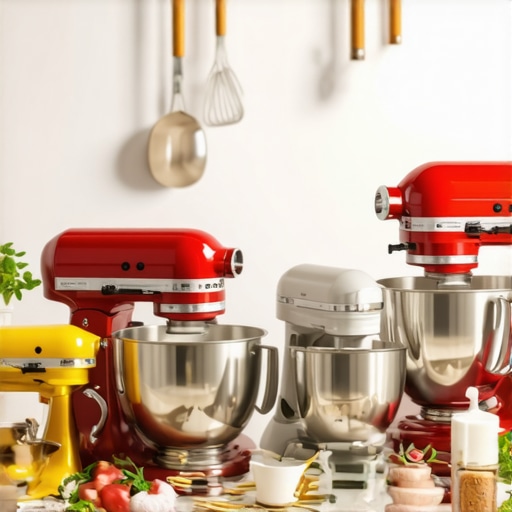
Ever had that frustrating moment in your kitchen when your mixer just can’t handle your dough, or it’s so loud that the whole neighborhood knows you’re baking? I remember the first time I tried to knead bread with a tiny hand mixer. The motor sputtered, and I ended up with a floury mess and a bruised ego. That was my lightbulb moment — realizing that choosing the right mixer isn’t just about brand or looks; it’s about understanding what your baking needs truly demand.
Why Picking the Perfect Mixer Matters More Than Ever
As my baking hobby grew, so did my frustration with mismatched equipment. I spent money on gadgets that promised to do it all but fell short when I needed them most. The truth is, a good mixer can make or break your baking projects. Whether you’re kneading dough, whisking eggs, or whipping cream, having the right tool saves time, effort, and frustration. Especially now, with more people embracing home baking, the right mixer becomes an investment in your kitchen’s future success. Did you know that a poorly chosen mixer can even lead to inconsistent results — which, let’s be honest, is the last thing you want when baking for family or friends? According to KitchenTechHQ, choosing the right mixer can enhance your baking quality significantly, making your recipes turn out perfect every time.
Is All the Hype About Mixers Actually Worth It?
I used to think all mixers were created equal. Spoiler: they’re not. My early mistake was buying a cheap hand mixer because it seemed convenient. Turns out, it couldn’t handle thick doughs or heavy batters. If you’re like I was, you might be wondering whether investing in a stand mixer or sticking with a hand mixer is the smarter choice. That’s exactly what we’ll clarify today. We’ll explore the differences, what features truly matter, and how to pick a model that fits your baking style without breaking the bank. If you’re tired of kitchen equipment that underdelivers, you’re in the right place. Ready to find your perfect match? Let’s dive into the practical steps that will help you make a confident decision and turn your baking from a struggle into a joy.
Start with the Right Power Level
When I first decided to upgrade my mixer, I realized that power is everything. Think of it like a car engine; the more horsepower, the better it handles tough tasks like kneading dense bread dough. For most home bakers, a mixer with at least 300 watts is a good baseline. If you’re planning to work with heavy doughs regularly, consider models with higher wattage to prevent burnout and ensure smooth operation.
Match the Mixer to Your Baking Style
Are you a casual baker or a serious pastry enthusiast? Casual bakers might get by with a sturdy hand mixer, which is lightweight and easy to store. However, if you’re baking multiple loaves of bread or large batches of cookie dough, a stand mixer is a game changer. It’s like having a dedicated assistant in the kitchen that can handle heavy lifting without breaking a sweat. To compare options, check out this stand vs. hand mixer comparison.
Evaluate Attachments and Accessories
Attachments can dramatically expand your mixer’s capabilities. For instance, a whisk attachment is perfect for whipping cream or beating eggs, while a dough hook is essential for kneading bread or pizza dough. I once bought a mixer with only beaters, and I struggled with thick bread dough. Later, I realized that choosing a model compatible with a variety of attachments made my baking much more flexible. For detailed tips on selecting attachments, see this ultimate guide to whisk attachments.
Consider the Bowl Size and Design
The bowl size determines how much you can bake at once. For small batches, a 4-5 quart bowl suffices, but larger families or batch bakers should look at 6-7 quarts or more. Also, a tilt-head design makes adding ingredients easier and cleaning more convenient. I once struggled with a mixer that had a fixed head, making it awkward to scrape the sides. That experience taught me to prioritize user-friendly designs which save time and frustration.
Assess Ease of Use and Maintenance
Look for features like speed control, easy-to-clean attachments, and durable materials. A mixer that’s too complicated can turn baking into a chore. I recommend choosing a model with straightforward controls and dishwasher-safe accessories. Remember, a mixer is an investment—regularly check for parts that might wear out and ensure replacement parts are available. For a comprehensive review, visit this comparison of stand and hand mixers.
Many home bakers believe that all mixers are essentially interchangeable, but this is a misconception that can lead to costly mistakes. For instance, some folks assume that a powerful motor alone guarantees smooth dough kneading, but the reality is more nuanced. In my experience, the design of the mixer, attachment compatibility, and even the bowl shape significantly influence performance, especially when dealing with tricky doughs or delicate batters.
One frequent trap is overestimating the importance of wattage. It’s true that higher wattage can handle heavier doughs, but without proper gear ratios, the motor may struggle with consistency or overheat. For example, a 600-watt stand mixer with poor gear design can underperform compared to a well-engineered 400-watt model. This is why I advocate for a balanced approach—consider both power and build quality. According to a study by KitchenTechHQ, optimal gear design plays a crucial role in ensuring durability and consistent performance, especially during prolonged baking sessions.
Another common myth is that a whisk attachment can replace a dedicated hand or stand mixer for all tasks. While whisk attachments excel at aerating and whipping, they fall short in kneading dense doughs or mixing heavy batters. Many overlook the importance of selecting the right attachment for each task, which can turn a good mixer into a mediocre one. Exploring detailed guides like this ultimate guide to whisk attachments can help you avoid this pitfall.
Why Do Some Mixers Fail with Heavy Doughs Despite High Power?
This is a question that puzzles many advanced bakers. The answer lies in the internal transmission system and the design of the gear assembly. Even a high-wattage motor won’t perform well if the gear system isn’t designed to handle heavy loads. A poorly designed gear system can slip or wear out faster, leading to breakdowns. This is why I recommend researching models with robust gear mechanisms and reading reviews focused on durability. For a comprehensive comparison, check out this detailed comparison of stand vs. hand mixers.
Finally, many overlook the importance of accessory versatility. A mixer with a wide range of compatible attachments, such as specialized dough hooks or flexible beaters, can significantly extend its usefulness. Not all attachments are created equal, and some cheap kits can damage your machine or fail prematurely. To choose wisely, refer to this detailed guide on whisk attachments.
In essence, selecting the right mixer is about understanding the subtle interplay of power, design, attachments, and build quality. Don’t fall for the myth that higher wattage alone is enough; instead, focus on the overall engineering and compatibility. Have you ever fallen into this trap? Let me know in the comments!
How do I keep my mixer running smoothly over time?
One of the most overlooked aspects of baking equipment is maintenance. A stand mixer, hand mixer, or baking mixer can serve you reliably for years if you follow a few simple yet crucial upkeep steps. I personally swear by regularly inspecting and cleaning my mixer, especially after heavy dough-kneading sessions. For example, I always remove attachments and wash them thoroughly with warm soapy water, ensuring no flour or dough residue builds up that could impair performance or lead to mold. Additionally, I keep the motor housing free of dust and debris by wiping it down with a slightly damp cloth—never submerging any part of the mixer, especially the motor itself. For detailed guidance on maintaining your mixer’s internal components, I recommend reviewing the ultimate guide to whisk attachments. Regular lubrication of moving parts, where applicable, also helps prevent wear and tear, extending the lifespan of your equipment.
Tools I recommend for upkeep
To keep my mixer in top shape, I rely on a few specific tools. A small brush with stiff bristles is perfect for cleaning out gear mechanisms and crevices where flour and dough particles tend to accumulate. I also use a silicone spray specifically designed for kitchen appliances to lubricate the gear assembly periodically—this is especially vital for older models or those subjected to heavy use. A soft microfiber cloth is essential for wiping down external surfaces without scratching the finish. For internal parts or difficult-to-reach areas, I turn to compressed air cans to blow out dust and crumbs—an often-overlooked step that can improve motor performance significantly. Remember, proper maintenance isn’t just about cleaning; it’s about proactively preventing issues before they arise.
Future trends in mixer durability and technology
Looking ahead, I predict that the integration of smart sensors and diagnostics will become standard in high-end mixers. These advancements will monitor motor health, gear wear, and attachment performance, alerting users when maintenance is needed. This proactive approach will help bakers avoid unexpected breakdowns and extend the life of their equipment. Additionally, modular designs with easily replaceable internal parts will make repairs more affordable and straightforward—empowering users to keep their mixers running optimally without costly professional repairs. With manufacturers increasingly focusing on durability and ease of maintenance, investing in quality components now will pay dividends in the long run.
What about long-term results and scaling?
Maintaining your mixer properly ensures consistent baking results over time. When your equipment operates smoothly, your doughs, batters, and whipped creams come out perfectly every time, even as you scale up your baking projects. Whether you’re doubling recipes or tackling more complex baking techniques, a well-maintained mixer handles increased workload without faltering. To scale effectively, consider upgrading to larger bowl capacities or more powerful motors, but only after ensuring your current equipment is in peak condition. Proper maintenance also facilitates easier cleaning and attachment swapping, making it simpler to switch between whisk, dough hook, or beater for different recipes. For more on scaling your baking setup, check out this comprehensive guide.
Don’t underestimate the power of regular, meticulous maintenance—it’s the secret to long-term baking success and equipment longevity. Try implementing my recommended cleaning routines and tools, and you’ll notice your mixer performing better and lasting longer, saving you money and frustration in the future.
Lessons I Wish I Had Known Before Investing in a Mixer
- My biggest mistake was underestimating the importance of gear quality. I thought wattage alone determined performance, but it’s really about how well the internal transmission handles heavy doughs. Learning this the hard way taught me to prioritize build quality over just power.
- Attachments are the secret weapon in a versatile baking setup. Initially, I bought a basic mixer, but upgrading to models with a wide range of compatible tools transformed my baking. It’s worth investing in a mixer that can handle whisk, dough hooks, and specialty attachments for all recipes.
- Design details matter more than I anticipated. A tilt-head makes adding ingredients a breeze, and bowls with comfortable grips save time and frustration. Overlooking these features initially slowed me down and made baking less enjoyable.
Tools and Resources That Changed My Baking Game
- KitchenTechHQ’s Comprehensive Guides: Their detailed reviews and comparisons, like stand vs. hand mixer comparison, helped me understand what features truly matter and avoid costly mistakes.
- Attachment Compatibility Lists: I rely on the ultimate guide to whisk attachments to choose versatile tools that expand my mixer’s capabilities and ensure durability.
- Maintenance Tips: Regular cleaning routines, like using stiff brushes and lubricants, keep my mixer running smoothly. I found that proactive maintenance significantly extends the lifespan of my equipment, saving money and hassle.
Your Next Step in Baking Confidence
Choosing the right baking mixer is more than just picking a shiny appliance; it’s an investment in your culinary journey. When you understand the subtle differences in power, design, and attachments, you unlock the potential to create bakery-quality results at home. Keep learning, experimenting, and maintaining your equipment—your future self will thank you. Now, what’s the first recipe you’re excited to try with your perfect mixer? Share below and let’s inspire each other to bake better every day!

I completely agree with the emphasis on matching the mixer to your baking style. Early in my baking journey, I thought a powerful motor was the main factor, but I learned that attachment versatility and design features like tilt-heads make a huge difference in daily usability. Personally, I’ve found that investing in a model with a robust gear system—not just wattage—really pays off when dealing with heavy doughs for bread or large batches of cookies. That said, I’d love to hear from others: have you found certain brands or models that excel specifically in durability over time? Sometimes, a blend of good engineering and ease of maintenance makes all the difference in keeping your equipment reliable through years of baking adventures.
Reading through this, I really relate to the importance of choosing a mixer that matches your baking habits, not just going for the most powerful or trendy model. When I first started baking seriously, I underestimated how much the attachments and design features could influence my results and ease of use. For instance, I used a basic hand mixer for a while, but once I upgraded to a stand mixer with a tilt-head and multiple attachments, my efficiency and finished baked goods improved dramatically. One thing I’ve learned is that durability depends heavily on quality internal components, especially the gear systems that handle heavy doughs. Has anyone opted for a less-known brand that offers exceptional durability or easy maintenance over the big-name models? I’d love to hear your stories, especially if you’ve been able to find reliable, long-lasting equipment without overspending.
This post really hits home for me, especially the importance of selecting a mixer aligned with your baking needs rather than just brand prestige. I’ve learned from experience that the internal gear mechanism plays a crucial role in durability, especially when dealing with heavy doughs like bread. A high wattage motor is helpful, but if the transmission isn’t robust, it’s only a matter of time before problems arise. When I invested in a mid-range stand mixer with a well-designed gear system, I noticed a significant improvement in handling dense mixtures without overheating. My question is, do any of you have tips on how to identify quality gear mechanisms before making a purchase? I want to avoid costly repairs down the line. Also, I’m curious if others have found lesser-known brands that outperform big-name models in durability. Sharing experiences like that could really help the community make smarter choices in their baking equipment!
I completely agree with the emphasis on matching your mixer to your baking needs. From my experience, investing in a model with a reliable gear system and sturdy construction has made a huge difference in handling frequent heavy doughs without overheating or wearing out quickly. I’ve found that some lesser-known brands with solid reviews on durability and user satisfaction outperform bigger names, especially when it comes to internal mechanics. It’s also important to consider the availability of replacement parts and customer service—something I’ve had to look into after a small gear slip. Has anyone else noticed that sometimes, the price doesn’t always equate to better internal components or longevity? I’d love to hear your tips on spotting quality gear mechanisms before making a purchase; I want to avoid surprises down the line. And what features do you prioritize most—power, attachments, or design? This guide has definitely helped me refine my shopping strategy.