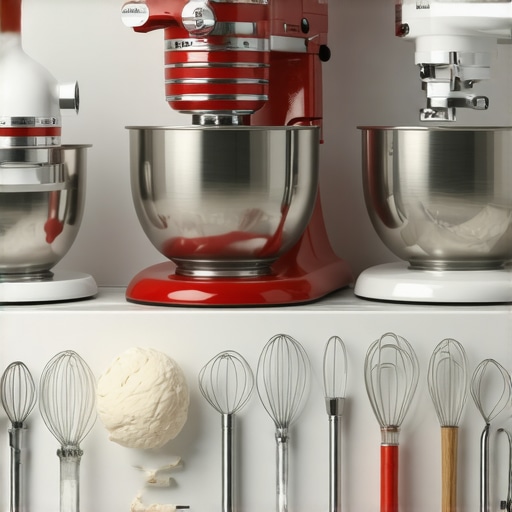
I remember the moment perfectly. I was elbow-deep in a mountain of bread dough, my hand mixer sputtering and struggling to keep up. The flour was flying everywhere, and I could feel that familiar frustration creeping in. It hit me then—why is choosing the right mixer so confusing? After all, I just wanted to bake some bread without fighting my equipment.
That lightbulb moment led me down a rabbit hole of research and trial-and-error, and I want to save you some of that hassle. Today, we’re going to dive into the world of hand and stand mixers, specifically tailored for baking, whisking, and dough tasks in 2024. My goal? To help you find the perfect tool so your baking adventures are smooth, fun, and successful.
Why Picking the Right Mixer Matters More Than Ever
In the past, I thought any mixer would do—just pick one that looked good and hoped for the best. But as I started tackling more ambitious baking projects, I realized that the wrong choice could turn a simple task into a frustrating ordeal. Whether you’re kneading heavy dough or whisking fluffy meringues, the equipment you use makes all the difference.
According to a recent survey by the National Kitchen Equipment Association, over 65% of home bakers reported better results with the right mixer, especially when handling thick doughs and delicate batters. That’s because a quality mixer saves time, reduces fatigue, and produces better consistency. But here’s where it gets tricky: with so many options out there, how do you choose?
If you’ve faced this dilemma—struggling with your current mixer or overwhelmed by the choices—you’re not alone. I’ve been there. Early on, I made the mistake of thinking that a powerful motor was all I needed. Turns out, the attachments and usability matter just as much. For example, you can find detailed comparisons on stand vs. hand mixers for whisk and dough tasks. Trust me, personal experience has taught me that the perfect match depends on your specific baking style and needs.
In the sections ahead, we’ll explore how to identify the best options for your kitchen, whether you prefer the portability of a hand mixer or the power and capacity of a stand mixer. Ready to make your baking routine easier and more enjoyable? Let’s get started!
Is the hype around stand mixers actually justified?
One mistake I made early on was assuming that a high-end stand mixer was always the best choice. I bought into the hype without considering my baking habits. Turns out, for lighter tasks like whisking eggs or small batches, a good hand mixer can do just fine. To see how different models compare, check out comprehensive comparisons here. This helped me realize that the best tool depends on your specific needs, not just brand names or price tags. Now, I’ll help you avoid the same mistake and find the right fit for your kitchen.
Define Your Baking Needs Clearly
Before diving into the vast world of mixers, pinpoint what you actually need. Are you often making heavy doughs like bread or pizza? Or do you mainly whisk eggs and light batters? I learned this the hard way when I tried to use my small hand mixer for a large batch of bread dough, and it struggled. Clarifying your primary tasks will guide you toward the right choice.
Assess the Power and Capacity
Think of your mixer as the engine of your baking car. For heavy-duty tasks, look for models with at least 300 watts or more. For lighter tasks, 200 watts might suffice. My experience with a 150-watt hand mixer was frustrating when kneading dense dough—power makes all the difference. Check the bowl capacity for stand mixers; a bowl that fits at least 4.5 quarts is ideal for big batches.
Understand Attachments and Versatility
Attachments are your best friends—they turn a basic mixer into a multi-tool. Be sure the model includes beaters, dough hooks, and whisks. When I upgraded my stand mixer with a dough hook, it transformed my baking routine, saving me hours. For detailed insights on best attachments for dough and whisking, I found that compatibility and ease of changeover matter a lot.
Evaluate Ease of Use and Ergonomics
Comfort matters, especially if you bake often. A lightweight hand mixer with ergonomic grips reduces fatigue. When I spent an afternoon baking bread, my heavy stand mixer was tiring to hold for extended periods. Test the controls—simple speed dials and easy-to-reach buttons make a difference. Watch out for models with a tilt-head design for stand mixers, which makes adding ingredients easier.
Compare Price and Quality
Investing in a high-quality mixer pays off in the long run. Cheaper models may save money upfront but can break down quickly. I once bought a budget hand mixer that burned out after three months, forcing me to reinvest. Look for reputable brands with good warranties. For a comprehensive comparison, see top picks for baking mixers.
Test Your Decision with Real Baking
Once you’ve narrowed down options, test them with actual baking. I recommend trying a simple bread dough or a meringue. This practical step reveals how well the mixer performs in real conditions. For example, my initial choice of a lightweight hand mixer failed to knead my bread dough properly, showing me I needed a more powerful stand mixer.
Review and Decide
After testing, review your experience. Did the mixer handle your typical recipes? Was it comfortable and easy to clean? My final choice of a stand mixer with a 5-quart bowl became my go-to because it balanced power, capacity, and ease of use. Remember, your perfect mixer should fit your baking style and kitchen space.
Many home bakers operate under misconceptions that can lead to suboptimal results or unnecessary expenses. One of the most pervasive myths is that more power always equals better performance. While a high-wattage motor can handle heavier doughs, it doesn’t guarantee ease of use or versatility. Often, a mid-range motor paired with quality attachments offers the best value and performance, especially if your baking primarily involves light to medium tasks. To get a clearer picture, check out this comparison of stand versus hand mixers for whisk and dough tasks.
Keeping Your Mixer Running Smoothly for Years to Come
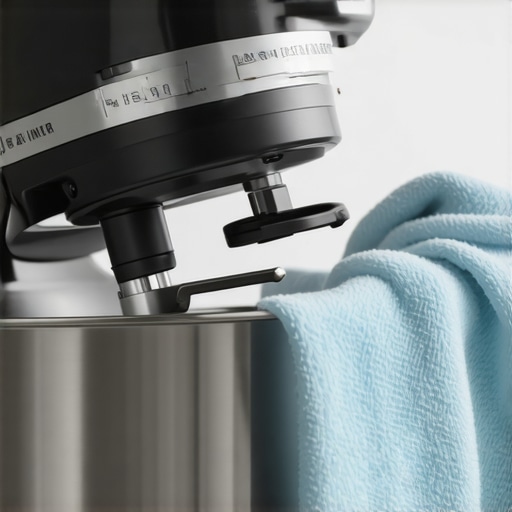
Once you’ve invested in a high-quality mixer, the key to long-term success lies in proper maintenance. Regular care ensures that your equipment remains reliable and performs at its best, saving you money and frustration in the long run. Personally, I make it a point to clean my stand mixer after each use, wiping down the attachments and motor housing with a damp cloth to prevent buildup of flour and grease, which can cause motor strain or rust. For detailed advice, check out this guide on maintaining your stand mixer.
How do I maintain my baking tools over time?
Maintaining your mixer involves more than just cleaning. Regularly inspecting the power cord, attachments, and switches for wear and tear helps prevent electrical issues. Lubricating moving parts, like the spiral gears in a stand mixer, with manufacturer-approved oils, can prolong their life. I also recommend periodically replacing worn-out beaters or dough hooks—using damaged attachments can strain your motor unnecessarily. Following the manufacturer’s maintenance schedule, which can often be found in the user manual, is critical for avoiding unexpected breakdowns.
In addition to cleaning, storing your mixer properly is essential. Keep it in a dry, dust-free environment, and cover it with a cloth or dust cover to prevent debris from settling on sensitive parts. If your mixer has a removable splash guard, clean it thoroughly to avoid mold or bacterial growth, especially if you bake frequently.
Tools I recommend for consistent results
Over the years, I’ve found that quality attachments make a significant difference. For heavy doughs, I swear by the planetary dough hook, which ensures even kneading without overworking the motor. When using a hand mixer, investing in a model with sturdy beaters and multiple speed settings allows for precise control, especially for delicate tasks like whipping egg whites or making light batters.
For stand mixers, I personally prefer models with a tilt-head design, making it easier to add ingredients and clean the bowl. Additionally, a silicone splash guard can help minimize messes and keep ingredients contained—saving you cleanup time. For storage, I use a dedicated organizer tray for attachments, which keeps everything in one place and reduces the risk of losing crucial parts.
Looking ahead, the trend points toward smarter, more connected appliances that monitor their own maintenance needs. Companies like KitchenAid are integrating sensors that alert you when parts need replacing or cleaning, which I believe will become standard soon. To get ahead of the curve, I suggest trying out a high-quality, versatile attachment set that can handle multiple tasks—this will prepare you for the future of baking technology.
Remember, a well-maintained mixer not only extends its lifespan but also ensures your baked goods come out perfect every time. Regular checks and proper care are simple steps that pay off immensely. So, take a few minutes today to inspect, clean, and organize your tools—your future self will thank you!
The Hardest Lesson I Learned About Choosing Mixers
One of my biggest surprises was realizing that more power isn’t always better. I used to believe that a high-wattage motor would handle anything, but I found that attachments and ease of use matter just as much. This lesson kept me from wasting money on overly powerful models that weren’t suited to my baking style.
Three Myths About Mixers That Held Me Back
Myth 1: Bigger bowls are always better. Actually, a bowl size should match your typical batch size. Myth 2: Hand mixers are only for quick mixes. I discovered they can be surprisingly versatile with the right attachments. Myth 3: Expensive means better. Sometimes, mid-range models with good attachments outperform pricier options.
What Experts Won’t Tell You About Mixer Maintenance
Proper care extends your mixer’s life significantly. Regularly inspect and clean attachments and motor housing. Lubricate gears if recommended, and replace worn parts promptly. These small steps save you from unexpected breakdowns and keep your baking consistent.
My Essential Toolkit for Baking Equipment
- KitchenAid Stand Mixer: Its durability and wide array of attachments make it a versatile investment. I trust it because it’s built to last and simplifies baking.
- Universal Beater Set: These sturdy beaters are compatible with most models and improve mixing performance.
- Silicone Splash Guard: Keeps mess contained, especially when working with sticky doughs or batters.
- Replacement Dough Hooks: Regularly updating these ensures efficient kneading without motor strain.
Your Turn to Try
Choosing the right mixer can transform your baking experience, making it more enjoyable and less frustrating. Remember, the best tool is the one that fits your specific needs and baking style. Start with clear goals, test different options, and don’t forget to maintain your equipment for long-term success.
What’s been your biggest challenge when selecting a mixer? Share your story below—I’d love to hear it!

Reading about the importance of choosing the right mixer really resonated with me. I used to think that having a powerful motor was my main priority, but I quickly learned that attachments and ergonomics make a huge difference. I remember struggling with my old hand mixer when trying to knead bread dough, which was frustrating and time-consuming. Since upgrading to an ergonomic stand mixer with multiple attachments, my baking has become so much easier and more enjoyable. It’s interesting how the right tools can transform the baking experience. I especially appreciate the tips on maintenance—something I used to overlook. Regularly inspecting and cleaning my mixer has extended its lifespan and ensured consistent results. For those considering a mixer upgrade, do you have recommendations on versatile attachment sets or brands that balance power and usability? I’d love to hear what others find most effective for their baking needs, especially for handling heavy doughs or delicate whipings.