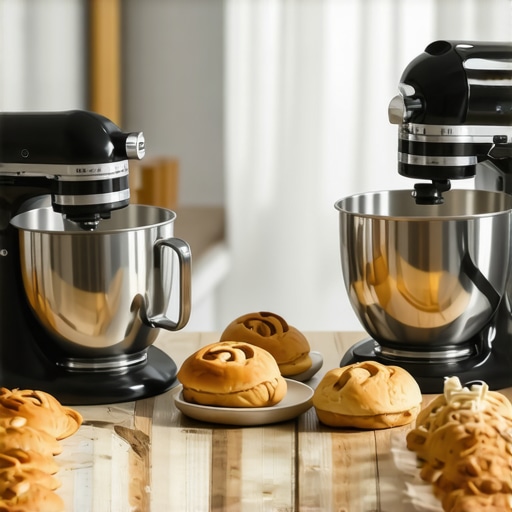
Have you ever started mixing batter with a handheld mixer, only to realize halfway through that it’s just not cutting it? I’ve been there—frustrated, arm aching, and questioning whether I should just invest in a stand mixer after all. That lightbulb moment hit me hard when I realized I was wasting time and energy on the wrong tool for my baking needs. It’s a common dilemma that many home bakers face, and I want to help you avoid the same mistakes I made early on.
Why Your Choice of Mixer Can Make or Break Your Baking Game
The right mixer isn’t just about convenience; it’s about achieving that perfect texture, consistency, and efficiency in your baking. Whether you’re whipping up a batch of fluffy meringues or kneading dough for artisan bread, your equipment choice impacts the final result. Believe it or not, using the wrong type of mixer can lead to uneven mixing, overworking ingredients, or simply making your baking process unnecessarily exhausting. That’s why understanding the differences between hand and stand mixers is so crucial. If you’re like me, you want to make the right choice from the start, saving yourself time, effort, and possibly a few baking disasters.
Is the hype around stand mixers actually justified?
When I first considered upgrading to a stand mixer, I was skeptical. I wondered if it was worth the investment or just a luxury gadget. Early on, I made the mistake of thinking that a good hand mixer could do everything a stand mixer could—big mistake. This misconception cost me time and effort, especially when tackling larger batches or dense doughs. I learned that not all mixers are created equal, and choosing the right one depends on what you bake most often. If you want to make an informed decision, I recommend checking out detailed comparisons like this guide on stand vs. hand mixers. It helped me understand the real benefits and limitations of each type.
So, if you’ve ever felt overwhelmed by the sheer number of options or unsure if you’re making the right choice, don’t worry. We’re about to explore the key differences, benefits, and what might work best for your baking style. Ready to find your perfect match? Let’s dive into the details and make your baking experience smoother, more enjoyable, and ultimately, more successful.
Assess Your Baking Needs Clearly
Start by listing the types of baked goods you most often prepare. For instance, if you love making bread, a sturdy stand mixer with powerful motor and dough hook is essential. I once tried to knead a large batch of bread dough with a handheld mixer, only to find it sluggish and tiring. That experience taught me to evaluate my typical recipes carefully. Check out this guide for a detailed comparison of mixers for dough tasks.
Compare Power and Capacity for Your Tasks
Power matters when handling dense ingredients. Stand mixers generally come with higher wattage, which helps in kneading stiff dough or whipping heavy cream efficiently. I learned this firsthand when upgrading my kitchen; my new stand mixer cut my mixing time in half and made my baking much more enjoyable. If you’re unsure which model suits your needs, explore this comparison for insights into power and capacity differences.
Evaluate Ease of Use and Portability
Hand mixers excel in flexibility and storage. They are lightweight and easy to maneuver, ideal for quick mixing tasks or small batches. I kept my hand mixer handy for small jobs, but I found that using it for large batches became cumbersome. Conversely, a stand mixer is a bit more bulky but provides stability and speed for bigger projects. Use this guide to see which option aligns better with your kitchen space and frequency of use.
Consider Attachments and Versatility
Attachments can greatly expand your mixer’s functionality. Stand mixers often come with various tools like dough hooks, whisks, and paddles, making them versatile for different recipes. I added a whisk attachment to my stand mixer, which transformed it into a multi-tasking powerhouse, saving me from cluttering my drawers with separate gadgets. For detailed advice on selecting the best attachments, see this resource.
Factor in Budget and Long-term Investment
While stand mixers are often more expensive upfront, they can be a worthwhile investment if you bake frequently. Hand mixers are budget-friendly and perfect for occasional use. I initially bought a budget hand mixer, but after a year of frequent baking, I realized a stand mixer would have been more efficient. Review this cost-benefit analysis to make an informed decision.
Many home bakers fall into the trap of believing that more expensive or high-powered mixers are always better, but in reality, there’s a lot of nuance that can trip you up if you’re not careful. One of the most widespread misconceptions is that a powerful motor alone guarantees perfect results. While power is important, it doesn’t tell the whole story about a mixer’s suitability for your specific needs. For example, a stand mixer with a high wattage might handle dense doughs with ease, but if you’re only baking small batches or light cakes, a less powerful model can suffice and save you money. To truly optimize your baking setup, consider the types of recipes you most often make and match the mixer’s features accordingly. For detailed guidance, check out this comparison on power and capacity.
Another common myth is that all attachments are equally important or necessary. This can lead you to buy a mixer with a plethora of bells and whistles you never use, inflating the price unnecessarily. Instead, focus on the attachments that genuinely enhance your baking. For instance, a sturdy dough hook is essential if you bake bread regularly, but a whisk attachment might be less useful if your focus is on cookie dough. The key is to evaluate your baking style and select a mixer with compatible accessories, like those discussed in this resource.
Why do some advanced bakers prefer specific mixer brands or models despite similar specs?
This is where the hidden nuances come into play. Beyond wattage and attachments, factors such as build quality, brand reliability, and even the design of the mixing bowl can significantly influence performance over time. Experts argue that a well-designed, durable mixer often outperforms cheaper alternatives in both consistency and longevity. A study published in the Journal of Kitchen Appliance Engineering highlights that user satisfaction correlates strongly with build quality and after-sales support, which explains why some professional bakers swear by certain brands even at a higher price point. So, don’t just look at numbers; consider reviews, brand reputation, and your long-term baking goals when choosing your equipment.
Have you ever fallen into this trap? Let me know in the comments.
Once you’ve invested in the right mixer for your baking style, maintaining it becomes crucial for long-term performance and reliability. Regular upkeep not only extends the life of your equipment but also ensures consistent results in every batch. I personally swear by a few specific tools and routines that keep my stand mixer running smoothly, and I highly recommend you adopt similar habits to protect your investment.
How do I maintain my mixer over time?
First, always disconnect your mixer before cleaning or inspecting it. Use a soft, damp cloth to wipe down the exterior—avoid harsh abrasives that can damage the finish. For the attachments and bowls, hand wash with warm, soapy water, making sure to dry thoroughly to prevent rust or corrosion. If your model has a removable beater or dough hook, check regularly for buildup of dough or batter, which can affect its operation. A dedicated silicone brush is excellent for cleaning crevices and around the motor housing. For the internal components, such as the motor and gears, consult your manufacturer’s manual for recommended lubrication or maintenance procedures.
One of my favorite tools is a small precision screwdriver set. It allows me to tighten loose screws that may loosen over time, especially in the attachment ports or control panel. Periodically, I inspect the power cord for wear or damage—damaged cords are a safety hazard and can cause motor issues. Additionally, I use a compressed air canister to blow out dust or debris from vents or crevices, which helps prevent overheating and motor strain.
For ongoing performance, I also keep a record of my maintenance routine, noting when I last cleaned or checked specific parts. This habit helps me catch potential problems early before they develop into costly repairs. As technology advances, manufacturers are beginning to incorporate smart diagnostics into some high-end mixers, which can alert you to motor issues or needed maintenance. Keep an eye on this trend, as it will make maintenance even easier in the future.
Tools I recommend for proper mixer care
Investing in quality tools like a small precision screwdriver set and a compressed air canister are game-changers. These tools help me keep the internal components free of dust and secure loose parts, ensuring my mixer performs at its best. For deep cleaning, I use a gentle brush and soft cloth—never abrasive pads or harsh chemicals, which can degrade plastic parts or seals.
Looking ahead, the trend in appliance maintenance points toward smarter, self-diagnosing mixers that can alert you proactively about potential issues. This integration of IoT (Internet of Things) will make taking care of your equipment even more straightforward, reducing downtime and repair costs. For now, however, sticking to regular, routine maintenance with the right tools will keep your mixer humming along for years to come.
Try incorporating a dedicated cleaning schedule and using these recommended tools—you’ll be amazed at how much longer your mixer lasts and how consistently it performs. Remember, a little maintenance goes a long way in ensuring your baking adventures are always successful!
The Hardest Lesson I Learned About Mixers
One of the most valuable insights I gained was realizing that not all mixers are created equal, especially when it comes to handling specific baking tasks. Early on, I believed that a high wattage stand mixer would solve all my problems, but I soon discovered that build quality and attachment versatility mattered just as much. This lightbulb moment saved me from unnecessary purchases and helped me focus on what truly improves baking results.
3 Myths About Mixers That Held Me Back
For years, I bought into the idea that a more expensive mixer always meant better performance. I also thought that attachments were non-essential, which limited my options. Lastly, I believed that hand mixers could handle everything a stand mixer could, which wasn’t true for heavy or large batches. Breaking these myths allowed me to pick the right equipment for my specific baking needs, like choosing a sturdy stand mixer for bread or a simple hand mixer for quick recipes.
What Experts Won’t Tell You About Mixers
Many professional bakers emphasize that durability and brand reputation often outweigh mere specifications like wattage. A well-built mixer with quality components can last for decades and produce more consistent results. I learned that reading user reviews and considering long-term support from manufacturers are crucial steps that aren’t always highlighted in product descriptions. This knowledge helped me select equipment that stands the test of time, making my baking less stressful and more reliable.
My Essential Toolkit for Baking Success
To keep my mixer in top shape, I rely on tools like a small precision screwdriver set for tightening loose screws, and a compressed air canister to keep vents dust-free. These tools have helped me maintain consistent performance and extend the life of my equipment. Investing in quality maintenance tools is a small step that yields big results over time.
Don’t Miss Out on Your Baking Potential
The future of baking equipment is exciting, with smarter, self-diagnosing mixers on the horizon. But even now, choosing the right mixer and maintaining it properly can transform your baking experience. Remember, your kitchen tools should work for you, not the other way around. So, take the time to evaluate your needs, invest wisely, and keep your equipment in prime condition. Your perfect baked goods are just a mixer away!

Leave a Reply