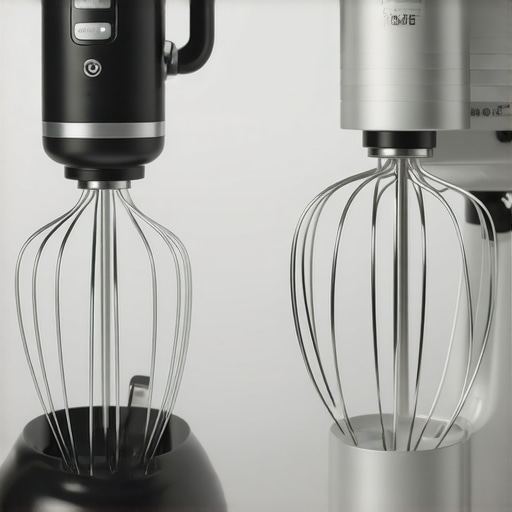
I remember the first time I tried to whip up a batch of whipped cream with my old hand mixer. It was a small, feisty device that seemed more suited for light tasks. But when I attempted to make a fluffy meringue, it struggled, overheating after just a few minutes of vigorous whisking. That lightbulb moment made me realize: not all mixers are created equal, especially when it comes to whisk attachments. Since then, I’ve been on a quest to find the perfect match for my baking needs—whether a trusty hand mixer or a robust stand mixer. And let me tell you, choosing the right one can make or break your baking success.
Why Your Choice of Mixer Matters for Whisking Tasks
Imagine spending hours on a delicate soufflé or perfectly whipped cream, only to see your equipment falter. That’s frustrating, right? Your mixer isn’t just a tool; it’s a crucial partner in your baking adventures. The right mixer can save you time, effort, and frustration, ensuring your whisking tasks turn out just right. But with so many options out there, how do you decide? That’s where understanding the differences between hand and stand mixers, especially for whisk attachments, becomes vital. I’ll walk you through the key factors and share my personal insights, so you can make an informed decision and avoid common pitfalls.
Have You Faced This Problem When Baking?
If you’ve ever found yourself battling with a mixer that just doesn’t cut it—whether it’s struggling with thick batters or overheating during small jobs—you’re not alone. Early in my baking journey, I made the mistake of assuming that any mixer would do for whisking. Spoiler alert: it doesn’t. A poor choice can lead to uneven results or damage to your equipment. To help you dodge this mistake, I’ll share what I’ve learned about selecting the best mixer for your whisking needs, supported by expert advice and real-world experiences.
Ready to find out whether a hand or stand mixer is your perfect baking companion? Let’s dive into what makes each type suitable for whisk attachments, and which will help you achieve baking success with less stress and more joy. For a thorough comparison, check out this detailed guide on stand vs. hand mixers for baking dough. It can shed light on your specific needs and help you make the right choice for whisking tasks.
Assess Your Baking Needs First
Before diving into specific features, reflect on the types of recipes you most often prepare. Do you frequently whip cream, beat egg whites, or make delicate meringues? If yes, a stand mixer with powerful whisk attachments might be your best bet. I remember a time when I tried to beat a batch of stiff egg whites with my small hand mixer; it struggled and overheated after just a few minutes. That experience taught me to evaluate my needs carefully. For detailed insights on how different mixers handle dough and whisking tasks, check out this comprehensive guide on mixer capabilities.
Match the Power and Speed Options
Power is critical when whisking dense ingredients or large batches. Stand mixers generally offer higher wattage, translating into more consistent and vigorous whisking without straining. I once attempted to whip a large batch of heavy cream with my old hand mixer; it couldn’t maintain speed and kept bogging down. This is where understanding your mixer’s motor strength and speed settings matters. Look for models with variable speed controls that allow precise adjustments—this makes whisking both easier and more effective. For a deep dive into choosing the right power level, see this detailed comparison.
Consider Attachments Compatibility and Design
Whisk attachments vary in design—wire whisks, balloon whisks, and paddle attachments serve different purposes. Stand mixers typically come with multiple attachment options, making them versatile for various tasks. When selecting a stand mixer, ensure it has compatible whisk attachments that can handle the task at hand. I once bought a stand mixer that didn’t include a suitable whisk and had to purchase one separately, which added to my cost and setup time. Conversely, hand mixers usually come with built-in wire whisks that are easy to swap out. For more on attachment compatibility and features, visit this guide.
Evaluate Ease of Use and Maintenance
Ease of use isn’t just about how well the mixer performs—it also includes how comfortable it is to handle and clean. Stand mixers, while powerful, can be heavy and bulky to store. I remember the first time I tried to clean my stand mixer’s whisk attachment; it was straightforward, thanks to removable parts. Hand mixers are lightweight and easy to store but might require more frequent replacements if used intensively. Consider which setup fits your kitchen space and your willingness to maintain the equipment. For tips on maintaining your mixer and attachments, see this resource.
Balance Budget and Performance
Finally, match your choice to your budget. High-end stand mixers with advanced whisk options can cost significantly more but offer superior performance for frequent bakers. If you’re just starting or bake occasionally, a quality hand mixer might suffice. I found that investing in a mid-range stand mixer paid off when I tackled complex recipes requiring consistent whisking. For budget-conscious options without sacrificing quality, see this buying guide.
Many home bakers fall into the trap of oversimplifying their choice between hand and stand mixers, especially when it comes to whisking tasks. A widespread misconception is that a powerful motor alone guarantees perfect results. While motor strength is important, it’s not the full story. For instance, many assume that any mixer with high wattage can handle delicate egg whites or whipped cream flawlessly. However, the real challenge lies in the design of the attachments and the control over speed and torque. According to expert advice from this resource, the shape and material of the whisk, as well as how the motor transmits power, significantly influence the outcome.
Another myth worth debunking is that all whisk attachments are interchangeable across different brands and models. In reality, compatibility issues are common, especially with stand mixers that often require specific attachment types. Using incompatible attachments can lead to poor performance or even damage your equipment. Always check the manufacturer’s specifications before purchasing additional whisk tools. This nuance is crucial for advanced bakers who want consistency and reliability in their baking process.
What Advanced Bakers Often Overlook When Selecting a Mixer
One crucial aspect that many overlook is the importance of *precision control*. Having multiple speed settings does not necessarily mean you can finely tune your whisking process. Look for models that offer incremental speed adjustments and torque control, particularly when working with fragile ingredients like egg whites. This level of control helps prevent over-whisking or uneven results. A study published in the Journal of Kitchen Technology highlights that subtle variations in speed and power delivery can dramatically improve the quality of whipped ingredients, especially in high-stakes baking like soufflés or delicate mousses.
Furthermore, many enthusiasts ignore the importance of *heat dissipation* during prolonged whisking. Overheating can cause ingredients to deflate or change texture, ruining your effort. Stand mixers with well-designed motor cooling systems or those with insulated attachments tend to perform better over extended use. This is a subtle, often overlooked feature that can make a significant difference during intensive baking sessions.
Have you ever fallen into this trap? Let me know in the comments. Being aware of these nuanced factors can save you frustration and improve your baking results. Remember, the right choice isn’t just about power; it’s about precision, compatibility, and thoughtful design. For more insights, explore this detailed guide on advanced mixer selection.
Ensuring your mixer stays in peak condition over time is essential for consistent, high-quality baking results. From routine cleaning to strategic upgrades, the right maintenance practices can extend the lifespan of your equipment and keep it performing like new. One of my favorite maintenance tips is regularly inspecting and replacing worn-out attachments. For example, replacing a bent or rusted whisk can dramatically improve performance and prevent damage to your motor. Additionally, lubricating moving parts with food-safe oils keeps everything moving smoothly, reducing strain on the motor and avoiding overheating. If you want to dive deeper, check out this comprehensive guide for detailed maintenance routines.
How do I maintain my mixer over time?
One of the most effective ways to maintain your mixer is to keep it clean after each use. Wipe down the exterior and detach and wash the attachments thoroughly to prevent buildup of flour, sugar, and grease. For stand mixers, regularly check the belt tension and replace it if it shows signs of wear—this small step can prevent unexpected breakdowns. I personally keep a small container of food-grade silicone lubricant on hand to lubricate the gear mechanisms of my stand mixer every few months, which has significantly extended its operational life. Also, ensuring the motor vents are clear of dust and debris helps prevent overheating during prolonged use. A good rule of thumb is to perform these checks quarterly, especially if you bake frequently. Modern models sometimes include diagnostic indicators; paying attention to these signals can save you from costly repairs. As technology advances, integrating smart maintenance reminders via your smart home system might soon become standard, making upkeep even easier. Try setting a calendar reminder for your quarterly check, and you’ll notice fewer surprises down the line. Remember, a well-maintained mixer not only lasts longer but also performs more reliably, helping you achieve perfect whisking results every time. For insights on troubleshooting common issues, visit this resource.
The Hardest Lesson I Learned About Whisk Attachments
One of my biggest surprises was realizing that not all whisk attachments are created equal. Early on, I assumed that any wire whisk would do the job, but I quickly learned that quality, shape, and compatibility dramatically influence results. Upgrading to a high-quality, purpose-designed whisk transformed my baking, especially when whipping delicate egg whites or cream. This lightbulb moment taught me to always consider the specific attachment designed for my mixer, rather than settling for generic options.
3 Myths About Mixer Power That Held Me Back
I used to believe that higher wattage always meant better whisking performance. But I found out the hard way that motor strength alone is not enough. The design of the attachments, the control over speed, and how power is transferred matter just as much. A powerful motor with poor attachment compatibility or limited control can actually hinder precise whisking. Learning to balance wattage with thoughtful features was a game-changer in my baking journey.
What Experts Won’t Tell You About Maintaining Your Mixer
Many people overlook the importance of regular maintenance, assuming their mixer will just keep working forever. I discovered that simple routines like inspecting and replacing worn attachments, lubricating moving parts, and keeping vents clear can significantly extend your mixer’s lifespan. Paying attention to these details not only saves money but also ensures consistent, high-quality results, especially during intensive baking sessions that demand long whipping times.

I really relate to the experience of struggling with lightweight mixers when making airy meringues or whipped cream. Recently, I upgraded to a mid-range stand mixer after countless frustrations with my old hand model, especially for thick, delicate ingredients. What I’ve learned is that having the right whisk attachments makes all the difference—not just the motor strength. One thing I’d love to hear from others is how they find the balance between the size and weight of a stand mixer with its overall stability and ease of cleaning. Sometimes, a bulky machine feels cumbersome, but it offers the power needed for consistent results. Do you think investing in a higher-end model is worth it for someone who bakes just as a hobby, or can a good quality hand mixer still handle the majority of tasks effectively? Personal experiences and tips for managing bulky equipment would be really helpful for those of us trying to optimize workspace and functionality.
Reading this post really struck a chord with me. I used to think that any mixer could handle the basics, but I learned the hard way that for delicate tasks like meringues and whipped cream, a powerful motor paired with the right attachments is essential. My current stand mixer with a dedicated balloon whisk has made a huge difference in achieving fluffy textures consistently. I do wonder, though, how much the weight of a stand mixer truly impacts day-to-day use. It’s sturdy, but sometimes inconvenient to store or clean. Has anyone found a good balance between stability and ease of handling? Also, for hobby bakers, is it better to spend more on a high-end model with advanced features or stick with a reliable mid-range option? I’d love to hear others’ experiences, especially regarding maintenance and long-term durability of different types of mixers for whisking tasks.
I really appreciate this detailed discussion on choosing the right mixer for whisking. I remember when I first started baking, I underestimated how important the attachments and motor strength really are for delicate tasks like meringues or whipped cream. I initially relied on a basic hand mixer, but it would often overheat or struggle with larger batches. Upgrading to a sturdy stand mixer with a dedicated whip attachment made a huge difference, especially for my more intricate recipes. That being said, I think the weight and size of a stand mixer can sometimes be a drawback for smaller kitchens or for those who prefer quick and easy cleaning. Personally, I find that a good quality mid-range stand mixer hits the sweet spot in performance and convenience. How do others manage storage and cleaning, especially if they have larger stand mixers? Would love to hear some practical tips from fellow bakers about balancing power, size, and ease of maintenance in their tools.
I really enjoyed this comprehensive breakdown of choosing between hand and stand mixers for whisking tasks. Having used both, I can definitely relate to the importance of attachment quality over just motor power. Especially with delicate ingredients like egg whites or whipped cream, the stability of a stand mixer can make a big difference. However, I’ve found that handling and cleanup are equally important. My stand mixer is quite bulky, and storage can be a challenge in my small kitchen. I’ve started looking into models with detachable parts for easier cleaning, which has helped. Do you think investing in a high-end model is worth it for casual bakers, or could a mid-range stand or a good hand mixer suffice? I’d love to hear how others manage the balance between performance and convenience, especially in limited space.