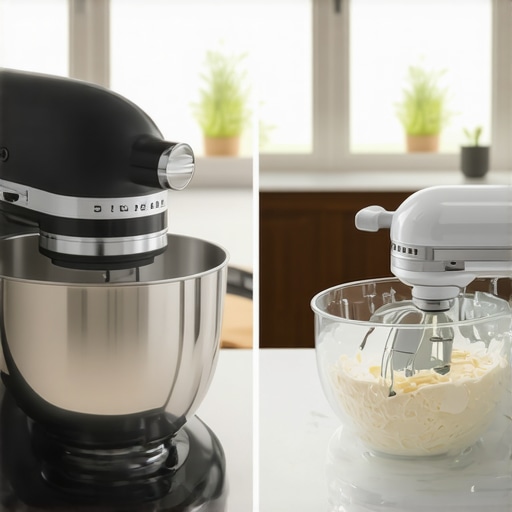
I still remember the first time I tried making bread from scratch. I grabbed my trusty hand mixer, eager to whip up that perfect dough, only to find myself battling with a stubborn, lumpy mixture that refused to cooperate. It was a lightbulb moment—realizing that my equipment might be holding me back. That frustration is all too familiar for many home bakers, and it highlights a common dilemma: Should you choose a stand mixer or stick with a hand mixer for your baking adventures?
Why This Decision Matters More Than You Think
The right mixer can make or break your baking experience. A powerful stand mixer can handle heavy doughs effortlessly and save you from arm fatigue. Conversely, a lightweight hand mixer offers portability and convenience, perfect for quick whisking tasks. But how do you decide which one aligns with your baking style? That’s what we’re diving into today. I’ll share my personal insights, common pitfalls, and resources to help you make an informed choice. If you’re tired of struggling with mixers that just don’t cut it, you’re in the right place. Want to skip the guesswork? Check out the ultimate guide to choosing the best baking mixer for detailed comparisons and expert tips.
Is a Stand Mixer Actually Worth the Hype?
I used to think a stand mixer was just a luxury, not a necessity. My early mistake was assuming I could get by with a cheap, small hand mixer for everything. Turns out, that was a rookie error. A good stand mixer can knead dough that would exhaust even the most determined arm, and it does so with minimal effort on your part. If you’re serious about baking, investing in a quality stand mixer can elevate your skills and reduce frustration. For specific advice on how to choose the right one, I recommend reading this comprehensive guide.
Now, I want to hear from you. Have you ever faced a situation where your mixer just couldn’t keep up? Or maybe you’re wondering if splurging on a stand mixer is justified? Share your stories below, and let’s figure out the best tool for your baking needs together. Because, trust me, the right mixer can turn your kitchen chaos into baking bliss.
Choose Your Weapon for Mixing
Start by assessing your typical baking projects. For dense doughs like bread or pizza, a stand mixer with high torque and powerful motor is essential. I once tried to knead a large batch of bread dough with my hand mixer, only to realize it was a mistake—the motor strained, and I ended up with uneven kneading. Instead, I recommend investing in a stand mixer that can handle tougher tasks without breaking a sweat. For lighter tasks such as whipping cream or mixing cake batter, a good hand mixer can do the job quickly and conveniently, especially if storage space is limited.
Matching Tasks to the Right Equipment
Understanding which mixer suits each task is vital. Use a stand mixer for heavy, prolonged mixing like kneading or large batch whipping. The motor’s torque and stability make this effortless. When it comes to whisking eggs or making small batches of frosting, a hand mixer offers flexibility and speed. To get a clear picture of the technical differences, check out this detailed comparison.
Mastering Whisk Attachments
Whisk attachments are a crucial factor in your decision. Stand mixers often come with a variety of whisking options that can handle stiff peaks or gentle folding. When I first experimented with my stand mixer’s whisk, I achieved perfect meringue in minutes, a task that took twice as long with my hand mixer. For more tips on choosing the best attachments, see this guide.
Power and Speed Settings Matter
Pay attention to motor power and speed options. A stand mixer with multiple speed settings allows precise control, essential for delicate tasks like folding in flour or gently mixing batter. My experience shows that lower speeds prevent splattering, while high speeds are perfect for whipping. When selecting your equipment, consider the task-specific features. For example, these insights can guide you to the best choice.
Ease of Use and Maintenance
Using a stand mixer involves some setup but pays off in consistency and power. After use, cleaning the attachments and bowl is straightforward, but the machine itself requires occasional maintenance. With a hand mixer, cleanup is quick, but you might tire your arm during prolonged tasks. Consider your baking frequency and the types of recipes you prefer. For more on choosing the right tool, visit this comprehensive guide.
Final Tips for Optimal Use
Always use the correct attachments for the task—whisk, paddle, or dough hook. Start at low speed to prevent splashing, then increase gradually. For heavy doughs, let the stand mixer do the work; resist the temptation to overmix or speed through tasks with a hand mixer, as this can lead to uneven results. With practice, you’ll learn the nuances that maximize each tool’s strengths, transforming your baking from good to great.
Many home bakers fall into a common trap when selecting their mixing equipment: relying solely on surface-level features or popular opinions without understanding the deeper nuances. The truth is, there are subtle yet impactful aspects of mixers that often get overlooked—factors that can dramatically influence your baking success and equipment longevity.
One widespread myth is that more powerful motors always mean better performance. While a high wattage can handle tougher doughs, it doesn’t guarantee precision or durability. In fact, some high-powered models may struggle with delicate tasks if their design isn’t optimized for finesse. Conversely, some less powerful mixers excel at gentle mixing because of superior build quality and thoughtful engineering. My advice? Focus on torque and control rather than just raw power. You can find detailed insights about this in this guide.
Another mistake many make involves the attachments. It’s a common misconception that all whisk or paddle attachments are compatible across brands. In reality, using incompatible accessories can lead to poor performance or even damage your mixer. This is especially true for premium stand mixers that often have proprietary attachment fittings. Always verify compatibility before investing in extra attachments, and consider models that offer versatile, standard fittings to maximize your investment. For a comprehensive look, see this resource.
Is Higher Speed Always Better for Precision?
This question trips up many advanced bakers. While higher speeds can whip cream or beat egg whites quickly, they can also cause over-mixing or splattering if not controlled carefully. Modern mixers with variable speed settings empower you to adjust precisely for each task, but many users neglect this feature, relying instead on the maximum setting. This oversight can lead to inconsistent results or even damage to your ingredients. Mastering speed control is key to baking finesse. For expert advice, check this detailed comparison.
Finally, don’t underestimate the importance of maintenance. A common mistake is neglecting regular cleaning and lubrication, which can shorten your equipment’s lifespan. High-quality models often come with specific maintenance routines that, if ignored, diminish their performance over time. Developing a maintenance habit ensures your mixer stays reliable and efficient for years to come. For more detailed tips, visit this ultimate guide.
In summary, choosing the right mixer isn’t just about power or brand reputation. It’s about understanding the nuanced features—compatibility, control, maintenance—that can make a real difference in your baking journey. Have you ever fallen into this trap? Let me know in the comments!
Maintaining your mixing tools and equipment is crucial for consistent baking results and extending their lifespan. From regular cleaning routines to strategic upgrades, how you care for your gear can make a significant difference in your baking journey. I personally swear by a few key practices that keep my stand and hand mixers performing like new, and I recommend them to every home baker aiming for long-term success.
Why Regular Maintenance Matters for Your Mixers
Over time, flour dust, sugar residue, and grease can accumulate in and around your mixers, impacting performance and hygiene. Regular cleaning prevents clogs, corrosion, and mechanical failures. For my stand mixer, I make it a point to wipe down the exterior after every use with a damp cloth, and I clean the attachments thoroughly with warm, soapy water. For the motor housing, I avoid spraying water directly and instead use a slightly damp cloth to prevent moisture from seeping into electronic components.
Additionally, lubricating the moving parts periodically, as recommended by the manufacturer, keeps everything running smoothly. I follow the maintenance routines outlined in this comprehensive guide, which emphasizes that proper upkeep not only prolongs the life of your equipment but also maintains optimal performance.
Tools I Recommend for Maintenance and Upgrades
One tool I find indispensable is a set of high-quality silicone spatulas and brushes. They help in cleaning tight corners of the attachments and ensuring no residue is left behind. For lubricating parts, I use a small amount of food-grade silicone spray, which is safe and effective at reducing wear and tear.
Upgrading attachments can also enhance your equipment’s versatility. I invested in a set of universal, high-quality beaters and dough hooks compatible with my stand mixer. They are more durable and provide better results compared to the stock options. When choosing attachments, always verify compatibility through detailed guides like this resource.
How do I maintain my equipment over time?
Scheduling routine inspections and cleanings is key. I set a monthly reminder to check for signs of wear, tighten any loose parts, and replace worn-out attachments. Additionally, storing your mixers in a dry, dust-free environment prevents corrosion. Investing in a dedicated stand or storage box keeps everything organized and ready for your next baking session. For more detailed advice, check out this guide.
Looking ahead, I predict that smart, IoT-enabled mixers with self-diagnosis features will become more prevalent, making maintenance easier and more proactive. Until then, sticking to these tried-and-true routine care practices will ensure your equipment remains reliable for years to come. Don’t forget to try out my tip of regularly lubricating moving parts with food-safe silicone spray — it’s a game changer for longevity and smooth operation. Your baking deserves the best tools working flawlessly behind the scenes.
The Hardest Lesson I Learned About Choosing the Right Mixer
One of my most valuable insights came from a frustrating experience with a cheap hand mixer struggling to knead bread dough. It taught me that investing in a high-quality stand mixer isn’t just about convenience—it’s about achieving consistent results and avoiding burnout. I also realized that more power doesn’t always mean better performance; torque and control matter more than wattage. Lastly, I learned that compatibility of attachments can make or break your baking routine, so always double-check before expanding your toolkit.
My Essential Toolkit for Baking Equipment Excellence
For anyone serious about baking, I highly recommend this comprehensive guide which helped me understand what features truly matter. I also trust the detailed comparison of stand vs. hand mixers for making informed decisions. Lastly, I rely on quality attachments from reputable brands to maximize versatility and durability in my baking arsenal.
Embrace Your Baking Journey with Confidence
Now is the perfect time to choose the right mixer for your needs and elevate your baking game. Remember, the key isn’t just in the equipment but in how you use and maintain it. With the right tools and mindset, you can transform your kitchen chaos into baking brilliance. So, what’s one baking challenge you’re eager to overcome with the perfect mixer? Share your story below and start your journey toward baking mastery today!

Reading this post really resonated with my own baking journey. I started with a basic hand mixer, thinking it would suffice for everything, but quickly realized its limitations when attempting to make bread dough or large batches of batter. Upgrading to a stand mixer was a game-changer—especially for kneading heavy doughs without arm fatigue. The post’s emphasis on matching equipment to specific tasks is so important; I’ve found that a dedicated stand mixer saves me a lot of hassle during those tough, prolonged mixing sessions. One thing I’ve learned is to pay close attention to the attachments, especially for more delicate tasks like folding in ingredients or whipping egg whites, which really benefits from the right tools. What has been your experience with trying to juggle multiple attachments? Are there certain brands or models that offer the best versatility without breaking the bank? I believe the key is understanding your usual baking projects and choosing equipment that complements those needs.
Reading through this post really made me reflect on my own baking setup. I started with a basic hand mixer as well, and while it’s definitely handy for quick tasks, I quickly found that handling dense doughs or large batches was a real workout. Upgrading to a stand mixer changed everything—particularly with kneading bread dough. I think one key to choosing between the two is honestly assessing how often you’ll tackle tougher recipes. Personally, I love the versatility that a stand mixer offers with various attachments, especially for whisking and kneading. But I also appreciate how a hand mixer can be stored easily and used for smaller tasks. How do others decide when it’s worth investing in a high-end stand mixer versus sticking with a good hand mixer? Do you think your baking style has evolved to require more powerful equipment over time? Would love to hear thoughts on balancing price and functionality, especially for home bakers trying to get the most bang for their buck.
This post really highlights how vital it is to choose the right mixing equipment tailored to your baking needs. I remember starting with a basic hand mixer, which was okay for light batters, but struggled with heavier doughs. Upgrading to a sturdy stand mixer was one of the best decisions I made for bread baking and large batches. I’ve also found that investing in versatile attachments such as dough hooks and different whisks maximizes my equipment’s utility. A question I often ponder is whether to continuously upgrade or stick with a reliable mid-range model. For those just starting out or baking occasionally, do you think a high-end stand mixer is really worth the investment, or can a good quality hand mixer suffice for most tasks? I’d love to hear how others balance budget, versatility, and power when setting up their kitchens for baking.