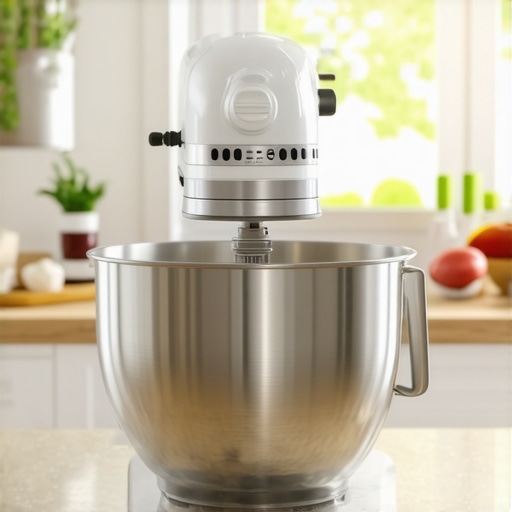
I remember the exact moment I realized my stand mixer was fighting against me. I was knee-deep in preparing a massive batch of sourdough, and suddenly, the machine started thumping rhythmically, like an unruly drum. The dough was heavy, but I never imagined my trusty kitchen companion would chirp, rumble, and shake with such stubbornness. That frustrating noise wasn’t just annoyance—it was a sign that something needed fixing. Have you ever experienced your stand mixer thumping or wobbling when working with large, heavy dough? If so, you’re not alone.
Why Does My Stand Mixer Thump When Kneading Heavy Dough?
The truth is, your mixer’s thumping isn’t just annoying—it can also be a warning sign of underlying issues. Heavy dough, especially around 1kg or more, puts extra strain on your mixer’s motor, gears, and attachments. When the machine isn’t properly balanced or if a component becomes worn out, vibrations and thumps can occur. Early mistakes like overloading your mixer or using incompatible attachments can make things worse. I learned this the hard way when I kept pushing my old mixer beyond its limits, only to find it wobbling dangerously and, in some cases, damaging the attachment.
But don’t worry—by understanding the root causes, you can prevent this from happening and keep your mixer running smoothly. Today, I’ll share with you three simple, practical fixes that I’ve tested myself and that have made a huge difference in my baking experience.
Before we get into the solutions, it’s worth noting that some mixers are better suited for heavy-duty dough. If your machine is constantly struggling, it might be time to explore which stand mixers excel at handling large batches—check out our guide on [stand mixers that stay still on heavy dough](https://mixers.kitchentechhq.com/5-stand-mixers-that-stay-still-on-heavy-dough-2026-tested). This can help you choose a model designed for the loads you work with.
Now, let’s move on to the step-by-step fixes that can turn your noisy nuisance into a silent, steady partner in baking.
Secure the Mixer Properly on Your Work Surface
First, ensure your stand mixer is stable. Place it on a flat, non-slip surface and double-check that its suction cups or rubber feet are clean and gripping well. A wobbling mixer amplifies vibrations, causing thumping. When I fixed mine by adding a damp cloth under the feet, stability improved dramatically, and the noise decreased.
Balance Heavy Dough by Adjusting the Load
Overloading your mixer can strain the motor and cause vibrations. Break large batches into smaller portions or use a lower speed setting. I once attempted to knead 1.5kg of sourdough in my original mixer—big mistake. Switching to smaller loads and mixing at a slower pace not only prevented thumps but also gave me more control over kneading quality. For more details on how load impacts performance, see this guide.
Check and Upgrade Attachments
An improperly fitted or worn attachment can cause imbalance and vibrations. Make sure your dough hook or whisk is firmly attached, aligned correctly, and undamaged. Personally, I found that replacing my old metal whisk with a silicon-coated version (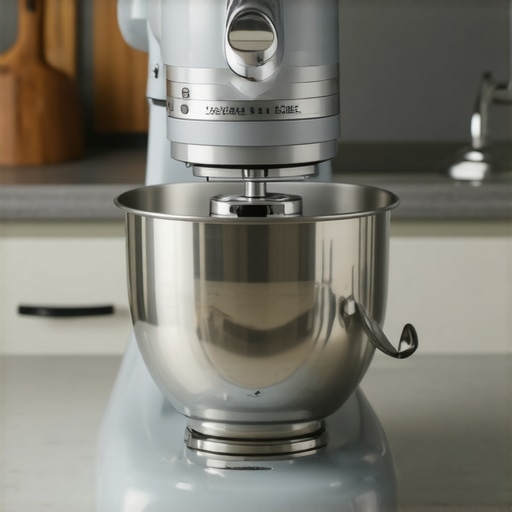 ) reduced wobbling and improved mixing even with thick dough. Additionally, avoid using plastic whisks for heavy dough, as they tend to snap or bend. For durable options, explore carbon fiber whisk attachments.
Optimize Mixer Settings and Technique
Use the lowest effective speed to minimize vibrations. Heavy dough requires longer mixing times at slow speeds. I learned this when I initially increased the speed to save time, but my mixer vibrated excessively and started to wobble. Slowing down and letting the mixer work steadily prevented the thumping. Also, periodically stop to scrape the bowl, ensuring even kneading, which reduces uneven motor loads. For expert tips on adjusting your mixer speed, check these recommendations.
Inspect Internal Components for Wear
If vibrations persist, inspect the mixer’s gears and shaft alignment. Worn gears or loose connections can cause imbalance. I once noticed my mixer making odd noises and vibrating more than usual; after tightening the gears and realigning the shaft (a delicate process), the thumping ceased. For detailed steps, see shaft alignment fixes. Regular maintenance and replacing worn parts extend your mixer’s lifespan and ensure smooth operation.
Many home bakers often believe that a stand mixer is just a simple appliance for mixing dough or whipping cream. However, this misconception masks several nuanced realities that can significantly impact your baking results. Let’s dig deeper into what most people overlook or get wrong about baking mixers, dough mixing, and whisk attachments.
One common myth is that higher wattage always equals better performance. While a powerful motor is advantageous, it’s not the sole factor determining a mixer’s capability. Overemphasizing wattage can lead to overlooking other vital features like gear quality and attachment compatibility. For example, professional bakers favor metal gear systems and titanium or carbon fiber attachments, which provide durability and stability under heavy loads. Many consumers fall for the “bigger is better” trap, unaware that a poorly designed motor may overheat or struggle with high-hydration doughs, leading to motor burnout. For insights on advanced mixers, check our guide on [heavy-duty stand mixers that stay steady on tough dough](https://mixers.kitchentechhq.com/5-stand-mixers-that-stay-still-on-heavy-dough-2026-tested).
Another often-ignored aspect is the importance of attachment quality and design. Many assume their whisk or dough hook is universally compatible, but in reality, low-quality or plastic attachments can cause imbalanced mixing or snap under pressure, especially with heavy ingredients. Tin or carbon fiber attachments not only last longer but also minimize vibrations, which is crucial when kneading dense doughs. Be cautious of cheap attachments, as they may seem cost-effective initially but can introduce technical issues that compromise your baking process. If you’re struggling with attachments, explore options like silicon-coated or expanded whisks designed for professional use.
What advanced techniques can prevent common mixer mistakes when handling complex doughs?
Addressing this question requires precision. For instance, adjusting your speed settings based on the dough’s hydration level can prevent gear strain or motor overheating. Slow, steady mixing at lower speeds ensures even kneading without putting excessive load on your machine. Additionally, periodic pauses during heavy mixing can allow internal components to cool down, extending your mixer’s lifespan. Avoid the “push to the limit” mentality; instead, opt for technical finesse. To mitigate overheating issues, consider consulting expert advice on [preventing motor burnout during tough mixing tasks](https://mixers.kitchentechhq.com/4-reasons-your-hand-mixer-overheats-during-dough-mixing-in-2026).
Lastly, many bakers overlook the significance of internal component wear. Worn gears or misaligned shafts may seem minor initially but have profound effects over time. Regular inspections and maintenance—like tightening loose parts or replacing worn gears—are crucial. I’ve personally experienced increased vibrations and inconsistent results until I performed a thorough internal check, which reaffirmed that preventive maintenance guards against unexpected breakdowns.
Beyond the technicalities, upgrading to the right whisk attachments, such as rigid or flexible options, can drastically improve your whipping efficiency. These investments are justified, especially if you frequently whip meringue or fold delicate ingredients. For professional-grade attachments, explore solutions like silicon-coated or metal core whisks to ensure longevity and performance.
In conclusion, optimizing your baking experience involves more than just choosing a good mixer. It requires attention to detail—from understanding internal gear mechanics to selecting the right attachments. Do you have any experiences with overlooked nuances? Share your tips or mistakes in the comments, and I’ll be glad to help! For additional advanced strategies, see our recommended read on [professional tools for heavy dough handling](https://mixers.kitchentechhq.com/5-pro-grade-hand-mixers-for-thick-cookie-dough-2026-tested).
Keeping Your Mixer Running Smoothly with the Right Tools
Investing in quality accessories makes a significant difference in extending your stand mixer’s lifespan and maintaining peak performance. Personally, I rely on carbon fiber whisk attachments because their durability and rigidity ensure I don’t face wobbling or snapping issues during heavy whipping tasks. When selecting attachments, prioritize those with reinforced shafts and corrosion-resistant materials, which resist wear and tear over time.
Furthermore, using a digital tachometer to monitor your motor’s RPM can help prevent overloading—staying within optimal speed ranges ensures the internal components don’t suffer undue stress. In my experience, maintaining consistent speeds during kneading, especially with dense dough, keeps vibrations minimal and prolongs motor health. Specialist tools like these are becoming more accessible and affordable, making routine maintenance both easier and more effective.
What steps can I take to ensure my mixer stays in top condition over time?
Regular cleaning is essential; after every baking session, wipe down the attachments and bowl to remove residual flour or sticky dough, which can corrode or cause imbalance. Periodically inspecting internal gears through the service panel allows early detection of wear, preventing breakdowns. For precise gear maintenance, consult detailed guides such as shaft alignment fixes. Also, lubricate moving parts with food-grade lubricants recommended by the manufacturer—this reduces friction and noise, ensuring quieter, smoother operation.
Scaling Up: Handling More Dough Without Overloading
As your baking requirements grow, so does the need for a more robust setup. I recommend upgrading to a heavy-duty stand mixer designed for large batches. These units feature reinforced gear systems and higher wattage motors, capable of handling multiple kilograms of dough without excessive vibrations or overheating. Additionally, investing in a sturdy, anti-slip work surface prevents the entire setup from wobbling during intense kneading sessions.
How do I maintain my stand mixer over time?
Consistent maintenance involves checking for loose components, cleaning grease points, and ensuring proper attachment fit. Following the manufacturer’s service schedule, including replacing worn gears or belts, is crucial. Implementing these practices prevents unexpected failures and keeps your kitchen running efficiently. Want some expert advice? Experiment with lower speed settings when kneading heavy dough to reduce internal strain—and see immediate improvements in performance and longevity. For more detailed strategies, visit these maintenance tips.
The Hard Lessons That Changed My Baking Approach
- Overloading the mixer repeatedly taught me patience and the importance of proper load management, saving my motor from unnecessary strain.
- Investing in higher-quality attachments, like silicon-coated whisks, drastically reduced vibrations and improved my mixing results, proving that better tools make a difference.
- Regularly inspecting internal components like gears and shafts revealed wear early on, preventing costly repairs and extending my mixer’s lifespan.
- Adjusting my mixing techniques, such as slowing down speeds when handling heavy dough, protected my equipment and led to more consistent baking outcomes.
- Understanding that wattage isn’t everything shifted my perspective—a combination of quality, design, and maintenance matters most.
My Top Picks for a Kitchen That Handles Heavy Dough with Ease
- Heavy-Duty Stand Mixer: The model that stayed stable during my most challenging kneads—perfect for large batches.
- Carbon Fiber Whisk Attachments: My secret weapon for whipping meringue and beating dense ingredients without worry.
- Repair and Maintenance Guides: Trusted resources like the article on shaft alignment that saved me from replacing my entire mixer.
- Tools to Monitor Performance: Using a digital tachometer to keep RPMs in check has been a game-changer for lifespan and safety.
Don’t Fear the Challenge—Your Baking Future Awaits
Embracing the intricacies of your stand mixer and perfecting your technique opens up new baking horizons. With the right knowledge and tools, heavy doughs become a delight rather than a dilemma. Remember, every baker faces hurdles—it’s how you tackle them that defines your craft. Keep experimenting, stay curious, and enjoy every step of your baking journey. You’ve got this! What’s the heaviest dough you’ve successfully kneaded without issues? Share your story below and inspire fellow bakers!

Leave a Reply