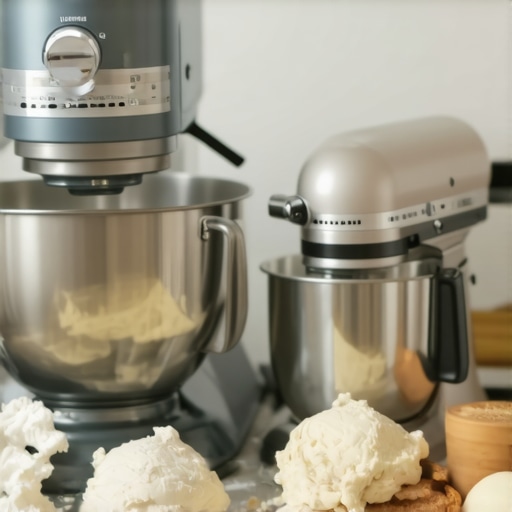
My Journey with Mixers: A Personal Tale of Baking Joy
Ever since I started baking seriously, I’ve been fascinated by the tools that make the process easier and more enjoyable. I vividly remember the first time I used a stand mixer to knead dough — it was a revelation. The power, consistency, and ease it brought to my baking sessions made me wonder: is a stand mixer truly better than a hand mixer, or vice versa? Today, I want to share my personal experiences and insights on this popular debate, especially for those passionate about perfecting their dough and baked goods.
Why I Initially Chose a Stand Mixer Over a Hand Model
When I first bought my stand mixer, I was drawn by its versatility and convenience. It allowed me to tackle large batches of bread dough without tiring my arms. The different attachments, like the dough hook and paddle, opened up a world of baking possibilities. I especially appreciated how it maintained consistent mixing, which is crucial for bread and pastry recipes. For me, the stand mixer became an essential companion for serious baking projects, especially when I was making bread or heavy doughs that required vigorous kneading.
The Pros of Using a Hand Mixer for Dough and Baking
However, I found myself reaching for my hand mixer for quick tasks or smaller batches. It’s lightweight, easy to store, and surprisingly powerful for its size. When I was short on time or space, the hand mixer proved to be a practical alternative, especially for whipping cream or mixing less dense batters. Plus, I could easily control its speed for delicate tasks, like folding in ingredients. For smaller households or occasional bakers, a hand mixer often strikes the perfect balance between convenience and power.
What Makes a Stand Mixer Superior for Dough?
From my experience, the stand mixer excels when it comes to kneading dough, especially for bread or pizza. The motor’s power, combined with the dough hook attachment, mimics the kneading process that would take ages by hand. According to culinary experts like those at King Arthur Baking (source), a good stand mixer can handle tough, sticky doughs with ease. It’s also less tiring physically, which means I can focus on other parts of my baking, like preparing fillings or decorating.
Is a Hand Mixer Still Worth It in a World of Stand Mixers?
Absolutely. For smaller jobs, quick fixes, or if you’re just starting out, a hand mixer offers simplicity and flexibility. It’s also more affordable and easier to clean. The key is to understand your baking habits and choose the right tool accordingly. If you’re planning to bake bread regularly, investing in a quality stand mixer might be worth it, but for occasional baking, a hand mixer could suffice.
If you’re curious about how to choose the best mixer for your needs, check out this comprehensive guide to selecting the right baking mixer. It helped me make an informed decision when I was shopping for my first mixer.
Do you prefer the power of a stand mixer or the agility of a hand mixer? I’d love to hear your experiences and tips in the comments below. Happy baking!
How Do Different Attachments Enhance Your Mixing Experience?
One often overlooked aspect of choosing the right mixer is the versatility offered by various attachments. A high-quality stand mixer typically comes with a range of tools such as the flat beater, wire whisk, and dough hook, each designed to optimize specific tasks. For example, the wire whisk is perfect for aerating batters or whipping cream, while the dough hook excels at kneading heavy doughs, saving you time and effort. Understanding which attachments are essential for your baking repertoire can make a significant difference in your results and efficiency.
Have I Fully Explored the Impact of Mixer Speed Settings on Baking Precision?
Many home bakers underestimate the importance of adjustable speed settings. Expert bakers recommend starting slow to combine ingredients and gradually increasing speed for aeration or whipping. Precise control over speed ensures delicate ingredients aren’t overmixed and that you achieve the desired texture. For instance, when folding in delicate batters or whipped cream, lower speeds prevent deflation or overmixing, leading to more professional results. When selecting a mixer, consider models that offer a broad range of speeds to match the complexity of your recipes.
The Material and Build Quality: A Hidden Key to Durability and Performance
Beyond motor power and attachments, the construction material of your mixer influences longevity and performance. Heavy-duty metal gears and durable motor housings ensure the appliance withstands frequent use, especially when handling thick doughs or large batches. Cheaper plastic components might seem appealing initially but could wear out quickly, leading to the need for replacements or repairs. For serious bakers, investing in a well-built mixer, perhaps from trusted brands like KitchenAid or Cuisinart, guarantees consistent performance over the years.
What Are the Practical Trade-Offs Between Size, Storage, and Power?
Size is an important consideration when choosing between a stand and a hand mixer. Larger stand mixers, while more powerful, require dedicated counter space, which might be a constraint in smaller kitchens. Conversely, compact hand mixers are easy to store but may not handle heavy, dense doughs effectively. The key is balancing your typical baking needs with your available space. If you bake frequently and in large quantities, a powerful, larger stand mixer could be a worthwhile investment, as discussed in this comprehensive comparison of stand and hand mixers.
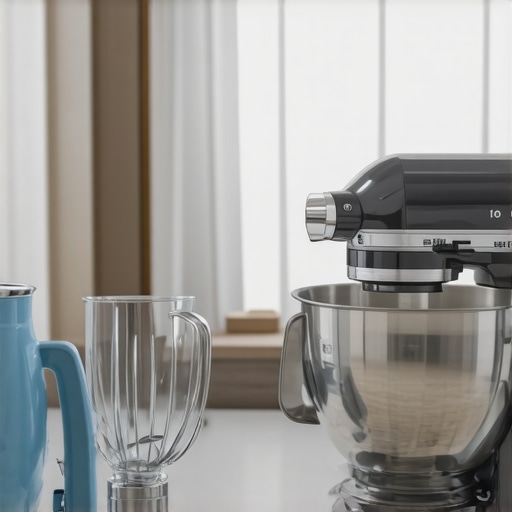
My Evolving Perspective on Mixer Choices: Beyond the Basics
Over the years, my relationship with baking tools has grown from simple experimentation to a nuanced understanding of how equipment influences not just the final product, but the entire creative process. I remember initially leaning heavily on my trusty stand mixer, captivated by its power and versatility. Yet, as I delved deeper into different baking projects, I discovered that the choice between a stand and a hand mixer isn’t merely about size or power — it’s about understanding the subtleties of each tool and how they align with my baking philosophy.
When I Realized the Value of Manual Control and Intimacy
One of the most profound lessons I learned was the importance of tactile control. While my stand mixer offers unmatched consistency, there are moments when I crave the intimacy of manually folding ingredients or whisking by hand. For delicate meringues or whipped cream, I often prefer to switch to a hand whisk, feeling the texture change with each gentle movement. This hands-on approach not only connects me more deeply with my ingredients but also allows me to catch subtle signs of overmixing or underwhipping, which can be critical for achieving bakery-quality results.
The Hidden Depths of Attachments and Speed Settings
When I explore the versatility of my stand mixer, I realize that the array of attachments and adjustable speeds are more than just convenience—they are essential tools that unlock advanced baking techniques. For instance, the flat beater is perfect for cookie doughs, but switching to the wire whisk at different speeds can drastically alter aeration levels. I’ve found that mastering the subtle interplay of speed and attachment choice can elevate my baking from good to exceptional. According to culinary experts, like those at this guide, understanding these nuances can be transformative.
How Do Material and Build Quality Influence My Daily Baking Rituals?
Choosing a durable, well-made mixer has become a personal priority. I’ve experienced the frustration of plastic gears wearing out or motors overheating during intensive kneading sessions. Investing in a sturdy, all-metal construction, like some models from KitchenAid, has proven to be worthwhile. It’s not just about longevity—it’s about trust. When I know my equipment can handle the demands of my recipes, I feel more confident taking creative risks, whether experimenting with sourdough or intricate pastry layers.
Balancing Power, Size, and Practicality: A Personal Dilemma
Living in a compact apartment, space constraints often influence my equipment choices. I’ve learned that a powerful but space-efficient stand mixer can be a game-changer, especially when I bake in large batches. Conversely, for quick tasks or small kitchens, a lightweight hand mixer offers unmatched convenience. This balancing act reminds me of an important lesson: there’s no one-size-fits-all. Your ideal mixer depends on your specific baking habits, space, and even your physical comfort. For a detailed comparison, I recommend exploring this resource.
Ultimately, my journey has shown me that the best tool is the one that complements your baking style and inspires your creativity. Whether you prefer the raw power of a stand mixer or the delicate control of a hand model, what matters most is how these tools serve your passion for baking. I encourage you to reflect on your own experiences—what has worked for you, what challenges you’ve faced, and how your tools have shaped your baking adventures. Share your stories in the comments below, and let’s learn from each other’s journeys.
Refining Technique: How Do Precision and Customization in Mixer Speed Settings Elevate Baking Outcomes?
Adjusting mixer speeds might seem straightforward, but for seasoned bakers, mastering the nuances can transform ordinary recipes into culinary masterpieces. Precise control over speed allows for delicate folding or vigorous kneading, depending on the ingredient and desired texture. For instance, gradually increasing speed during meringue preparation ensures optimal aeration without deflation, a technique emphasized by professional pastry chefs (source). Investing in a model with a broad, incremental speed range grants the flexibility needed for intricate baking tasks. Do you find yourself experimenting with speed settings to perfect your recipes? Share your insights or challenges in the comments—your experience may inspire fellow bakers to refine their craft.
The Impact of Material and Build: Beyond Aesthetics to Long-Term Performance
While motor power often steals the spotlight, the materials composing your mixer’s body and internal gears significantly influence durability and performance. Heavy-duty metal gears, such as those in premium KitchenAid models, withstand rigorous kneading and frequent use, ensuring consistent results over years. Conversely, plastic components, though lighter and often more affordable, may degrade or break under strain. I’ve learned through personal trial that investing in a well-constructed mixer not only saves money in repairs but also fosters confidence during complex baking projects like sourdough or layered cakes. For serious bakers, the choice of build quality becomes a cornerstone of baking success. Have you encountered equipment breakdowns that disrupted your baking flow? How did your choice of materials impact your experience?
Balancing Power and Practicality: Navigating Size, Space, and Performance
Living in a compact apartment taught me the importance of selecting a mixer that aligns with both my space constraints and baking ambitions. Larger, high-powered stand mixers excel at handling dense doughs but demand significant counter space and storage considerations. Conversely, compact hand mixers offer unmatched portability and ease of storage but may falter with heavy, large batches. My solution was to prioritize models with adjustable power settings and ergonomic designs, enabling me to tackle a variety of recipes without sacrificing convenience. This experience underscores that the ideal mixer is a personalized choice, balancing performance with practicality. Curious about how to optimize your kitchen setup? Explore this comparative guide for detailed insights tailored to diverse needs.
How Can Advanced Attachments and Accessories Unlock New Baking Possibilities?
Many professional-grade mixers boast an array of attachments that extend their functionality far beyond basic mixing. For example, pasta rollers, meat grinders, or even ice cream makers can turn a standard stand mixer into a multifunctional culinary hub. Understanding which attachments align with your baking and cooking ambitions can exponentially expand your creative repertoire. I’ve personally experimented with various tools, discovering that a spiralizer attachment, for instance, can inspire innovative vegetable-based baked dishes, adding a healthy twist to traditional recipes. To maximize your investment, choose a mixer compatible with a diverse range of accessories—many brands offer comprehensive sets that can elevate your kitchen prowess. Are you leveraging your mixer’s full potential? Share your favorite attachments and unexpected uses below, and let’s inspire each other to push culinary boundaries.
The Role of External Expertise in Selecting the Perfect Mixer
Despite extensive personal experience, consulting authoritative sources remains invaluable. Industry reviews, like those from trusted review sites, provide nuanced comparisons of features, durability, and value. These insights help refine choices, especially when balancing advanced features against budget constraints. I’ve found that combining personal anecdotal knowledge with expert opinions creates a comprehensive perspective, ensuring my investment aligns with my baking philosophy. If you’re contemplating an upgrade or exploring new equipment, I encourage you to delve into these resources and share your findings or questions—your curiosity can lead to breakthroughs in your baking journey.
Things I Wish I Knew Earlier (or You Might Find Surprising)
The Power of Personal Control
One surprising realization I had was how much manual control over mixing can enhance baking results. While my stand mixer is fantastic for heavy doughs, I found that folding ingredients by hand allows me to better gauge texture and avoid overmixing, especially with delicate batters. This tactile connection keeps me more engaged and helps me produce bakery-quality treats.
Attachments Are Game Changers
Using different attachments has opened new baking possibilities. For example, switching to the wire whisk when whipping cream or egg whites results in fluffier textures and better volume. I wish I had explored this aspect sooner—it truly elevates the quality of my baked goods and saves time in the process.
Speed Settings Matter More Than You Think
Adjusting the mixer’s speed carefully during different stages of mixing can make a big difference. Starting slow to combine ingredients and gradually increasing speed for aeration ensures even mixing and optimal results. It’s a simple technique that can turn good baking into exceptional baking, and I highly recommend experimenting with your machine’s speed range.
Material Quality and Durability Are Worth Investing In
In my experience, a sturdy, well-built mixer with metal gears lasts longer and performs more reliably. Cheaper plastic components might seem appealing initially but can wear out quickly, especially when kneading dense doughs. Investing in a quality model like KitchenAid has paid off in my baking journey, providing peace of mind and consistent results over years.
Size and Space Can Limit Your Choices
Living in a small apartment, I learned that larger stand mixers, while powerful, require significant counter space. Conversely, compact hand mixers are convenient but less capable for heavy-duty tasks. Finding the right balance depends on your baking frequency, space, and whether you prefer power or portability. It’s about customizing your tools to fit your lifestyle and needs.
Resources I’ve Come to Trust Over Time
- King Arthur Baking: Their comprehensive guides on kneading and mixer use are invaluable for understanding the nuances of bread baking and equipment choice. I recommend their kneading guide for beginner and seasoned bakers alike.
- Serious Eats: Known for detailed tests and expert advice, their articles on mixer comparisons and baking techniques helped me make informed decisions. Their reviews are thorough and trustworthy.
- America’s Test Kitchen: Their unbiased product reviews and baking tips are a goldmine for home bakers. I trust their recommendations when considering new equipment or techniques to try.
Parting Thoughts from My Perspective
Choosing between a stand mixer and a hand mixer doesn’t have to be an either/or decision. From my personal journey, I’ve learned that understanding your specific baking style and needs is key. A stand mixer offers power and versatility for serious projects, while a hand mixer provides agility and convenience for quick tasks. The most valuable insight is to see these tools as complements rather than competitors, each adding value depending on the moment. If this resonates with you, I’d love to hear your own experiences and tips—baking is all about experimenting and learning together. Feel free to share your thoughts in the comments, and happy baking!

Reading through this personal journey really resonated with me. I started my baking adventures with a small hand mixer, mainly because of space limitations and price. But I quickly realized that for heavier doughs, like bread or pizza, it often struggled, and I’d have to switch to manual kneading, which was tiring. Investing in a decent stand mixer changed my baking game entirely. It’s fascinating how the right tools can influence not just the outcome but also the process—making it more enjoyable and less frustrating. One thing I’m curious about is attachment versatility; I’ve seen some models compatible with pasta makers or ice cream makers. Do you think expanding the attachment options can justify a higher price point? Or should beginners sticking to basic mixers focus on mastering the core functions first? I’d love to hear thoughts from fellow bakers on how they’ve expanded their equipment over time and how it impacted their baking experience.
Your personal story caught my attention because I’ve had a very similar experience when I first started baking. Switching from a small hand mixer to a stand mixer truly transformed how I approach baking, especially for kneading bread or tackling large batches. I’ve also found that while the stand mixer is fantastic for heavy-duty tasks, the versatility of attachments really broadens its use—pasta rollers, meat grinders, or even ice cream makers. In your opinion, do you think investing in those extra attachments is worth the higher price, or should a beginner first get comfortable with core features before expanding? For me, the key was understanding what I truly needed and how much space I was willing to dedicate. Also, I’ve noticed that powerful models tend to last longer and withstand more frequent use. Have you faced any durability issues with attachments or the machine itself after a few years? I believe that choosing equipment that matches your baking goals really enhances the overall experience and confidence in the kitchen.
Reading about your experiences really resonated with me, especially the part about manual control during delicate baking processes. I’ve found that sometimes, even with a powerful stand mixer, I prefer to fold ingredients by hand, especially when making light and airy desserts like soufflés or mousse. It gives me a better feel for the texture and helps prevent overmixing, which can deflate the batter. But I’m curious—do you think that relying solely on machinery might cause bakers to lose some of that tactile skill that’s essential for highly delicate recipes? Also, with all the different attachments available nowadays, I wonder if expanding accessory options really justifies the higher price point, or if beginners should focus first on mastering basic features and techniques. How do other bakers balance the use of automation versus manual skill in their routines? Would love to hear your thoughts on finding that perfect harmony for optimal baking results.
Reading your reflections really resonated with me, especially the part about manually folding ingredients for delicate textures. I’ve found that while my stand mixer is fantastic for kneading heavy doughs, I still prefer doing some steps by hand to feel the batter’s consistency and avoid overmixing. It’s a bit of a balancing act—trusting the machine for power but relying on tactile control for finesse. I wonder, how do others decide when manual intervention enhances their baking quality versus when to let the machine take over? I’ve noticed that mastering manual skills early on can be invaluable, especially for recipes like soufflés and mousses that require gentle handling. Do you think investing in a good stand mixer might overshadow the essential manual skills that make baking more intuitive? It’d be interesting to hear how different experiences shape your approach.
Reading this post really made me reflect on how my perspective shifted as I moved from relying solely on my hand mixer to investing in a sturdy stand mixer. Initially, I thought a hand mixer was all I needed for small batches, but once I tried kneading heavier doughs, I realized the power and consistency a stand mixer brings are unmatched. It has truly streamlined my baking, especially for bread-making, which used to be quite tiring. That said, I still appreciate the versatility of my hand mixer for quick tasks, like whipping cream, where manual control offers a delicate touch. It’s interesting how each tool has its own place depending on the task. How do others find the balance between using automation for efficiency and manual techniques that cultivate a deeper connection with ingredients? I’d love to hear your thoughts on when to opt for one over the other, particularly for beginners trying to develop their skills.
This post really hits home for me, especially the part about balancing the power of a stand mixer with the tactile control of hand mixing. I’ve recently started experimenting more with manual folding and whipping because I enjoy that hands-on connection, but I still rely heavily on my stand mixer for kneading and heavy doughs. I find that knowing when to switch between these methods helps me produce better textures and flavors. It makes me wonder—how do other bakers decide when to reach for their mixer versus doing it manually? Do you think there’s an advantage to mastering manual skills first before investing in a high-powered machine? I’d love to hear how experienced bakers manage this balance and what tips they might have for enhancing both skills in the kitchen.
This post really resonated with me, especially after I recently upgraded from a small hand mixer to a mid-range stand mixer. I found that the difference in handling heavy doughs and large batches is night and day, making my baking sessions much more enjoyable. However, I still love using my hand mixer for quick tasks like whipping cream or light batters. It’s interesting to see how each tool has its unique advantage, and I think the key is understanding when to use each. I’ve always wondered if there’s a point where investing in multiple attachments becomes worthwhile, or if it’s better for beginners to master core functions first before expanding their toolkit. Does anyone have experience with this? Also, how do others decide when to switch from automation to manual techniques, especially for delicate recipes? I believe balancing both approaches can really elevate the quality of baked goods, but finding that harmony is something I’m still working to perfect.