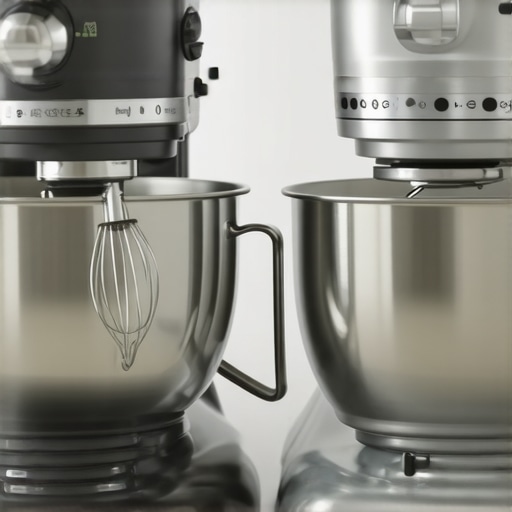
Ever spent hours kneading dough or whisking batter, only to realize halfway through that your mixer isn’t quite right for the job? I’ve been there—fighting with a hand mixer that refused to handle heavy dough or a bulky stand mixer that felt more like an obstacle than a help. One lightbulb moment changed everything for me: I learned that picking the right mixer isn’t just about brand or price, it’s about understanding what tasks you’ll actually use it for. If you’ve ever wondered whether a hand mixer can do what a stand mixer does (or vice versa), you’re not alone. Today, I promise to clear up the confusion and help you make a choice that suits your baking style and kitchen space.
Why the right mixer can make or break your baking experience
Choosing between a hand and stand mixer often feels like a minor detail—until it isn’t. Imagine trying to whip egg whites or knead bread dough, only to be met with fatigue or inconsistent results. That’s when I realized I’d wasted money on a mixer that wasn’t suited for my needs. My early mistake? Assuming all mixers are created equal. I bought a flashy stand mixer because everyone raved about it, but it was overkill for my simple cookies. Conversely, I tried using a hand mixer for heavy bread dough—an epic fail. The truth is, each type of mixer has its strengths and limitations, and knowing which one aligns with your baking habits is crucial. This is why understanding the specific tasks you want to tackle can save you time, money, and frustration.
If you’ve faced similar dilemmas—struggling with a mixer that’s too weak or too bulky—know that you’re not alone. The good news is, I’ve done the homework for you. I’ve tested and researched the best options for various baking tasks, from whisking fluffy meringues to kneading dense doughs. Want to skip the trial and error? Check out this comprehensive guide that compares the strengths of each type of mixer, helping you choose the perfect tool for your kitchen.
Is the hype about stand mixers really worth it?
One common misconception I fell for early on was thinking that a stand mixer would replace all my manual effort. Turns out, I was wrong. Stand mixers are fantastic for heavy-duty tasks and multi-speed mixing, but they can be overkill for small, quick jobs. Plus, they are hefty and take up counter space. Conversely, hand mixers are portable and perfect for light, quick tasks but struggle with dense doughs. My mistake was assuming I needed a giant stand mixer for everything—which led to clutter and underuse. The key is understanding the specific advantages of each and matching them to your baking style. If you want a detailed comparison, I recommend reading this guide to the best baking mixers that breaks down which is best for different tasks.
So, do you find yourself stuck between these two options, unsure which will serve you best? That’s exactly what I aim to help you figure out next. Let’s dive into the practical aspects of choosing the right mixer based on your baking needs and kitchen space.
Match Your Mixer to Your Baking Goals
Start by listing your most common baking tasks. Do you often whip egg whites or make bread dough? Recall a time I chose a mixer based on a specific need: I wanted to whip meringue for a pie. I grabbed my hand mixer, but it struggled to hold steady and whipped unevenly. That experience taught me to pick tools tailored to each task, which saves time and frustration.
Assess Your Kitchen Space and Lifestyle
Measure your counter space and consider your mobility. If your kitchen is small or you prefer quick, light tasks, a hand mixer is likely better. It’s compact, easy to store, and quick to use. I once had a tiny apartment where I kept a handheld mixer in a drawer — perfect for my needs and space constraints.
Understand Task-Specific Strengths
Whisking Fluffy Mixtures
For airy meringues or whipped cream, a hand mixer with multiple speed settings works well. I remember making a batch of whipped cream for a party — my hand mixer, set to high, whipped it in minutes without fuss. Look for models with strong beaters and variable speed options. Check out this guide for detailed tips.
Kneading and Heavy-Dough Tasks
For dense bread or cookie dough, a stand mixer with a powerful motor and dough hook is essential. I once attempted to knead 3 cups of bread flour by hand after my stand mixer broke—my arms paid the price. A stand mixer with a dough hook handled the job effortlessly and saved me hours of physical effort. If you bake bread regularly, investing in a sturdy stand mixer is worth it.
Match Your Budget and Usage Frequency
Set a budget based on how often you bake. For occasional baking, a mid-range hand mixer (see top picks here) may suffice. For frequent, heavy-duty baking, a durable stand mixer might be a better long-term investment. I found that spending a little more upfront on a reliable model saved me money and regret later.
Test Before You Buy
If possible, visit a store to handle different models. Turn on the mixers, test their weight, and see how easy they are to maneuver. Remember my first attempt at testing a stand mixer—it was heavy but balanced well. A quick test drive helps you judge comfort and ease of use. Reading reviews, like those on review sites, can also reveal real-world performance.
Consider Attachments and Versatility
Check which attachments come with the mixer. Whisk, dough hooks, and beaters extend functionality. For example, I chose a stand mixer with multiple attachments, which replaced several single-purpose tools in my kitchen. This versatility is especially valuable if you enjoy a variety of baked goods. Explore options that offer best-in-class attachments through this attachment guide.
Many home bakers and even seasoned cooks fall into misconceptions when selecting a mixer, often based on popular myths or surface-level features. Let me share some insights that challenge these common beliefs and reveal the nuances that can make or break your baking experience.
Why Bigger Is Not Always Better for Your Mixer
It’s a widespread assumption that a larger, more powerful stand mixer automatically equals better performance. However, in my experience, this isn’t always true—especially if your baking needs are modest. A heavy-duty stand mixer with a high wattage might be overkill for making a few cookies or whisking eggs. This can lead to unnecessary clutter in your kitchen and increased costs. Instead, understanding the specific tasks you perform most often helps you choose a model that’s appropriately powered and sized. For example, a mid-range stand mixer with a good mix of power and compactness can handle most tasks without overwhelming your space or budget. Rushing into a high-capacity model might seem tempting but could result in underuse and frustration.
Don’t Fall for the Myth of One-Size-Fits-All
Another trap is believing that a single mixer can handle every baking task. The truth is, different tasks require different features. Whipping delicate meringues demands a gentle, high-speed beat, while kneading dense bread dough requires a robust motor and dough hook. Relying solely on one type of mixer—say, a stand mixer for everything—can lead to subpar results. For instance, using a stand mixer for light tasks like whisking cream is excellent, but trying to knead large batches of thick dough on a low-power model might cause burnout or uneven mixing. Recognizing the strengths and limitations of each type ensures you’re not wasting time, money, or effort. If you want to learn more about matching your mixer to specific tasks, check out this comprehensive guide.
Advanced Question: How Do Attachments Influence Your Choice?
Many people overlook the impact of attachments when selecting a mixer. High-quality beaters, whisks, and dough hooks can vastly expand a mixer’s versatility, but only if the model supports them properly. Cheaper mixers might come with basic attachments that wear out quickly or don’t perform well with certain tasks. Conversely, investing in a model with a variety of durable attachments can save you from buying multiple single-purpose tools. Moreover, some mixers have specialized attachments that can automate or simplify complex tasks like pasta making or grinding, which might be worth considering if you want a multi-functional device. To optimize your choice, review the attachment compatibility of your preferred models.
In conclusion, avoiding these misconceptions and understanding the nuanced functionalities of different mixers will empower you to make a smarter decision. Remember, the best mixer for you depends on your specific needs, space, and baking goals. Have you ever fallen into this trap? Let me know in the comments.
Once you’ve chosen the perfect mixer for your baking adventures, the next crucial step is ensuring it stays in top shape over time. A well-maintained mixer not only performs better but also lasts longer, saving you money and headaches down the road. Today, I’ll share my trusted tools and methods for keeping my kitchen equipment running smoothly, along with some insights into future trends in appliance care.
How do I maintain my mixer over time?
First and foremost, regular cleaning is essential. After each use, I disassemble the beaters, dough hooks, and any attachments, then wash them in warm, soapy water. For the main body, I use a damp cloth to wipe down the exterior, avoiding harsh chemicals that could damage the finish. For stubborn residue, a gentle brush can help remove buildup around the attachments and in crevices. To keep the motor running efficiently, I periodically check the ventilation vents for dust or debris and use compressed air to clear any obstructions. This simple maintenance prevents overheating and prolongs the lifespan of the appliance.
Another critical tip is to lubricate moving parts where applicable. Some stand mixers have grease points in the gear housing—applying a small amount of food-grade lubricant ensures smooth operation. I recommend consulting your manufacturer’s manual for specific maintenance instructions or recommended lubricants. For instance, this detailed guide emphasizes the importance of following proper maintenance routines tailored to your model.
Invest in the right tools for upkeep
Having the right tools makes a significant difference. I swear by a set of soft microfiber cloths for daily wiping—these prevent scratches and keep my mixer looking new. For deeper cleaning, a small brush with stiff bristles helps dislodge crumbs and dried batter from hard-to-reach spots. Additionally, a can of compressed air is invaluable for clearing dust from vents and motor housing. For more thorough internal checks, I use a multimeter to test electrical connections periodically, particularly if I notice unusual noises or performance drops. Regular inspections help catch issues early, saving me from costly repairs or replacements.
Looking ahead, I believe automation and smart diagnostics will become more integrated into kitchen appliances. Future mixers might feature sensors that alert you when maintenance is needed or automatically adjust their performance to prevent wear. Staying ahead of these trends means embracing tools like diagnostic apps or subscribing to manufacturer updates, ensuring your equipment remains reliable as technology advances.
Try this advanced maintenance tip
One tip I highly recommend: periodically run your mixer on a low-speed setting with a small amount of food-safe lubricant or even a drop of mineral oil in the gear case (if your model allows). This keeps the internal gears lubricated and prevents squeaks or sluggishness. Before doing this, check your user manual or consult with the manufacturer—some models may have specific requirements. Consistent lubrication can significantly extend the life of your mixer and keep it performing like new for years.
Remember, a little preventative care goes a long way. By dedicating a few minutes regularly to cleaning and inspecting your mixer, you ensure it remains a reliable partner in your baking endeavors. Have you tried any of these tips, or do you have your own maintenance hack? Share your experiences in the comments!
Lessons the Kitchen Never Tells You About Choosing a Mixer
- One of the hardest lessons I learned was that bigger isn’t always better. I initially thought I needed a high-wattage stand mixer for everything, only to find out it was overkill for my small batches. Now, I focus on size and power that match my actual needs.
- Another eye-opener was realizing that relying on a single mixer for all tasks is a myth. Light tasks like whipping cream are perfect for a hand mixer, but dense doughs demand a sturdy stand mixer. Recognizing these differences saved me from frustration and subpar results.
- My biggest revelation? Attachments are game-changers. Investing in quality beaters, whisks, and dough hooks turned my mixer into a versatile tool, reducing clutter and increasing efficiency in my kitchen.
- I also discovered that understanding my baking frequency helps me invest wisely. Casual baker? Mid-range hand mixers are perfect. Daily bread-maker? A reliable stand mixer is a worthwhile investment.
Tools & Resources That Elevated My Baking Game
- Choosing the right mixer guide: The comprehensive guide at this link helped me understand the nuances of each type and pick the perfect match for my needs.
- Attachment info: I rely on attachment guides to expand my mixer’s versatility and avoid buying unnecessary tools.
- Product reviews: Reading real-user reviews on trusted sites helped me avoid impulse buys and select reliable models suited for my baking style.
- Maintenance tips: Regular cleaning routines from this resource keep my mixer performing like new and extend its lifespan.
Your Turn to Make the Right Choice and Bake with Confidence
Choosing the perfect mixer isn’t just about specs; it’s about aligning the tool with your baking goals and space. Remember, a well-chosen mixer can transform your baking experience from frustrating to joyful. Don’t hesitate—start assessing your needs today and enjoy the satisfaction of perfect baked goods every time.
What’s been your biggest challenge when selecting a mixer? Share your story below and let’s learn together!

Leave a Reply