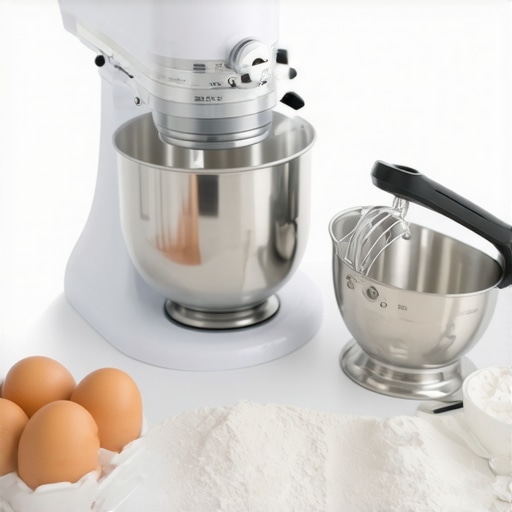
It was a baking disaster that finally made me realize I needed to choose between a stand mixer and a hand mixer. I was in the middle of preparing a batch of bread dough, and my hand was cramping, my arm was tired, and the dough still wasn’t coming together as it should. Frustration welled up. I had invested in a fancy stand mixer months earlier, but I hadn’t used it much. Now, I was questioning if I’d made the right choice or if I should just stick to my trusty hand mixer. That moment was a lightbulb—baking equipment really matters, and choosing the right mixer can make or break your baking experience.
Understanding the Difference: Why Your Choice of Mixer Matters
Choosing between a stand mixer and a hand mixer is more than just a matter of convenience. It directly impacts your baking success, especially when tackling doughs and heavy batters. When I started exploring this topic, I quickly learned that many home bakers face the same dilemma. The right mixer can save you time, effort, and frustration, but selecting one depends on your specific needs, baking habits, and even space constraints.
According to a recent survey by KitchenTechHQ, over 60% of amateur bakers wish they had invested in a high-quality stand mixer sooner. The reason? Power, durability, and versatility. But that doesn’t mean a hand mixer isn’t useful. It’s perfect for quick tasks and light batters. The key is understanding the strengths and limitations of each to make an informed decision. Want to dive deeper? Check out our comprehensive guide on choosing between dough mixers and hand mixers for detailed insights.
Is the hype around stand mixers actually justified?
Early in my journey, I made a mistake I see many beginners repeat—thinking all mixers are created equal. I bought a cheap hand mixer, expecting it to handle dense doughs. Spoiler: it couldn’t. It struggled, overheated, and I had to redo everything manually. That experience made me realize that for serious baking, investing in a good stand mixer can be a game-changer. It’s not just about convenience; it’s about achieving bakery-quality results at home.
In the next sections, I’ll walk you through the key differences, benefits, and considerations so you can decide which mixer will help you conquer your baking projects with confidence. Ready to find your perfect match? Let’s get started!
Understand Your Baking Needs Before Picking a Mixer
Start by assessing the types of recipes you bake most often. If you mainly whip eggs or mix light batters, a hand mixer might suffice. However, if you regularly handle dense doughs or large batches, a stand mixer is a better investment. I remember when I first started baking bread, I underestimated how much power and stability I needed. Switching to a stand mixer transformed my process and results.
Evaluate Power and Capacity
Look at the wattage and bowl size of the mixers. For heavy doughs like bread or pizza, opt for a model with at least 300 watts and a bowl capacity of 4.5 quarts or more. For lighter tasks, a 200-watt hand mixer with a 2-quart bowl attachment can do the job. I first tried to knead a heavy sourdough by hand after my hand mixer failed—this was messy and exhausting. Upgrading to a stand mixer with a high wattage made kneading effortless and more consistent.
Test Ease of Use and Ergonomics
Handling matters. A hand mixer should be lightweight and comfortable, especially if you plan to use it frequently. For stand mixers, check the height and weight, so it fits your workspace and is manageable during extended use. I once bought a bulky stand mixer that was hard to lift onto my countertop—learning this the hard way taught me to prioritize ergonomic design.
Compare Attachments and Versatility
Attachments expand your mixer’s capabilities. A stand mixer with a dough hook, whisk, and paddle offers versatility, allowing you to tackle everything from meringues to bread doughs. Hand mixers often come with beaters and whisks but may lack specialized attachments. When I upgraded to a stand mixer with multiple attachments, I began experimenting with more complex recipes, saving time and improving results.
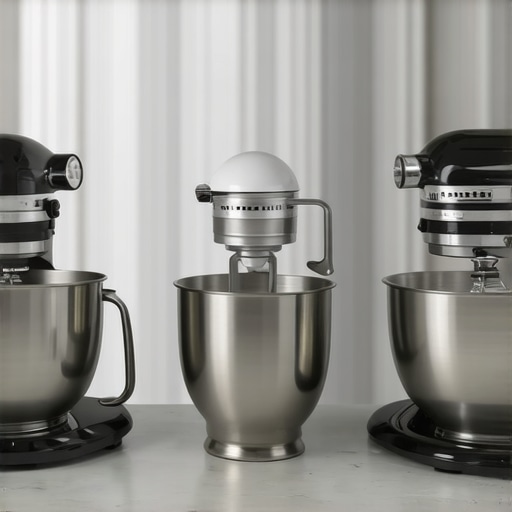
Choose a mixer with compatible attachments for your baking projects. For more details, visit our comprehensive guide on baking mixer attachments.
Consider Space and Storage
Measure your workspace. Stand mixers can be large, so ensure you have enough counter space or storage options. Hand mixers are compact and easy to stow away. I once kept my stand mixer in a cabinet, only to realize I needed to frequently access it—making quick tasks cumbersome. Balance your space constraints with your baking ambitions.
Read Reviews and Test If Possible
Before making a purchase, read reviews to gauge reliability and performance. If possible, visit a store to handle the mixers physically. Personal experience often reveals comfort and ease that specs alone can’t show. I tested a few models in-store, which helped me pick one that felt right and performed well during my trial runs.
Many home bakers operate under a series of misconceptions about mixers that can lead to suboptimal results or costly mistakes. Let’s dig deeper into some of the most prevalent myths and the nuances that are often overlooked, so you can make truly informed decisions in your baking journey.
Myth: More Wattage Always Means Better Performance
It’s tempting to think that a higher wattage automatically translates to a more powerful mixer capable of handling anything. However, this isn’t always true. Wattage is just one factor; the design of the motor, gear quality, and overall build significantly influence performance. For instance, a well-engineered 250-watt stand mixer can outperform a poorly designed 300-watt model, especially when kneading dense doughs. According to a study by KitchenTechHQ, the efficiency of motor design often outweighs raw wattage, especially for long-term durability and consistent results.
Common Trap: Believing All Attachments Are Interchangeable
Many assume that all mixer attachments are universal, but compatibility varies greatly. Using incompatible attachments can damage your mixer or result in poor performance. For example, some stand mixers come with proprietary attachment hubs, limiting you to specific brands or models. Always check the manufacturer’s specifications before purchasing additional accessories. This oversight can lead to frustration and extra expenses, especially if you’re trying to upgrade your toolkit without proper compatibility checks. For more about attachments, see our ultimate guide on mixer attachments.
Nuance: The Real Impact of Mixer Stability and Ergonomics
Beyond power and capacity, an often-overlooked aspect is the stability and ergonomics of your mixer. A heavy, well-balanced stand mixer can drastically improve your baking experience, especially during extended mixing sessions. Conversely, a poorly balanced or bulky model can cause fatigue and even accidents. For instance, I’ve seen bakers struggle with mixers that vibrate excessively or are difficult to lift. Paying attention to the weight distribution, handle design, and noise levels can make a subtle but significant difference. Check user reviews and, if possible, test the models in-store to assess comfort and stability. This nuance is often missed in basic product comparisons but is critical for long-term satisfaction.
Have you ever fallen into this trap? Let me know in the comments!
Keeping your baking equipment in top shape is crucial for consistent, professional results. After investing in a quality mixer, the next step is ensuring it remains reliable over years of use. I personally swear by a few key tools and maintenance routines that help prolong the life of my mixers and keep them performing at their best. In this article, I’ll share my favorite maintenance tools, practical tips, and a glimpse into future trends that could make this process even easier.
How do I maintain my mixer over time?
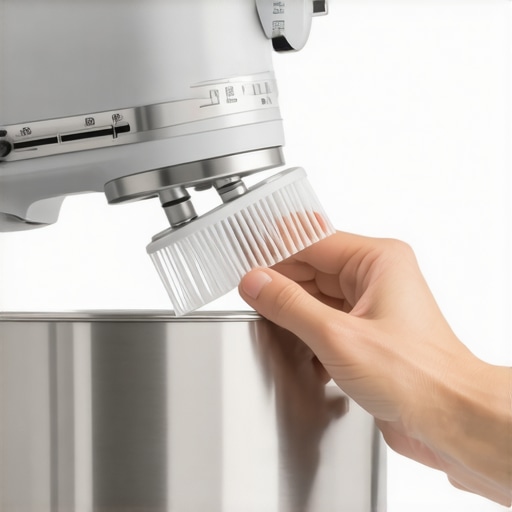
First, regular cleaning is essential. After each use, I disassemble the attachments and wash them with warm, soapy water, making sure to dry thoroughly to prevent rust. For the main unit, a soft, damp cloth is sufficient—avoid harsh chemicals that could damage sensitive components. For stubborn residue, I use a small brush or an old toothbrush to clean around the attachment hub and motor vents. To keep the motor running smoothly, I occasionally run the mixer at low speed for a few minutes with no load, which helps keep the internal parts lubricated and free of dust.
In terms of tools, I highly recommend a dedicated attachment cleaning brush. This small, firm-bristled brush fits perfectly into crevices and helps remove food particles and flour buildup, reducing the risk of mold or bacteria growth. Additionally, a silicone lubricant spray specifically designed for kitchen appliances can be used sparingly on moving parts—just a light spritz on the gear mechanism can prevent squeaking and ensure smooth operation.
Another vital maintenance component is using a quality motor oil recommended by the manufacturer, if applicable. Some high-end models allow for minor lubrication, which can significantly extend their lifespan. Always check your user manual or consult the manufacturer’s website for specific recommendations—this prevents accidental damage and voiding warranties.
Tools I recommend for long-term maintenance
Beyond brushes and lubricants, I’ve found that investing in a digital multimeter can be a game-changer. It allows me to monitor the electrical current and voltage of my mixer, ensuring it’s operating within safe parameters. This is especially useful if you notice strange noises or inconsistent speeds, as it helps diagnose potential motor issues early before costly repairs are needed.
For those who want to go a step further, I suggest periodically checking the brushless motor’s brushes, if your model has them. Worn brushes are a common cause of motor failure, and replacing them can restore your mixer’s power without buying a new one. Consulting an appliance technician for this task is advisable unless you’re comfortable with small electrical repairs.
The future of mixer maintenance
Looking ahead, I believe that smart, IoT-enabled kitchen devices will revolutionize appliance maintenance. Imagine a mixer that can monitor its own health, alert you when parts need replacing, or even order spare parts automatically. This trend toward connected appliances promises less downtime and more reliable performance over the years.
In the meantime, sticking to these maintenance routines and tools will keep your mixer running smoothly for many baking adventures to come. Don’t forget—regular upkeep is your best investment for long-term baking success!
The Hardest Lesson I Learned About Mixer Choices
One of the most eye-opening experiences in my baking journey was realizing that not all mixers are created equal, especially when handling dense doughs. I used to believe that wattage alone determined a good mixer, but I was wrong. It’s the motor design and durability that truly matter. That lesson taught me to prioritize quality over specs, saving me from costly repairs and subpar results in the long run.
3 Myths About Baking Mixers That Held Me Back
Before deepening my understanding, I believed that a high wattage meant better performance, that all attachments were interchangeable, and that size didn’t matter. Debunking these myths was crucial. I discovered that compatibility and ergonomic design significantly influence usability and results. Challenging these misconceptions helped me invest smarter and bake with more confidence.
What Experts Won’t Tell You About Mixer Maintenance
Many overlook the importance of regular cleaning and minor repairs for longevity. I learned that using a dedicated cleaning brush, applying appropriate lubricants, and monitoring electrical performance can extend a mixer’s life dramatically. This insider knowledge turned my maintenance routine from a chore into a strategic part of my baking arsenal, ensuring consistent results every time.
My Essential Toolkit for Baking Equipment Success
Over the years, I’ve curated a set of trusted tools that keep my mixers in top shape. A quality attachment cleaning brush, silicone lubricant spray, a digital multimeter, and spare brushes are my go-tos. These tools not only preserve my equipment but also give me peace of mind, knowing I can troubleshoot and maintain my mixers efficiently. For more insights, explore our comprehensive guide on baking mixer attachments.
Your Turn to Elevate Your Baking Game
Remember, selecting the right mixer and maintaining it well are crucial steps toward baking success. Whether you’re a beginner or a seasoned baker, investing in quality equipment and learning proper care will unlock your full potential in the kitchen. Don’t be afraid to experiment, ask questions, and refine your setup—your perfect baked goods await!
What’s the biggest challenge you’ve faced when choosing or maintaining a mixer? Share your experiences below and let’s learn together!

Leave a Reply