My First Encounter with Baking Mixers: A Personal Story
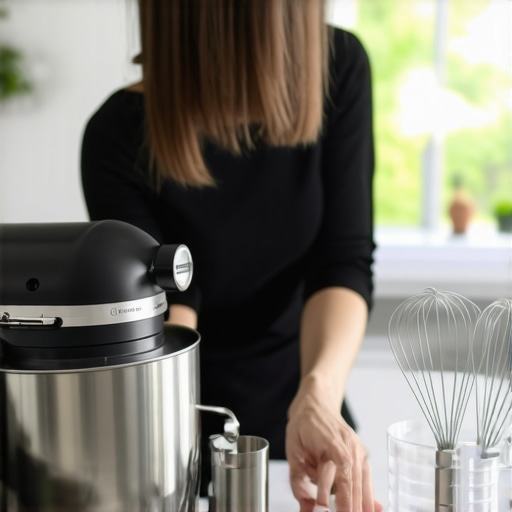
I’ll never forget the first time I decided to upgrade my baking game. I was overwhelmed by the multitude of options, especially when it came to mixers. I wanted something versatile that could handle both delicate whisking and heavy dough kneading. That curiosity led me to explore the debate: stand mixers versus hand mixers. After some trial, error, and a lot of research, I found myself immersed in a world where choosing the right device truly makes a difference in my baking success.
Why I Began to Value the Importance of Whisk Attachments
What surprised me most early on was how much the right whisk attachments could elevate my baking. Whether it’s whipping cream to fluffy peaks or gently folding egg whites, the right tool can turn a good bake into a great one. I learned that not all mixers are created equal, especially when it comes to whisk attachments. This realization prompted me to focus on the compatibility of my mixer with various attachments, and my journey into understanding their nuances began.
Stand Mixers: My Experience with Power and Precision
Initially, I was drawn to stand mixers because of their power and stability. I remember baking a batch of bread dough and being amazed at how effortlessly my stand mixer handled the heavy kneading. The power and capacity of a stand mixer make it ideal for larger batches and more demanding recipes. Plus, with a variety of attachments, I could switch from mixing to whisking to kneading without changing devices. It felt like having a professional tool in my home kitchen.
Hand Mixers: The Flexibility and Convenience I Love
On the other hand, I also adore my hand mixer for its convenience. It’s lightweight, easy to store, and perfect for quick tasks. I find it especially handy when I need to whisk eggs or cream in small quantities. The flexibility of switching between different whisk attachments makes it versatile for everyday baking. I appreciate how it allows me to control the speed precisely, which is crucial for delicate recipes.
Which is Better for Your Baking Needs? My Personal Reflection
Deciding between a stand or hand mixer ultimately depends on your baking style and needs. If you bake large quantities or complex recipes, a stand mixer is a worthwhile investment. For quick, small tasks, a hand mixer is more convenient. I found that having both in my kitchen gave me the ultimate flexibility, especially when I want to experiment with different recipes and techniques.
What Do You Value Most in a Baking Mixer?
Are you looking for power, convenience, or versatility? Understanding your baking habits can help you choose the perfect device. For more detailed insights, check out this comprehensive guide.
If you’re passionate about baking and want to share your experience, I invite you to comment below. Your insights might help others decide which mixer suits their needs best!
How Do Different Mixer Attachments Impact Baking Precision and Outcome?
As an experienced baker, I’ve learned that the choice of attachments can significantly influence your baking results. For instance, a high-quality whisk attachment can create airy meringues or whipped cream with ease, but using the wrong attachment for a dense dough might strain your device or produce subpar results. Understanding the nuances between dough hooks, beaters, and whisks helps in optimizing each recipe. For example, switching to a spiral dough hook for bread making ensures better gluten development and kneading efficiency, especially in larger batches. Exploring the compatibility and performance of various attachments can be a game-changer for both amateur and seasoned bakers.
What Are the Practical Differences in Maintenance and Longevity Between Stand and Hand Mixers?
Beyond performance, maintenance plays a crucial role in choosing the right appliance. Stand mixers, with their complex gear mechanisms and multiple attachments, require regular cleaning of their mixing bowls and attachment points. Their robust build often translates into longer lifespan when properly maintained, making them a worthwhile investment for serious bakers. Conversely, hand mixers are more straightforward, typically featuring fewer parts that can be cleaned easily and stored compactly. However, their motor and beaters may wear out faster if used heavily or improperly stored. Recognizing these differences helps in planning your kitchen upgrades and ensuring your equipment remains reliable over time. For more detailed insights, check out this comprehensive comparison.
Could Integrating Smart Technology Elevate Your Baking Experience?
Innovation in kitchen appliances is rapidly advancing, with some high-end mixers now featuring smart technology—think Bluetooth connectivity, built-in timers, and app-controlled speed settings. This integration allows for precise control and recipe automation, reducing guesswork and improving consistency. While these features are more common in professional-grade stand mixers, even home bakers can benefit from digital integration for complex or multi-step recipes. Imagine syncing your mixer with a recipe app that adjusts the speed and timing automatically, ensuring perfect results every time. As this tech trend grows, it’s worth considering whether a smart-enabled mixer aligns with your baking goals and tech-savvy lifestyle. For an in-depth look, visit this guide on baking technology innovations.
If you found these insights helpful, I encourage you to share your own experiences or ask questions in the comments below. Exploring different perspectives can deepen understanding and help fellow baking enthusiasts make informed decisions!
Unlocking the Full Potential of Your Mixer: Lessons from Personal Experience
Over the years, I’ve discovered that selecting the right mixer isn’t just about power or brand; it’s about understanding the subtle nuances that can elevate your baking. For instance, I found that my stand mixer performs exceptionally well with dense doughs, thanks to its robust motor and stable base. However, I’ve learned that its weight and size require careful storage and maintenance, especially when dealing with frequent cleaning of attachments and bowls. Conversely, my hand mixer offers unmatched agility for quick tasks, but I’ve noticed that its motor tends to wear out faster if used intensively, reminding me that choosing a high-quality model with a durable motor is vital for longevity. This balance between power, convenience, and maintenance demands a nuanced approach that I continuously refine through personal trial and error.
Deep Dive into Attachments: More Than Just Tools
As I delved deeper into the world of mixer attachments, I realized that each piece serves a purpose beyond its basic function. The whisk attachments, for example, can be fine-tuned for different recipes—beating egg whites to stiff peaks or gently folding delicate batters. I recall experimenting with a spiral dough hook, which drastically improved gluten development in bread-making, especially in larger batches. Understanding these nuances transformed my baking, making each recipe more consistent and professional-looking. Advanced bakers often overlook the importance of trying different attachments and their specific settings, which can be a game-changer for achieving perfect textures and flavors in your baked goods.
Is Smart Technology the Future of Baking Mixers?
In my personal journey, I’ve started exploring smart mixers equipped with Bluetooth and app controls. This innovation allows for precise control, recipe automation, and even step-by-step guidance, which can be particularly helpful for complex recipes or when experimenting with new techniques. I remember a time when I was baking a multi-layer cake, and my smart mixer’s timers kept me on track without constant supervision. According to industry experts, integrating smart technology into kitchen appliances not only enhances accuracy but also encourages more adventurous baking. For those passionate about tech, considering a smart-enabled mixer might be a worthwhile investment, especially if you enjoy experimenting with new recipes and techniques. To explore more about this trend, check out this insightful guide.
How Do You Keep Your Mixer in Top Condition?
Proper maintenance extends the life of your mixer and ensures optimal performance. I’ve found that regular cleaning of attachments and bowls, along with occasional lubrication of moving parts, makes a significant difference. For stand mixers, I recommend inspecting and tightening any loose screws or gears periodically, especially after heavy use. Hand mixers, on the other hand, require less maintenance but benefit from gentle cleaning of the motor vents and beaters. Recognizing the differences in upkeep helps in making an informed decision—whether you prioritize durability or convenience. For detailed maintenance tips, you might find this comprehensive resource invaluable.
Refining Your Baking Technique with Advanced Mixer Skills
Beyond choosing the right equipment, developing advanced skills in using your mixer can dramatically improve results. For instance, controlling speed gradients allows for gentle folding or rapid whipping, depending on the recipe’s needs. I remember practicing slow speed folding for delicate soufflés, which prevented deflation and resulted in a perfect rise. Additionally, understanding the timing of when to switch attachments or adjust speed settings can make a difference in achieving bakery-quality textures. Experimenting with these nuanced techniques has been both challenging and rewarding, pushing my baking skills to new heights. If you’re eager to refine your technique, I encourage you to experiment with different settings and document your results—sometimes, the smallest adjustments can lead to the biggest improvements.
Unlocking the Nuances of Mixer Attachments for Professional-Grade Results
As I delved deeper into the world of baking, I discovered that the choice and mastery of mixer attachments could significantly influence the texture, consistency, and overall quality of baked goods. Beyond basic beaters and dough hooks, specialized attachments like paddle mixers and silicone scrapers opened new avenues for precision and efficiency. For instance, integrating a paddle attachment designed for cookie and bread dough ensures uniform mixing without overworking gluten, leading to tender baked goods. Moreover, experimenting with different attachment speeds and techniques allows for customization that elevates even simple recipes into culinary masterpieces. I recall meticulously adjusting my paddle attachment’s speed to achieve the perfect crumb in my bread, a subtle art that transforms baking from a routine task to a craft.
Mastering Maintenance & Extending the Longevity of Your Mixer Equipment
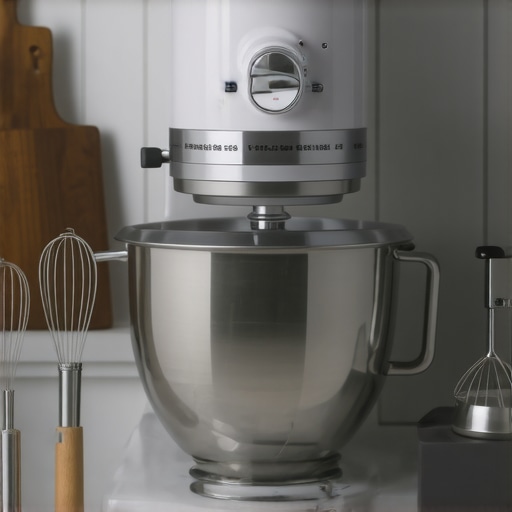
Maintaining your mixer is an often-overlooked aspect that can make or break its lifespan. Regular cleaning of attachments and bowls is essential, but more nuanced practices, such as lubricating gear mechanisms in stand mixers or inspecting motor vents for dust accumulation, can prevent performance degradation. I’ve learned that investing time in routine maintenance not only preserves the device’s power but also ensures safety and reliability. For example, using gentle lubricants approved by manufacturers on gear parts mitigates wear and tear, especially crucial after heavy kneading sessions. Additionally, storing attachments properly and avoiding exposure to moisture prolongs their usability. Recognizing these maintenance subtleties has saved me from costly repairs and replacements, allowing my equipment to serve me reliably over years of passionate baking.
For detailed guidance, I recommend consulting expert resources like this comprehensive maintenance guide.
Integrating Smart Technology: The Future of Precision Baking
The advent of smart technology in kitchen appliances is revolutionizing baking. High-end mixers now feature Bluetooth connectivity, recipe app synchronization, and programmable timers that enable unprecedented control over the baking process. I’ve experienced how these innovations reduce guesswork, especially with complex recipes like multi-layered cakes or delicate soufflés. For example, syncing my smart mixer with a recipe app allowed me to automate mixing speeds and durations, ensuring perfect aeration and texture without manual adjustments. According to industry reports, smart technology fosters consistency, reduces errors, and encourages experimentation by providing step-by-step guidance. For tech enthusiasts and serious bakers alike, investing in a smart-enabled mixer can be transformative, turning an ordinary kitchen into a precision culinary studio. Discover more about these innovations in this detailed review of baking technology.
Engage with Advanced Baking Techniques & Share Your Insights
Mastering your mixer’s full potential involves more than just equipment — it requires honing your techniques. Controlling the gradual increase of speed to incorporate delicate ingredients or employing pulse functions for precise mixing are skills that elevate results. I encourage fellow bakers to experiment with timing, attachment switching, and speed gradients, documenting their outcomes to refine their craft. For instance, achieving the perfect meringue involves not only whisking at high speeds but also ensuring egg whites are at room temperature and clean of grease. Your experiences and tips could inspire others to elevate their baking proficiency. Feel free to share your insights or ask questions — together, we can push the boundaries of home baking excellence.
Things I Wish I Knew Earlier (or You Might Find Surprising)
1. Not All Attachments Are Created Equal
I used to think that any whisk or dough hook would do the job, but I quickly learned that the quality and design of attachments can make a huge difference. Upgrading to high-quality, compatible attachments transformed my baking results, especially when making delicate meringues or dense bread doughs.
2. Maintenance Can Extend Your Mixer’s Life
Proper cleaning and occasional lubrication are often overlooked, but they are essential for keeping your mixer running smoothly over the years. I’ve found that simple routine care prevents costly repairs and keeps your device performing at its best.
3. The Power Difference Matters
While a small, lightweight hand mixer is convenient, I discovered that for heavy doughs or large batches, a powerful stand mixer is irreplaceable. Recognizing the strength needed for different recipes saved me time and frustration.
4. Smart Technology Is More Than Just a Gimmick
My experience with mixers featuring Bluetooth and app controls has been surprisingly helpful. These smart features help automate complex steps and ensure consistent results, especially in multi-layer cakes or intricate recipes.
5. Personal Preference Shapes Your Choice
Ultimately, I realized that your baking style and needs should guide your choice. Whether you prioritize power, convenience, or versatility, understanding your habits makes all the difference in selecting the right device.
Resources I’ve Come to Trust Over Time
- Serious Eats: This site has in-depth articles and reviews that helped me understand the technical differences between mixers. I recommend it for anyone serious about baking equipment.
- America’s Test Kitchen: Their unbiased testing and clear recommendations made me confident in my purchasing decisions, especially regarding durability and performance.
- KitchenAid Official Site: For reliable information on attachments and features, I trust their official resources. They often highlight innovative features that can inspire new baking projects.
Parting Thoughts from My Perspective
Choosing the right baking mixer isn’t just about power or brand; it’s about understanding what truly fits your baking style and needs. Whether you opt for a sturdy stand mixer or a lightweight hand option, both have their place in a well-rounded kitchen. The key is to consider the types of recipes you love and how much effort you want to invest. Remember, a well-chosen mixer can elevate your baking from good to professional-looking results. If this resonates with you, I’d love to hear your thoughts or experiences in the comments. Sharing our insights makes us all better bakers and more confident in our kitchen adventures!

Reading through this post really resonated with my own experience starting out in baking. I vividly remember feeling overwhelmed by the sheer number of mixer options and attachment choices available. I initially bought a lightweight hand mixer for quick tasks, but as I tackled more complex recipes, the lack of power and versatility became apparent. Eventually, I invested in a sturdy stand mixer, which transformed my baking—especially when making bread or large batches of cookies. The key to maximizing these tools is understanding the specific attachments’ roles; I recently discovered that switching between a planetary paddle and a dough hook can make a huge difference in texture and consistency. How do others decide when to upgrade their equipment or invest in specific attachments? I’d love to hear stories about how a particular attachment or mixer changed your baking game, or tips on choosing the right gear for different recipes.
This post really hit home for me. I remember my first investment in a stand mixer – it was a game-changer. Before that, I relied solely on a hand mixer, which was fine for small tasks but quickly became limiting as I started tackling bread doughs and larger batches. What I’ve learned over time is that the right attachments can make all the difference. For example, switching from beaters to a dough hook made kneading so much easier and more consistent. I also found that maintaining my mixer—regular cleaning and occasional lubrication—significantly extends its lifespan. I wonder, how do others decide when it’s time to upgrade or try new attachments? Do you follow specific signs or just go by how much you’re using your equipment? Personally, I think the key is understanding what each piece can do and how it fits into your baking routines. I’d love to hear more about people’s experiences with different brands or models—what’s worked best for you in terms of durability and versatility?
This post really made me think about how much I underestimated the value of attachments beyond just mixing. I’ve recently started experimenting with different paddle and whisk attachments for my stand mixer, and I’ve been amazed at how much they can influence the final product’s texture. I used to stick with the basic beaters for everything, but switching to a wire whisk for whipped cream or a paddle for cookie dough has really upgraded my baking outcomes. I wonder, what are some of the less obvious attachments that others have found surprisingly useful? Also, considering maintenance, are there particular care tips for keeping attachments in top shape longer? I’d love to hear how other bakers manage their gear for both performance and longevity.
This post really highlights how much the right attachments can elevate home baking. I remember upgrading from basic beaters to a spiral dough hook, and it made kneading much more efficient, especially for my artisan bread projects. What I find interesting is how some specialized attachments, like silicone scrapers or different paddle shapes, can further improve mixing without overworking ingredients. I’ve also started paying attention to maintenance—regular cleaning and gentle lubrication—I think it not only extends the life of my attachments but also keeps performance consistent. For those who have invested in multiple attachments, do you find that certain brands or models hold up better over time? I’d love to hear about your maintenance routines and any tips for keeping everything in top shape, especially for those heavy dough attachments. Given how much these tools can influence results, what’s your approach for deciding when to buy new or upgrade attachments? I really enjoy experimenting to fine-tune my baking outcomes.
This post really struck a chord with me, especially about the importance of choosing the right mixer attachments. When I first started baking more seriously, I underestimated how much the right tools could impact my results. I remember experimenting with different whisk attachments for whipped cream, trying to perfect the texture, and I realized that higher quality, compatible attachments made a huge difference. It’s also interesting how some less obvious attachments, like silicone spatulas or specialty beaters, can enhance precision and efficiency without necessarily raising the price. I’ve found that proper cleaning and careful storage are key to maintaining these attachments over time, especially when dealing with heavy dough pieces. Has anyone else noticed a significant difference after switching brands or investing in more durable attachments? I’d love to hear your maintenance tips or recommendations for brands that truly last longer, especially for heavy-duty baking. Sometimes upgrading a small part of your equipment can really elevate your baking game—what’s been your experience?
I really appreciate this detailed look at how attachments can enhance baking outcomes. My experience echoes the idea that investing in quality attachments has really paid off for me, especially with the dough hooks that turned my bread baking around — the gluten development is so much better! I’ve also found that routine cleaning and gentle storage of my attachments make a noticeable difference in their longevity. One thing I’ve been curious about is the compatibility of attachments across different brands. For instance, do you find that certain brands’ accessories fit and perform better with your mixers? Also, are there lesser-known attachments that have surprisingly improved your baking process, like specialized scrapers or unique beaters? I’d love to hear if anyone has recommendations for attachments that work well with both stand and hand mixers, or tips for troubleshooting compatibility issues. It’s fascinating how the right tools and care routines can genuinely transform everyday baking into more consistent, professional-looking results.