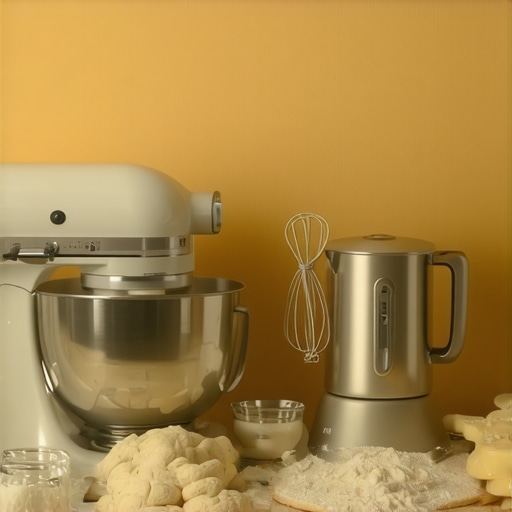
My First Encounter with Mixers: A Baking Revelation
It all started last year when I decided to bake my first sourdough bread. As I mixed the ingredients by hand, I realized how much effort and time it took. That’s when I seriously started exploring different types of mixers, especially the stand mixers and hand mixers. I wanted to find the perfect tool that could make my baking both easier and more enjoyable.
Deciphering the Power and Precision: Which Mixer Wins?
In my experience, stand mixers are like the heavy-duty workhorses of the kitchen. They can handle large batches, knead dough effortlessly, and come with multiple attachments that make mixing, whisking, and even shredding a breeze. I remember making a batch of thick pizza dough, and my stand mixer never faltered, saving me hours of manual kneading.
On the other hand, hand mixers are more portable and perfect for quick tasks. I often used mine for whipping cream or beating eggs—simple jobs that don’t require heavy-duty power. They’re also more affordable and easier to store, which is a big plus for small kitchens.
What About the Dough? Can Hand Mixers Really Do the Job?
This is where I had my doubts initially. Kneading dough is tough work, and I wondered if a hand mixer could handle such a task. After trying both, I found that stand mixers clearly outperform hand mixers for heavy doughs. They provide the stability and power needed to knead bread and pizza dough without overworking the motor or tiring your arm.
Is It Worth Investing in a Stand Mixer for Baking?
Absolutely! If baking is a serious hobby or you often make large batches, a stand mixer is a game-changer. It provides consistency and reduces effort, which means more fun and less fatigue. For occasional baking or small tasks, a hand mixer might be enough, but I always recommend the versatility of a stand mixer for serious bakers.
If you’re still unsure, I suggest checking out the comprehensive guide to choosing your ideal mixer.
What Would I Choose Today?
Today, I own both, but I primarily rely on my stand mixer for bread, dough, and large batch recipes. It’s a worthwhile investment that has truly elevated my baking game. But I keep my hand mixer for quick jobs, especially when I’m in a rush or working on smaller recipes.
If you’re contemplating which one to buy, consider your baking habits and space. Both have their merits, but the right choice depends on your specific needs.
Feel free to share your experiences with these mixers or ask questions in the comments—I love hearing from fellow baking enthusiasts!
Unveiling the Hidden Power of Mixer Attachments: Beyond Whisk and Beaters
While many bakers focus on the core functions of their mixers, exploring the versatility of attachments can elevate your baking experience to new heights. Modern stand mixers and hand mixers come with a variety of tools designed to handle specific tasks, from kneading dough to whipping cream with precision. For instance, using a dough hook not only speeds up bread-making but also ensures consistent gluten development, which is essential for achieving the perfect crumb. Similarly, specialized beaters can optimize the texture of your batters, whether for cakes, muffins, or pancakes.
The Nuanced Decision: Power, Speed, and Control
When choosing between a stand mixer and a hand mixer, understanding the subtleties of power and speed settings can make a significant difference. A high wattage motor provides the torque needed for dense doughs and large batches, but also comes with the responsibility of managing speed carefully to avoid over-mixing delicate ingredients. Conversely, a hand mixer with variable speed controls offers nuanced control, allowing you to switch from gentle folding to vigorous whipping seamlessly. This flexibility is especially valuable when adapting recipes on the fly or experimenting with new baking techniques.
How do you balance power and delicacy in your mixing process?
This question is central to mastering the art of baking. Balancing power with delicacy involves knowing when to use low-speed gentle mixing to incorporate dry ingredients or fold in delicate components like berries or chocolate chips. High-speed settings should be reserved for tasks like whipping egg whites or heavy cream, where aeration is key. For in-depth insights, consider consulting authoritative sources like King Arthur Baking, which emphasizes technique alongside equipment choice to achieve baking excellence.
Practical Tips for Maintaining Your Mixer’s Longevity
Proper maintenance extends the life of your investment and ensures consistent performance. Regularly check and tighten attachments, clean beaters and hooks thoroughly after each use, and avoid overloading the motor by adhering to recommended batch sizes. For electric components, periodic inspection and gentle cleaning help prevent dust and flour buildup that can impair functionality. If you’re using a stand mixer, consider the longevity of the gear mechanisms—sometimes, lubricating moving parts can keep things running smoothly for years.
For more detailed maintenance routines, check out comprehensive guides like the ultimate guide to choosing the best baking mixer.
Share Your Mixer Adventures and Discover More Baking Secrets
Whether you’ve mastered kneading with a stand mixer or enjoy quick fixes with a hand-held device, sharing your experiences can inspire others and deepen your own understanding. Have you discovered a unique attachment or technique that transformed your baking? Or are you contemplating upgrading your equipment but unsure where to start? Drop a comment below or share this article with fellow bakers. For those eager to explore more, I recommend diving into specialized resources and expert reviews to find the perfect match for your baking style.
Beyond Basic Mixing: Embracing the Versatility of Attachments for Gourmet Baking
When I first invested in my stand mixer, I thought its primary role was just to make baking easier. But over time, I realized that the true magic lies in exploring the array of attachments that come with or can be added to these machines. For example, using a dough hook transforms bread-making into an effortless task, ensuring consistent gluten development and perfect texture every time. This not only elevates the quality of my baked goods but also preserves the longevity of my mixer by reducing strain on the motor.
The Hidden Power of Attachments: Elevating Your Baking Arsenal
One aspect I overlooked initially was how different attachments could handle specific tasks more efficiently than the standard beaters. For instance, the pasta roller attachment allows me to make fresh pasta, adding a new dimension to my culinary repertoire. Similarly, specialized beaters can produce a fluffier batter or cream with less effort, saving time and energy. Leveraging these tools makes baking more precise and enjoyable, especially when tackling complex recipes that demand fine control over texture and consistency.
How Do You Optimize Your Mixer’s Attachments for Longevity and Performance?
Keeping attachments in top shape is crucial for both performance and durability. I’ve learned that regular cleaning—especially after using sticky or greasy ingredients—prevents buildup that can impair function. Additionally, inspecting the attachment connection points for wear and tear, and applying a light lubricant to moving parts, can extend the life of your equipment. For high-powered stand mixers, proper maintenance ensures they continue to operate smoothly, avoiding unexpected breakdowns during critical baking moments.
What Are the Nuanced Considerations When Choosing Attachments for Different Baking Needs?
Different recipes demand specific tools. For delicate tasks like folding in berries or chocolate chips, a gentle, low-speed beater is ideal. Conversely, kneading dense doughs requires a robust dough hook. I’ve found that understanding the subtle differences in attachment design—such as the shape, material, and speed compatibility—can significantly impact results. For example, some attachments are better suited for high-speed whipping, while others excel at low-speed mixing for delicate ingredients. Reading expert reviews and guides, like the ultimate guide to choosing the best baking mixer, can help you tailor your equipment to your personal baking style.
How Can I Personally Balance Power and Precision in My Mixing Techniques?
Balancing strength and delicacy is a skill I continue to refine. For heavy doughs, I rely on the high torque of my stand mixer, employing the dough hook at a moderate speed to avoid overworking the gluten. When whipping egg whites or cream, I switch to the highest speed for maximum aeration. The key is to understand the recipe’s requirements and adjust the speed and duration accordingly, which often comes with experience and a bit of trial and error. Consulting authoritative resources like King Arthur Baking provides valuable insights on technique and equipment use that can elevate your skills.
Final Thoughts: Cultivating a Personal Approach to Mixer Maintenance and Usage
My journey with mixers has taught me that proper maintenance and thoughtful attachment selection are essential for achieving consistent, high-quality results. Regular cleaning, gentle handling, and understanding the specific roles of each attachment can turn your mixer into a true baking partner. I invite fellow bakers to share their experiences and innovative uses for attachments—whether it’s a dough scraper, pasta roller, or specialized beater. Together, we can refine our techniques and keep our beloved equipment running smoothly for years to come. Remember, the real secret to great baking isn’t just the ingredients—it’s also how we harness our tools with care and creativity.
Mastering the Art of Mixer Attachments: Unlocking Gourmet Potential
As I delved deeper into the realm of baking, I discovered that the true strength of a high-quality stand mixer lies not only in its motor power but significantly in its array of specialized attachments. These tools, often overlooked by casual bakers, can transform standard recipes into gourmet experiences. For instance, a pasta roller attachment opened an entirely new culinary avenue for me, enabling fresh pasta creation that elevated my Italian dishes beyond the ordinary. Such versatility underscores the importance of selecting a mixer that supports a broad spectrum of attachments to maximize utility and inspire culinary innovation.
The Nuanced Power of Specific Attachments: Precision and Efficiency
Different baking tasks demand specific tools for optimal results. The dough hook, for example, is designed to develop gluten networks uniformly, ensuring consistent bread texture. Its ergonomic shape and material composition, often stainless steel, facilitate thorough kneading without overstraining the motor. Conversely, a whisk attachment is invaluable for incorporating air into batters, yielding light and fluffy cakes. Understanding the design nuances—such as the shape and material of these attachments—can significantly impact baking outcomes. For more detailed insights into attachment selection, I recommend exploring this comprehensive guide.
Optimizing Your Attachments for Longevity: Maintenance Secrets of Pros
Proper care extends the lifespan of your attachments and maintains peak performance. Regular cleaning with warm, soapy water prevents residue buildup, especially after handling sticky or oily ingredients. Inspecting connection points for signs of wear ensures secure attachment and prevents accidents during operation. Applying a light lubricant to moving parts—only as recommended—can reduce friction and wear, especially for high-frequency use. I’ve found that storing attachments in a dedicated, dry drawer keeps them free from dust and damage, preserving their precision over years of use. For detailed maintenance routines, I suggest reviewing this expert resource.
Refining Your Technique: Balancing Power and Delicacy
Achieving perfect baking results involves a delicate balance between robust power and gentle finesse. When working with dense doughs, I rely on the high torque of my stand mixer, employing the dough hook at moderate speeds to avoid over-gluten development. For delicate tasks like folding whipped cream or incorporating berries, I switch to low-speed settings, ensuring ingredients are integrated without deflation. Mastering this balance requires both technical understanding and intuitive judgment, reinforced by continuous learning from authoritative sources such as King Arthur Baking. This approach elevates my baking to professional standards, enabling consistent, beautiful results.
Join the Conversation: Share Your Advanced Mixer Techniques
If you’ve experimented with unique attachments or developed personalized techniques to enhance your baking, I invite you to share your insights. Exploring diverse tools and methods not only enriches our collective knowledge but also inspires innovation within our baking community. Whether it’s a custom attachment setup or a novel mixing rhythm, your experiences can help others refine their craft. Engage with me in comments or through social media—I’m eager to learn from your journey and help elevate our shared passion for baking excellence.
Things I Wish I Knew Earlier (or You Might Find Surprising)
Hidden Versatility of Attachments
When I first bought my stand mixer, I underestimated how much the right attachments could transform my baking. Discovering tools like the pasta roller or specialized beaters opened new culinary doors I hadn’t imagined, making me realize that a good mixer is truly a versatile kitchen partner.
The Power of Proper Maintenance
Regularly cleaning and inspecting my mixer attachments has significantly extended their lifespan and improved performance. It’s a small effort that pays off by ensuring my equipment stays reliable during those critical baking moments.
Attachments for Precision Tasks
Using specific attachments like the dough hook for bread or the whisk for meringues allows for more control and better results. It’s fascinating how each tool is designed for a particular task, and understanding this has helped me elevate my baking game.
The Balance of Power and Delicacy
Knowing when to use high speed versus gentle mixing has been a game changer. I’ve learned to match the attachment and speed to the recipe’s needs, preventing overmixing and preserving ingredient quality.
Investing in Quality Attachments
High-quality, compatible attachments may cost more initially, but they perform better and last longer. Choosing the right ones based on your baking style is a smart move for any serious home baker.
Resources I’ve Come to Trust Over Time
- King Arthur Baking: Their comprehensive guides on baking techniques and equipment have been invaluable for refining my skills and understanding the nuances of mixer use.
- Serious Eats: Known for detailed, well-researched articles, their insights on mixer attachments and baking science have deepened my appreciation for precision in baking.
- The Kitchn: Their practical tips and reviews on kitchen tools help me make informed decisions when upgrading my equipment or trying new attachments.
- America’s Test Kitchen: Their tested and trusted recommendations give me confidence in choosing reliable, durable attachments for my mixer.
Parting Thoughts from My Perspective
Exploring the world of mixer attachments has truly expanded what I can achieve in my baking. From the initial investment to regular maintenance, each step contributes to better results and more enjoyable baking sessions. If this resonates with you, I’d love to hear your experiences or tips. Feel free to share your thoughts or ask questions—baking is always better when we learn from each other. Remember, the key to mastering your mixer isn’t just about power but understanding how to use each attachment effectively to bring out the best in your baking creations. Happy mixing!

This post really resonated with me, especially the part about investing in a good stand mixer for serious baking. I started with a small, budget-friendly hand mixer, and although it’s handy for quick jobs, I eventually realized that for bread and large batches, a sturdy stand mixer is invaluable. I particularly appreciate the detailed discussion on attachments like the dough hook and pasta roller — those really opened up new baking possibilities for me. I’ve been experimenting with different attachments to improve my bread and pastry quality, and it’s made a noticeable difference.
I’m curious, for those of you who use both types of mixers, how do you decide which attachments or features are worth investing in? Do you find some attachments more versatile or durable than others? I’d love to hear more about how others optimize their equipment to enhance their baking routines and any tips for maintaining these tools for longevity.
Reading through this post really reminded me of my early days of baking and the pivotal role my stand mixer played once I invested in quality attachments like the dough hook and pasta roller. It’s true—having versatile tools not only saves time but elevates the quality of baked goods significantly. I’ve found that choosing durable, high-quality attachments makes a huge difference in consistency and longevity. I’m curious, though—how do other home bakers decide which attachments are truly worth the investment? Are there any lesser-known accessories that you’ve found particularly useful for specific recipes or techniques? I’ve recently started experimenting with pastry attachments, and it’s fascinating how they can transform your baking outcomes. Maintaining these tools is something I’ve learned to pay close attention to, especially to keep them functioning smoothly over time. Would love to hear tips from the community on optimizing attachment use and maintenance for long-term success in baking.
This post offers some really insightful points about the importance of choosing the right mixer for different baking needs. I completely agree that stand mixers are game changers for heavy doughs and large batches, especially with all the available attachments like the dough hook and pasta roller. I’ve personally found that investing in high-quality attachments not only improves the consistency of my baked goods but also makes the whole process more enjoyable. That said, I still appreciate the portability and convenience of my hand mixer for quick tasks, especially when I’m short on time or space.
One tip I’ve picked up is to regularly inspect and clean my attachments after each use to prevent residue buildup. Have others experienced issues with specific brands or attachments losing durability over time? For those just starting, what features do you prioritize when selecting a mixer? It’s fascinating how the right tools can truly expand culinary creativity and efficiency in baking.
This post really captures the essence of how evolving my baking tools has transformed my approach in the kitchen. I remember starting out with just a basic hand mixer, which was great for small tasks like whisking eggs or whipping cream. But once I invested in a good stand mixer, my whole baking experience changed—especially when making bread or large batches of cookie dough. The variety of attachments you can get really opens up so many possibilities, from kneading to pasta making, which keeps baking exciting.
I do wonder about maintenance—how often do you all clean and check your attachments to keep them performing at their best? Also, I’ve noticed some attachments, like the dough hook, seem more durable than others. Have you found any particular brands or types that last longer or work better for certain recipes? I’d love to hear the community’s tips on choosing versatile, reliable attachments and maintaining them for long-term use. Sharing these insights can really help us all get the most out of our equipment and elevate our baking craft.
Reading this post brought back my early baking days when I struggled with kneading large batches by hand. It’s amazing how a good stand mixer can truly streamline the process. My experience with attachments like the dough hook and beaters has been transformative, especially for bread and pastry recipes. I’ve found that investing in high-quality, durable attachments makes a visible difference in the consistency of my results and their longevity over time. One thing I’ve learned is to always clean and dry attachments thoroughly after each use—it helps prevent rust and keeps them performing like new.
Regarding attachment selection, do you think there are particular brands that offer better value for the cost? I’ve also read that regular maintenance such as lubricating moving parts can extend their usability. How do you balance the need for versatility with the cost of multiple attachments? I’d be interested to hear everyone’s tips for optimizing their tools for both performance and durability in everyday baking routines.
I really appreciate the thorough exploration of mixers and their attachments in this post. I’ve found that choosing the right attachment can genuinely transform the results of my baking. For instance, using a dough hook instead of a standard beater makes kneading much more efficient, especially for bread and pizza dough. I also agree that maintaining attachments properly is crucial for longevity—regular cleaning and gentle handling save money in the long run. One aspect I’d like to add is how helpful it is to invest in high-quality attachments from reputable brands; they tend to fit better, last longer, and perform more reliably.
Regarding versatility, do you think there’s a standout attachment that’s worth the investment for a home baker looking to expand their repertoire beyond basic mixing? For me, the pasta roller attachment added a whole new layer of culinary fun and precision. It’s exciting to see how versatile these tools can be, from baking to pasta and even other kitchen tasks. I’d love to hear everyone’s favorite attachments and any tips for choosing the best ones for different recipes.