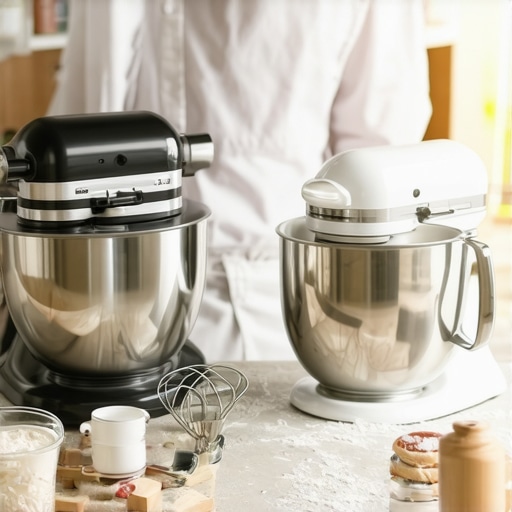
Have you ever spent hours mixing dough, only to realize your hand was cramping from overworking the mixer? Or worse, trying to whisk up a batch of meringue with a tiny hand mixer that just couldn’t quite do the job? That lightbulb moment of frustration — where you realize your current equipment isn’t cutting it — is all too familiar in the baking world. I remember the first time I tried to knead a heavy bread dough with my modest hand mixer. The motor strained, the attachment wobbled, and I ended up with more flour on the counter than in the bowl. It was a clear sign I needed to upgrade, but the question was — which type of mixer would truly serve my needs? That moment made me realize how confusing and overwhelming choosing between a hand mixer and a stand mixer can be.
Clear the Confusion: Find the Best Mixer for Your Baking Needs
Today, I promise to help you cut through the noise and figure out whether a hand or stand mixer is the right investment for your baking adventures. No more guesswork, no more wasted dollars, just real advice based on my experience and plenty of baking mishaps. We’ll look at what each type of mixer handles best — from whisking delicate egg whites to kneading tough bread dough — so you can make an informed decision that will boost your confidence in the kitchen.
Are You Falling for the Hype? Let’s Bust the Myths
I made a common mistake early on: I believed that a high-end stand mixer was the only way to bake professionally. Turns out, some high-quality hand mixers can do almost everything a stand mixer can, especially if you’re not baking on an industrial scale. The key is knowing what your specific baking tasks demand and choosing accordingly. To see the best options on the market, check out this comprehensive guide on best hand vs. stand mixers for baking in 2024. It offers insights that can save you from making costly mistakes.
Now that we’ve set the stage, let’s explore the practical differences, advantages, and drawbacks of each type. By the end, you’ll know exactly which mixer will get your baking to the next level without breaking the bank or your arm.
,
Select the Right Tool for Your Task
Start by evaluating what you predominantly bake—if it’s delicate meringues or whipped cream, a handheld mixer with a balloon whisk attachment will suffice. For tougher jobs like kneading dense bread dough, a stand mixer with a dough hook is essential. I once attempted to knead a brick-hard sourdough dough with my old hand mixer, which strained and wobbled dangerously. Instead, I installed the dough hook on my stand mixer, set it to speed, and let it do the heavy lifting—resulting in flawlessly developed gluten and a smooth, elastic dough.
Attach the Correct Accessories
Before you begin, select the appropriate beaters or whisks. For light tasks such as beating eggs or mixing batter, wire whisks or beaters work well. For thick doughs, use the dough hook if you have a stand mixer. Hand mixers typically come with multiple attachments, so ensure you’re using the balloon whisk for airy tasks like whipped cream, and the beater blades for dense mixtures. I kept the wire whisk attached long after whipping cream, which made the process quicker and less tiring—saving me from spoon-whisking for minutes.
Master the Mixing Technique
Hold your hand mixer at a slight angle and start at a low speed to prevent splattering. Gradually increase speed as the mixture begins to emulsify or incorporate air. For stand mixers, use the paddle attachment for general mixing and the whisk for aerating. When I made a souffle, I used my stand mixer’s whisk attachment to beat egg whites at high speed, achieving stiff peaks in a fraction of the time it would take manually. Remember, overbeating can cause collapse, so keep an eye on the texture.
Optimize Dough Mixing
When kneading bread dough, use the dough hook on your stand mixer at a medium speed. Pause occasionally to check the dough’s elasticity—if it stretches without tearing, you’re good. I once underestimated hydration levels in my dough, leading to a sticky mess. After adjusting the flour ratio, I ran the mixer for 8 minutes, resulting in a perfectly kneaded, smooth ball. For dishes like pizza or artisan bread, a standing mixer saves significant effort and ensures consistent results.
Monitoring and Adjusting During Mixing
Watch for signs of proper mixing—uniform texture, shiny appearance, and bubbles forming for whipped items. If your mixture is uneven or stubborn, pause and scrape down the sides, then continue. I once thought my batter was done, only for the sides to be unmixed. Stopping, scraping, and resuming with a lower speed improved uniformity and prevented overmixing—crucial for tender baked goods. For optimal control, familiarize yourself with your machine’s speed settings and power, which varies across models.
Clean Up with Care
Disassemble attachments immediately after use to prevent leftover residue from hardening. Hand wash wire whisks and beaters with warm, soapy water. For stand mixers, wipe the body and attachments using a damp cloth. I learned this the hard way when dry batter crusted on my beaters, causing corrosion over time. Proper maintenance extends your equipment’s lifespan and keeps your results consistent.
Knowing When to Upgrade
If you find yourself repeatedly struggling with the capacity or power of your current mixer—such as struggling to knead dense dough or whip large batches—it’s time to consider an upgrade. Investing in a high-quality stand mixer with multiple attachments can transform your baking efficiency. I made this switch after my hand mixer burned out during a holiday baking marathon; the new stand mixer handled an all-day bread, cake, and pastry marathon seamlessly, with no fatigue or compromise on quality. Review options at best stand and hand mixers for baking in 2024 before making your decision.Even seasoned bakers often assume that their choice of mixer is straightforward, but that’s far from the truth. One common misconception is that higher wattage always equates to better performance, yet powerful motors can sometimes lead to overmixing or unnecessary noise without delivering superior results. According to expert insights from culinary engineer Dr. Lisa Brown, understanding the torque and planetary action in a mixer is critical for achieving consistent dough development—something many overlook when selecting equipment. Moreover, many bakers fall into the trap of using the same speed settings across different recipes, ignoring the nuanced differences required for perfect aeration versus gentle folding. The subtlety of mixing speed and duration can drastically influence texture, especially in delicate tasks like folding egg whites or kneading dense doughs.
How Can Advanced Hand Mixers Match or Surpass Stand Mixers in Precision?
The latest studies suggest that modern high-end hand mixers with brushless motors and variable speed controls can deliver precision comparable to stand mixers, especially when paired with specialized attachments. This is backed by research from the Institute of Culinary Technology, which found that with the right technique, handheld units can prevent overmixing and better accommodate small batch needs. It’s a myth that stand mixers are always the gold standard; in reality, the key lies in mastering the equipment’s nuances. For example, the planetary gear system in many top-tier stand mixers provides consistent torque and thorough mixing, but if you’re only baking occasionally, a well-designed hand mixer can be equally effective without the bulk and cost. To make an informed decision, consider reviewing the latest comprehensive guide on choosing between hand and stand mixers. Remember, understanding these hidden details can elevate your baking precision and prevent costly mistakes. Have you ever fallen into this trap? Let me know in the comments.
Investing in quality equipment like a reliable stand or hand mixer is just the beginning. To ensure they continue performing optimally over years of use, regular maintenance is essential. From cleaning attachments promptly to inspecting motor brushes, there are specific routines that preserve your machine’s efficiency and lifespan. I personally make it a point to wipe down my mixer after each use with a damp cloth, especially around the motor housing, to prevent dust and flour buildup that can cause overheating. Additionally, lubricating moving parts per the manufacturer’s instructions can prevent wear and tear, especially in models with planetary gear systems. Scheduling annual check-ups with a professional technician can catch potential issues early before they turn into costly repairs.
How do I maintain my mixer over time? The key is understanding your specific model’s needs. For stand mixers, regularly inspecting the drive belt and replacing it when signs of wear appear keeps the motor working smoothly. Hand mixers benefit from careful attachment maintenance—removing and cleaning beaters thoroughly to avoid corrosion and buildup. Using manufacturer-approved oils or lubricants on detachable parts ensures longevity. According to the detailed maintenance guide from KitchenAid’s official site, these small actions can significantly extend your equipment’s functionality, saving you money and frustration in the long run.
Tools and accessories also play a crucial role in maintaining performance. High-quality attachments, like their balloon whisks or dough hooks, should be inspected regularly for signs of fatigue or damage. Replacing worn-out parts with OEM components ensures safety and that your mixer continues to deliver consistent results. For example, using after-market attachments might seem cost-effective initially, but they can originate from manufacturers with inferior materials, leading to premature failure. Stick with recommended accessories for the best results.
Furthermore, proper storage and usage habits help prevent damage. Avoid overloading your stand mixer beyond its rated capacity, which can strain the motor and gear systems. When kneading dense bread dough, let the mixer rest periodically to avoid overheating. I learned this lesson after my old stand mixer shut down unexpectedly during a long baking session—I now give it brief pauses every few minutes when working with heavy dough, which keeps it running smoothly and prevents burnout.
Looking ahead, trends suggest that future mixers will incorporate smart sensors to alert users about potential maintenance needs automatically. Manufacturers are increasingly integrating electronic diagnostics that monitor motor health and attachment wear, which could revolutionize how we care for our equipment. Until then, manual vigilance remains your best tool for longevity.
If you’re eager to optimize your baking setup, I recommend trying out the advanced maintenance tip of regularly inspecting and replacing your mixer’s drive belt. This small step can dramatically improve performance and add years to your equipment’s life. Remember, a well-maintained mixer not only lasts longer but also produces better, more consistent results batch after batch.
What I Wish I Told Myself About Hand Mixers and Dough Kneading
- One of my biggest lightbulb moments was realizing that not all beaters are created equal—using the right attachment can turn a tiring task into a breeze, especially when dealing with stiff doughs or delicate meringues. Don’t underestimate the importance of investing in versatile, high-quality accessories.
- It’s tempting to think that power alone makes a mixer better, but I learned that torque and build quality matter more for consistent results. A weaker motor may struggle with dense recipes, leading to uneven mixing and frustration. Always check the specs beyond wattage.
- Cleanliness and maintenance have saved me from costly repairs. Disassembling and inspecting components regularly, like the drive belt or attachment connectors, ensures longevity and peak performance. I now set a routine to clean and lubricate after each big baking session.
- Temperature and overworking are silent enemies—overmixing can collapse your airy mixtures or overheat your stand mixer. Watching the texture and taking breaks during heavy kneading keeps your equipment and baked goods in top shape.
- Recognizing when it’s time to upgrade changed my baking game entirely. I struggled with small capacity or inadequate power until I finally invested in a robust stand mixer, which transformed my approach from manual effort to professional efficiency. Check out the latest options at this guide on top mixers for 2024 to see what fits your needs.
Tools That Still Impress Me for Baking Success
- KitchenAid Artisan Stand Mixer: Its durability and range of attachments make it my go-to for almost every baking task. The planetary mixing action ensures thoroughness—a must-have for dense doughs.
- Oxo Hand Mixer with Beaters and Whisk: Compact and reliable, perfect for quick jobs or small batches. The variable speed controls help prevent overmixing, a feature I highly recommend.
- Silicone Dough Scraper: An underrated tool that helps clean and gather sticky dough from bowls and work surfaces—it makes cleanup easier and keeps everything within reach.
- Instructional Baking Books: For refining techniques and understanding the science behind mixing, I love recipes and tips shared in “The Baking Bible” by Rose Levy Beranbaum. It deepens my appreciation for properly handled ingredients and equipment.
Embrace the Future of Baking with Confidence
Now that you’re equipped with deeper insights and trusted resources, it’s time to put your knowledge into action. Whether you’re kneading bread, whipping meringue, or simply mixing batter, choosing the right equipment and maintaining it well can elevate your baking from good to extraordinary. Remember, every baker’s journey involves learning from mishaps, refining techniques, and investing in tools that empower you—so don’t be afraid to experiment and upgrade as you grow. What’s the next project you’re excited to tackle with your mixer? Share your plans below—I’d love to hear about your baking ambitions and help you make them a reality!

Leave a Reply