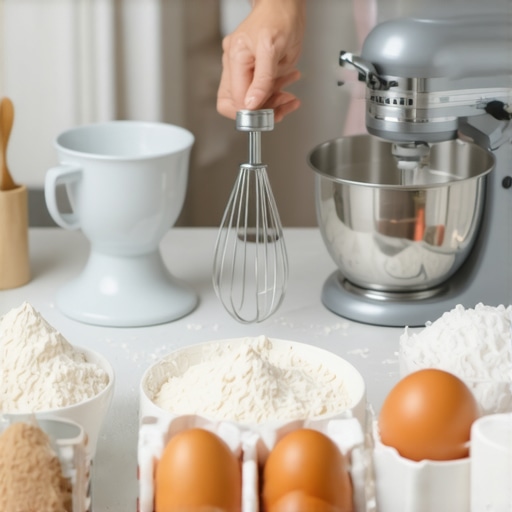
How I Discovered the Perfect Mixer for My Baking Adventures
As someone who loves baking, I vividly remember the first time I stood in my kitchen, overwhelmed by the variety of mixers available. I had just bought my first mixer, and I was eager to create delicious cakes and cookies. That initial experience taught me a lot about how choosing the right mixer can truly impact your baking results.
Over the years, I’ve experimented with both stand mixers and hand mixers, and I want to share my insights to help you make an informed decision. Whether you’re a beginner or an experienced baker, understanding the differences can significantly elevate your baking game.
The Personal Touch: Why I Lean Toward Stand Mixers
My journey started with a simple hand mixer, which was great for small tasks. However, I found myself yearning for more power and stability, especially when tackling thick doughs or large batches. This led me to invest in a stand mixer. It became my trusted baking companion, offering consistent mixing and freeing up my hands for other tasks.
One thing I love about stand mixers is their versatility. From whipping cream to kneading bread, they handle it all with ease. Plus, their durable build means I can rely on them for years, making them a worthwhile investment for serious bakers.
Hand Mixers: The Portable Friend in My Kitchen
Despite my fondness for stand mixers, I still keep a hand mixer handy. It’s perfect for quick jobs or when I need to save space. I find it especially useful for small recipes or when I want to control the mixing speed manually. Its lightweight design makes it easy to maneuver, and I can store it away easily.
For those who bake occasionally or have limited kitchen space, a hand mixer might be the best fit. It’s less expensive and more manageable, making it a practical choice for many home bakers.
What’s the Best Choice for You?
Are you curious about which mixer suits your baking style best?
Deciding between a stand mixer and a hand mixer depends on your baking frequency, recipe types, and space considerations. If you often bake large batches or bread, a stand mixer is probably the way to go. Conversely, if you prefer quick, small-scale baking, a hand mixer might be enough.
Remember, the right tool can make baking more enjoyable and less frustrating. I recommend reading reviews and considering your specific needs before making a purchase.
If you have personal experiences or questions about choosing the right mixer, I’d love to hear from you! Share your thoughts in the comments below or explore more about stand vs. hand mixers for dough.
Mastering Mixer Selection: An Expert’s Deep Dive into Versatile Baking Tools
When it comes to elevating your baking, understanding the nuances between different mixers can make all the difference. As a seasoned baker, I’ve learned that the choice between a stand mixer and a hand mixer hinges on more than just convenience — it’s about tailoring your tools to your baking style, recipe demands, and kitchen space.
How Do Mixer Designs Influence Baking Outcomes?
Design intricacies in mixers significantly impact their performance and durability. Stand mixers, often equipped with planetary gear systems, offer superior stability and power, especially when kneading dense doughs or whipping large batches. These features are invaluable for recipes like artisan bread or multi-layer cakes, where consistency is key. Conversely, hand mixers excel in quick tasks, such as whipping egg whites or preparing light batters, offering agility and ease of use.
Beyond Power: The Role of Attachments and Features
Attachments can transform a simple mixer into a multi-tool. Many stand mixers come with dough hooks, pasta makers, or even ice cream bowls, broadening their utility. Hand mixers, though more limited, often include beaters and whisks that handle a variety of small tasks efficiently. Recognizing these accessory options helps in selecting a model that grows with your baking repertoire.
Can a Mixer’s Features Truly Enhance Your Baking Experience?
Absolutely. Features like variable speed controls allow precise mixing, reducing overmixing or under-mixing—a critical aspect for delicate pastries or fluffy meringues. Anti-slip bases and easy-to-clean components also streamline the baking process and maintain safety and hygiene standards. When choosing a mixer, consider how these features align with your typical baking projects and kitchen setup.
For a comprehensive comparison, exploring detailed reviews and guides can provide clarity. For instance, understanding the differences highlighted in stand vs. hand mixers for dough can inform your decision, especially if you bake bread regularly.
Practical Considerations for the Discerning Baker
Another layer to consider is storage and noise levels. Stand mixers, due to their size and motor strength, tend to be louder but offer stability during intensive mixing. Hand mixers are compact and quieter, making them suitable for small kitchens or apartment living. Think about your available space, frequency of baking, and the types of recipes you most often make.
For those still on the fence, reflective questions from an expert perspective can guide your choice: Is my baking primarily for fun or for consistent, large-scale production? Do I value time-saving features over portability? Answering these can clarify whether a versatile stand mixer or a nimble hand mixer better suits your needs.
Remember, the right mixer should enhance your baking joy, not complicate it. To explore more about the technical aspects and compare models, visit this comprehensive guide.
If you’ve faced dilemmas in choosing your ideal mixer or have tips to share, I invite you to comment below. Sharing your experiences can help fellow baking enthusiasts navigate their own mixer journeys!
Unraveling the Hidden Nuances of Mixer Features: My Personal Journey
As I delved deeper into my baking journey, I realized that understanding the subtle differences in mixer features could be the key to unlocking a new level of culinary mastery. For instance, the importance of a variable speed control became clear to me when I started experimenting with delicate meringues. Precise control over mixing speed prevented over-beating, preserving the perfect fluffy texture that makes desserts stand out. This small feature, often overlooked, can dramatically influence your baking results.
In my experience, another feature that profoundly impacted my baking was the anti-slip base. During intensive mixing sessions, I noticed that some mixers tend to shift or wobble, risking messes and accidents. Investing in a model with a sturdy, anti-slip base provided stability, boosted confidence, and allowed me to focus entirely on my recipes without distractions. Such thoughtful design elements, though seemingly minor, can transform your baking routine into a more enjoyable and safer activity.
How Do Attachments Expand a Mixer’s Potential?
Beyond basic beaters and dough hooks, the array of attachments available for stand mixers opened a new universe for me. For example, trying out a pasta maker attachment elevated my homemade pasta game, turning a simple mixer into a versatile kitchen companion. Similarly, ice cream bowls and spiralizer attachments expanded my culinary creativity, allowing me to craft a variety of dishes with one device.
These additions, while sometimes costly, proved to be invaluable investments in my kitchen. They allowed me to experiment more freely, turning routine baking into an adventure. If you’re curious about expanding your mixer’s capabilities, exploring detailed guides like this comprehensive resource can help guide your choices.
What Advanced Considerations Should You Keep in Mind?
How can understanding a mixer’s motor technology influence your choice?
When I researched further, I discovered that the type of motor—whether brushless or traditional brushed—affects durability and noise levels. Brushless motors, for example, tend to run more quietly and last longer, making them ideal for frequent baking. This insight, shared in industry reviews such as those on expert baking sites, helped me prioritize quality and longevity over initial cost.
Reflecting on these details, I realized that a more profound understanding of a mixer’s engineering can save money and frustration in the long run. It’s worth investing time in reading reviews and understanding specifications—your future self will thank you for it.
If you’ve experienced similar revelations or have insights into advanced mixer features, I encourage you to share your journey. Engaging with a community of passionate bakers not only broadens our knowledge but also keeps the joy of baking alive.
Deciphering the Engineering Secrets Behind Superior Mixers
My deep dives into mixer technology have revealed that not all motors are created equal. Brushless motors, for example, offer quieter operation and longer lifespan, which is crucial for frequent bakers who demand reliability. As noted in a detailed review on Industry Kitchen Tech, the efficiency of brushless motors translates into less heat generation and reduced maintenance, making them a wise investment for serious enthusiasts.
Understanding these nuances has allowed me to select equipment that aligns with my professional-grade baking standards. When I choose a mixer, I scrutinize not just wattage but also the quality of the internal components and motor technology, ensuring my tools can keep pace with my creative ambitions.
Harnessing Attachments to Expand Culinary Horizons
Attachments such as pasta makers, meat grinders, or even vegetable spiralizers have revolutionized my approach to home cooking. The versatility of a stand mixer extends far beyond baking; it becomes a true kitchen workstation. For instance, trying out a pasta attachment transformed my pasta nights, turning simple flour and eggs into fresh, artisanal noodles. Such expansions are not merely upgrades but gateways to new culinary adventures.
To maximize these capabilities, I recommend investing in high-quality attachments that are compatible with your model. This synergy between tool and accessory can significantly elevate your cooking and baking experiences, making each project feel like a professional endeavor.
What Are the Hidden Gems in Mixer Features That Professionals Rely On?
How does motor technology influence the durability and performance during intensive baking sessions?
Delving into the intricacies of motor design, I discovered that a high-quality, brushless motor not only extends the lifespan of your mixer but also maintains consistent power output during demanding tasks like kneading dense bread dough. This consistency prevents motor overheating and preserves the integrity of your recipes. According to industry experts from Kitchen Craft, selecting a mixer with advanced motor technology ensures that your baking remains precise and reliable over years of use.
Personally, I’ve found that investing in such equipment translates into better results and fewer frustrations. It’s a strategic choice that can save money in the long run, especially for bakers who push their equipment to the limit regularly.
If you’re eager to deepen your understanding of these technological advancements and how they can elevate your baking, I invite you to share your experiences. Engaging with a community of passionate bakers helps us all refine our craft and stay inspired on our culinary journeys.
Things I Wish I Knew Earlier (or You Might Find Surprising)
Mastering Speed Control
One thing I wish I had realized sooner is how crucial variable speed controls are. Early on, I used mixers with limited speed options, which sometimes led to over-mixing delicate meringues or under-mixing batter. Discovering the finesse of adjusting speeds helped me achieve perfect textures and saved a lot of frustration in the kitchen.
The Power of Attachments
At first, I thought attachments were just extra accessories, but I’ve learned they can significantly expand your mixer’s capabilities. Trying out a pasta maker attachment transformed my homemade pasta nights, making my stand mixer a true culinary Swiss Army knife. It’s amazing how these add-ons turn a simple device into a full-fledged kitchen station.
Stability Matters
During intense mixing sessions, I noticed some mixers wobbling or shifting, which could be dangerous and messy. Investing in models with sturdy, anti-slip bases was a game-changer. It made my baking routine safer and more enjoyable, especially when kneading heavy doughs or whipping large batches.
Motor Technology Insight
Learning about motor types, like brushless versus brushed motors, opened my eyes to durability and noise considerations. Brushless motors tend to last longer and operate more quietly, which is ideal for frequent bakers like me. This insight helped me choose higher-quality mixers that stand the test of time.
Noise Levels and Kitchen Space
I’ve also come to appreciate how noise levels and size impact daily baking. If you live in an apartment or have a small kitchen, a quieter, compact hand mixer might be more practical. For larger baking projects, a powerful stand mixer, despite being louder, offers the stability and capacity I need.
Resources I’ve Come to Trust Over Time
- Kitchen Tech HQ: Their detailed reviews on stand vs. hand mixers helped me understand the key differences and choose the right tool for my needs. I trust their expert insights and thorough testing.
- Serious Eats: Their guides on kitchen appliances provided valuable tips on selecting durable, high-performance mixers. I often recommend their articles to friends starting out in baking.
- America’s Test Kitchen: Their unbiased reviews and practical advice on mixer features, like attachments and motor technology, have been instrumental in my decision-making process. It’s like having a friendly expert in my corner.
Parting Thoughts from My Perspective
Reflecting on my journey with mixing tools, I realize that understanding the nuances—such as motor technology, stability, and attachments—has truly elevated my baking experience. The right mixer, with features tailored to my style, makes all the difference in creating perfect cakes, bread, and beyond. If this resonates with you, I’d love to hear your own experiences or tips. Feel free to share in the comments or pass this along to someone who might find it helpful. Happy baking!

Leave a Reply