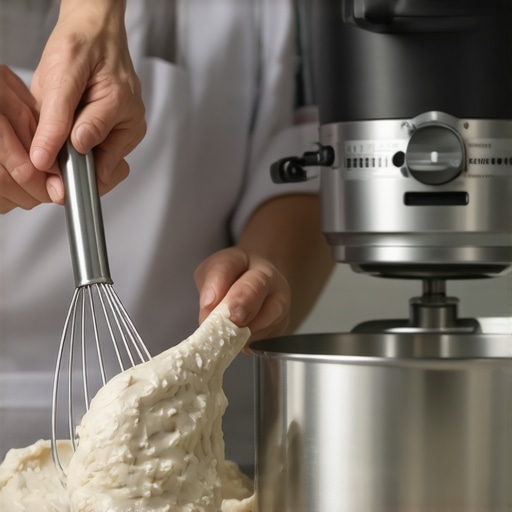
I remember the first time I tried to make bread. I was eager, but my arms were trembling after just a few minutes of kneading dough. That moment of exhaustion made me realize something: the right mixer can make or break your baking experience. It’s not just about having shiny new gadgets; it’s about choosing the tool that adapts to what you bake most often and saves your energy and time in the kitchen.
Why the right mixer choice really matters for your baking success
Over the years, I’ve experimented with both hand and stand mixers, and I’ve learned that the decision isn’t just about price or brand. It’s about matching your baking habits with the right equipment. A powerful stand mixer can handle big batches of dough or whip cream effortlessly, making your baking sessions smoother and quicker. On the other hand, a good hand mixer is portable, easier to store, and perfect for smaller jobs or quick fixes. Picking the wrong type can lead to frustration, uneven results, or even burnout in the kitchen.
Now, if you’re like me, you’ve probably faced the dilemma of whether to invest in a sturdy stand mixer or stick with a handheld model. Maybe you’ve bought a stand mixer only to find it too bulky for your small kitchen, or you’ve relied on a hand mixer that lacks the power for dense doughs. I’ve been there, and I know it can feel overwhelming. That’s why I want to help you make a smarter choice today. We’ll explore the pros and cons of each, so you can find that perfect match for your baking adventures. And if you’re still unsure, don’t worry — I’ve included some tips and resources that will make your decision much easier. Curious about what might work best for your needs? Keep reading, because your ideal baking companion is just a few scrolls away.
Is the hype around stand mixers really worth it?
Early in my baking journey, I made the mistake of assuming that bigger was better. I bought a fancy stand mixer without considering my actual baking frequency or kitchen space. Turns out, I rarely needed that much power, and it sat mostly unused. That taught me a valuable lesson: the best mixer is the one that fits your lifestyle, not the one that’s the most popular or expensive. For more detailed insights, I recommend checking out this comprehensive guide on choosing between stand and hand mixers. It helped me understand what features matter most, whether you’re baking bread regularly or just making cakes on weekends.
So, before you rush to buy the latest model, ask yourself: What do I really need? Am I baking often enough to justify a stand mixer? Or do I prefer quick, lightweight solutions? The right answer depends on your habits, space, and budget. Let’s explore how to identify your perfect fit in the next sections.
Assess Your Baking Needs Carefully
Start by analyzing what you bake most often. Do you make bread regularly, requiring powerful dough kneading? Or are you mostly whipping cream and mixing cake batter? I learned this the hard way when I bought a heavy-duty stand mixer for my weekend bread baking, only to find it cumbersome for quick tasks. To avoid this mistake, read this detailed guide on picking the right dough and baking mixer. Answering these questions will help you decide whether a stand mixer or hand mixer suits your lifestyle better.
Match the Mixer Type to Your Kitchen Space and Budget
Next, evaluate your kitchen space and budget constraints. If you have limited counter space, a compact hand mixer might be more practical. But if you often bake in large batches, investing in a sturdy stand mixer can save you time and effort. Personally, I started with a basic hand mixer for small tasks, but when I upgraded to a stand model, my baking results and efficiency dramatically improved. Learn more about the differences in stand vs. hand mixers for dough to understand which fits your needs.
Experiment with Attachments for Versatility
Many mixers come with a variety of attachments like whisks, dough hooks, and beaters. These can expand your baking capabilities significantly. For example, I used a whisk attachment to make fluffy meringues, which turned out perfect because my mixer had the right power and speed settings. When choosing a model, consider the availability and compatibility of attachments by reviewing this guide: selecting the right mixer with whisk attachments. Proper attachment use is key to achieving professional results without unnecessary mess or effort.
Learn Proper Techniques for Dough Mixing
Understanding how to mix dough properly prevents overworking or under-mixing your ingredients. Hand mixers are great for small batches but struggle with dense doughs. Stand mixers, however, excel at kneading heavy bread doughs thanks to their powerful motors and dough hooks. I once attempted to knead a sourdough by hand after my stand mixer broke down — it took over 20 minutes and left my arms sore. To master dough techniques, consult this helpful resource: ultimate guide to dough and baking mixers. Proper technique ensures consistent texture and optimal rise in your baked goods.
Optimize Your Workflow for Better Results
Finally, streamline your baking process by organizing your tools and understanding your mixer’s capabilities. Use the appropriate speed settings—slow for combining ingredients, fast for whipping—so you don’t overmix or undermix. When I baked a batch of cupcakes, I started on low to combine the batter and increased speed gradually. This prevented spillage and resulted in a smooth, airy batter. Remember, a good mixer is an investment in your baking journey. For detailed comparisons, check out stand vs. hand mixers for baking and choose wisely. With these methods, you’ll turn baking from a chore into a joy, with perfect results every time.
Many home bakers fall into the trap of oversimplifying what makes a stand mixer or hand mixer effective. A prevalent misconception is that more powerful motors always translate to better baking results. While power is important, it’s equally critical to understand the nuances of your specific baking needs. For instance, a high wattage stand mixer might be overkill if you mainly whip cream or make small batches of batter. Conversely, a lower-powered model can struggle with dense doughs, leading to uneven mixing or motor burnout. To truly match your equipment to your baking style, it’s valuable to explore detailed guides like this comprehensive comparison.
Maintaining your stand mixer, hand mixer, or baking mixer is crucial to ensure consistent performance and longevity. I personally swear by regular cleaning and timely part replacement to keep my equipment running smoothly. For example, I always clean my whisk attachments and dough hooks immediately after use, especially when working with sticky doughs, to prevent buildup that can affect future mixing efficiency. Additionally, using high-quality lubricants on moving parts has helped me avoid early motor wear. To stay ahead of potential issues, I recommend inspecting your mixer’s power cord and switches regularly for signs of damage, and replacing worn-out components before they cause bigger problems.
Another key maintenance practice involves paying attention to the motor ventilation. Dust and flour can accumulate over time, causing the motor to overheat. I once cleaned the vents with compressed air, which significantly improved my mixer’s cooling and overall lifespan. For more detailed advice, check out this guide on maintaining baking mixers.
Investing in quality replacement parts, like genuine dough hooks or beaters, also makes a difference. I prefer OEM parts because they fit perfectly and last longer. When I notice my attachments starting to wobble or make unusual noises, I replace them promptly to prevent damage to the motor. Additionally, I keep a set of spare belts and brushes on hand, especially for my stand mixer, which I’ve learned from this expert resource is vital for prolonged use.
How do I maintain my mixer over time?
Consistent cleaning, regular inspection, and timely replacement of worn parts are the pillars of good mixer maintenance. I also schedule a professional tune-up every couple of years, especially for my stand mixer, to ensure all internal components are properly lubricated and functioning. This proactive approach has helped me avoid unexpected breakdowns during critical baking moments. As trends evolve, manufacturers are increasingly integrating smart diagnostic features into newer models, which will likely simplify maintenance in the future. For now, mastering basic upkeep is your best bet to keep your mixer performing like new.
Don’t forget to try my favorite advanced tip: regularly applying a light coat of food-grade lubricant to the gear mechanisms—this small step can dramatically extend your mixer’s lifespan. Stay vigilant with cleaning and inspections, and your trusty baking companion will serve you well for years to come.
The Hardest Lesson I Learned About stand mixer,hand mixer,baking mixer,whisk attachments,dough mixing
One of my biggest lightbulb moments was realizing that more power doesn’t always mean better results. I once bought a high-wattage stand mixer, thinking it was the ultimate investment, only to find it sat unused most of the time because my baking needs were modest. This taught me that understanding your specific baking habits is crucial before making a purchase. For example, if you mostly whip cream or mix small batches, a smaller, lighter model can do the job just as well and save space.
3 Myths About stand mixer,hand mixer,baking mixer,whisk attachments,dough mixing That Held Me Back
I used to believe that a stand mixer was essential for perfect bread, but I discovered that with the right technique and attachments, a good hand mixer can handle many tasks just fine. Also, I thought that expensive meant better, but I found affordable models with powerful motors and versatile attachments can outperform pricier options for home bakers. Finally, I assumed that more attachments automatically meant better results, but quality and compatibility matter more than quantity.
What Experts Won’t Tell You About stand mixer,hand mixer,baking mixer,whisk attachments,dough mixing
Most professionals keep their secrets about how to optimize equipment: the key is mastering the technique and maintenance of your mixer. Regularly cleaning attachments, inspecting the motor, and using appropriate speeds can dramatically improve performance. I learned that a well-maintained mixer with quality parts can last for years and deliver consistent results, often more important than having the latest model.
Curated Recommendations
For anyone serious about baking, I recommend checking out this comprehensive guide. It helped me understand the nuances of choosing between stand and hand mixers based on my baking style. Additionally, this resource offers detailed comparisons that are invaluable for making an informed decision. Lastly, I rely on trusted brands like KitchenAid and Breville, which consistently deliver durability and versatility, especially when I need reliable whisk attachments and dough hooks that fit perfectly.
Your Turn to Try
Choosing the right mixer isn’t just about specs; it’s about finding a tool that makes your baking journey enjoyable and efficient. Remember, the best mixer for you is the one that aligns with your habits, space, and budget. I encourage you to experiment and learn your equipment’s quirks—your baked goods will thank you for it. So, what’s the first recipe you’re excited to perfect with your new mixer? Share your plans below and let’s get baking together!

This article really resonated with me, especially the part about matching your mixer to your specific baking needs. I used to think I needed a powerful stand mixer for everything, but I found that for my small kitchen and occasional baking, a compact hand mixer suits me better. I remember struggling with dense bread dough and wishing I had invested in a sturdier machine. Now, I focus on versatile attachments that enhance what my current setup can handle. Have any of you found that switching to specific attachments made a significant difference in your baking results? I’d love to hear tips on which accessories have worked best for different types of dough or batter. It’s fascinating how much thought goes into selecting the right tools for the job, and being informed can really improve our baking experiences.
Reading this post really brought back my early baking days, especially the struggle with heavy doughs and the realization of how much a good mixer can ease that process. I started with a basic hand mixer for quick tasks but soon found myself yearning for a stand mixer when tackling larger batches of bread or pizza dough. The key for me was also investing in versatile attachments like dough hooks and whisks—these truly transformed my baking experience. One challenge I faced was figuring out which attachments work best across different recipes. For instance, my dough hook works wonders for bread, but I was pleasantly surprised at how well a paddle attachment handled cookie dough too. I’d love to hear from others—what attachments have you found indispensable, and how have they improved your baking results? Do you prefer to keep it simple with just a few, or do you like having a full set of options? It’s such a game changer to customize your tools according to your baking style, and I believe that’s what leads to more satisfying results in the kitchen.