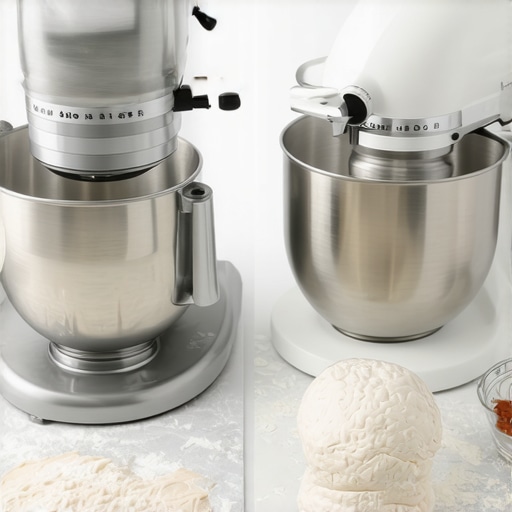
Have you ever spent hours kneading dough only to realize your hands are sore, and your mixture just isn’t coming together the way you want? I’ve been there. One weekend, I decided to bake bread for the first time, and after an exhausting hour of mixing by hand, I was ready to swear off baking forever. It wasn’t just the fatigue; it was that nagging sense that I was doing it all wrong. That was my lightbulb moment — realizing that choosing the right mixer could transform my baking experience forever.
Why the right mixer makes all the difference in 2024
In recent years, the market has exploded with options, from traditional hand whisks to powerful stand mixers. But with so many choices, it’s easy to feel overwhelmed. What really matters is understanding how each type can serve your baking needs, especially for dough work, which demands serious power and durability. Trust me, investing in the right tool isn’t just about convenience — it’s about achieving consistent, professional results that make baking more enjoyable rather than a chore. Plus, with the right mixer, you can save time and effort, allowing you to focus on the art of baking rather than battling your equipment.
Is a stand mixer really worth the hype?
Early in my baking journey, I made a costly mistake: I bought a cheap, basic hand mixer, expecting it to handle bread dough. Spoiler: it didn’t. Instead, it burned out after a few uses, leaving me frustrated and out some cash. That experience taught me the importance of choosing wisely — and it’s a mistake I see many home bakers make. To avoid similar setbacks, I recommend exploring detailed comparisons, like those found in this guide to stand vs. hand mixers. It’s a game-changer for understanding which type suits your baking style and budget.
By the end of this guide, you’ll have the clarity needed to pick the perfect mixer — whether you’re a casual baker or aiming for bakery-quality dough at home. Ready to stop guessing and start baking with confidence? Let’s dive into the practical steps that will help you make an informed decision and turn your baking dreams into reality.
Assess Your Baking Needs Before Making a Purchase
Start by analyzing what kinds of dough and baked goods you make most often. If you primarily bake bread or pizza, focus on mixers with high torque and powerful motors. I once tried to use a lightweight hand mixer for a bread dough, and it struggled, overheating after just a few minutes. That experience taught me to prioritize strength and durability for dough-intensive tasks.
Match Mixer Type to Your Baking Style
If you love experimenting with different recipes or bake large batches regularly, a stand mixer is your best bet. It offers stability, versatility, and often comes with attachments like dough hooks and whisks. For occasional baking or smaller batches, a high-quality hand mixer with strong beaters can suffice. I initially bought a basic hand mixer, but it lacked the power for dense doughs, so I upgraded to a stand mixer, which made kneading much faster and less tiring.
Consider Power and Capacity for Dough Work
Power is crucial—look for a mixer with at least 300 watts for hand mixers and 500 watts or more for stand mixers. Capacity matters too; a bowl holding at least 4.5 quarts is ideal for kneading bread dough. When I prepared a batch of enriched brioche, my stand mixer with a 5-quart bowl handled the dough effortlessly, while my old hand mixer would have been overwhelmed.
Evaluate Attachments and Features That Enhance Dough Making
Attachments like dough hooks and whisks are essential. Ensure your chosen mixer offers durable, well-designed attachments that can handle tough doughs. Some models include multiple speeds and pulse functions, which help control mixing intensity. I found that using the slowest speed for initial mixing prevents flour from flying everywhere when I first combine ingredients.
Test Ease of Use and Maintenance
Comfort during operation impacts your baking experience. Test the weight and ergonomics of the mixer—heavy or awkward designs can cause fatigue. Also, check how easy it is to clean the attachments and bowls. My stand mixer’s removable bowls and dishwasher-safe attachments save me hours of cleaning after baking sessions.
Review Customer Feedback and Expert Comparisons
Read reviews on trusted sites and compare models through detailed guides like this comprehensive guide. It helped me identify a model with excellent durability and customer satisfaction, avoiding the pitfalls of cheaper, less reliable options.
Set a Realistic Budget and Invest Wisely
Know your budget but prioritize quality over price for dough work. A good mixer is an investment that pays off in consistent results and ease of baking. When I invested in a mid-range stand mixer, I noticed immediate improvements in my dough texture and overall baking confidence.
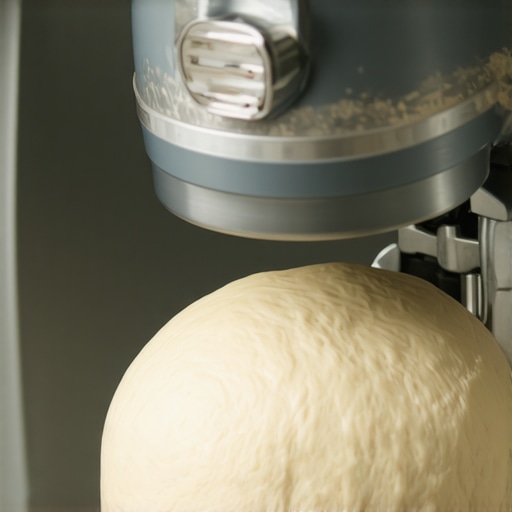
Many home bakers fall into misconceptions when selecting the perfect dough mixer, often leading to costly mistakes and subpar results. Let’s dig deeper into what most people get wrong and shed light on the nuanced truths that can elevate your baking game.
Why Bigger Isn’t Always Better for Your Dough Mixer
A frequent myth is that larger capacity mixers are inherently better for dough work. While a bigger bowl can handle larger batches, it doesn’t necessarily mean the motor is powerful enough to knead dense doughs effectively. In fact, some larger models compromise on torque, leading to struggling during heavy kneading sessions. An expert from this guide emphasizes that motor power and torque are more critical than bowl size for dough.
Common Mistakes in Understanding Power and Durability
Many assume that a higher wattage always translates to better dough kneading. However, wattage alone isn’t a complete indicator of performance. The construction quality of the motor and transmission, as well as the gear ratios, play pivotal roles. A poorly designed high-wattage motor may overheat or wear out faster, especially when kneading multiple batches. The key is to look for models with reinforced gears and reputable brands that prioritize durability, as outlined in this comparison.
Mastering the Attachments and Their Nuances
Another hidden nuance is the importance of quality attachments, particularly dough hooks. Many assume all attachments are created equal, but subpar materials can lead to bending, slipping, or even damaging your dough. Investing in sturdy, well-designed dough hooks—preferably made of metal rather than plastic—can make a significant difference in kneading consistency and equipment longevity. Check reviews and compatibility guides like this resource for detailed insights.
Have You Ever Fallen into This Trap? Let Me Know in the Comments!
Understanding these hidden nuances helps you avoid common pitfalls and make a more informed choice. Remember, the right mixer for dough isn’t just about size or wattage—it’s about balanced power, durable attachments, and thoughtful design. Keep these insights in mind, and you’ll be kneading like a pro in no time!
Keeping your dough mixer in top condition isn’t just about cleaning it after each use; it’s about adopting a proactive maintenance routine that extends its lifespan and ensures optimal performance. From choosing the right lubricants to knowing when to replace attachments, I’ve learned practical tips over years of baking with various equipment.
How do I maintain my dough mixer over time?
First, always follow the manufacturer’s instructions for cleaning and lubrication. For stand mixers, regularly check the gears and motor brushes if accessible, and apply food-safe lubricants like food-grade grease to keep parts moving smoothly. I personally use a silicone-based lubricant on the gear shafts of my stand mixer every few months, which prevents squeaking and wear.
Next, inspect your attachments—dough hooks especially— for signs of bending or corrosion. Replacing worn attachments with high-quality, metal ones ensures consistent kneading and reduces strain on the motor. I prefer metal dough hooks over plastic because they withstand higher torque and last longer, which is crucial for dense doughs.
Periodically, check the power cord and plug for wear or damage. A damaged cord can cause electrical issues or even pose safety hazards. Using a surge protector can protect your mixer from voltage spikes, extending its operational life. For example, I keep my stand mixer plugged into a surge protector, especially during thunderstorms, which is recommended by industry experts for delicate motors.
Additionally, consider the environment where you store your equipment. Keep your mixer in a dry, dust-free space—humidity and dust can cause motor corrosion or clog moving parts. Using a cover or cabinet helps shield it from dust and accidental spills.
Future of Mixer Maintenance
As technology advances, expect more smart features in mixers, such as sensors that monitor motor health and alert you when maintenance is needed. This trend will make it easier to keep your equipment in prime condition without guesswork. Staying ahead with routine care now means fewer surprises later, and I plan to incorporate these smart tools as they become more affordable.
Don’t wait for your mixer to break down—try implementing a monthly maintenance check, focusing on lubrication, attachment integrity, and electrical safety. It’s a small effort that yields long-term results, ensuring your investment continues to serve you well in every batch.
Remember, a well-maintained mixer isn’t just about longevity; it’s about baking with confidence, knowing your tools are reliable. Give these tips a try today, and experience the difference in your dough work!
When I first started baking bread, I underestimated the power of a good mixer, and it cost me time and frustration. Now, after years of experimenting, I’ve learned that selecting the right dough mixer isn’t just about convenience — it’s about unlocking consistent, professional-quality results that make baking truly enjoyable. In 2024, knowing the nuanced differences between mixers can elevate your baking game to new heights.
Lessons from My Dough Kneading Journey
- Power is more than wattage: I once bought a high-wattage motor expecting it to handle dense doughs easily, only to find it overheating after a few batches. The key is torque and gear quality, not just wattage.
- Attachment quality matters: Cheap plastic dough hooks bend under pressure. Investing in metal, well-designed attachments has transformed my kneading experience, making it smoother and less stressful.
- Size isn’t everything: A larger bowl isn’t worth much if the motor can’t handle heavy doughs. Focus on a model with a strong motor and appropriate capacity for your typical batches.
- Regular maintenance extends lifespan: Lubricating gears and replacing worn attachments keep my mixer running like new, saving money and hassle over time.
Tools and Resources I Trust for Dough Mastery
- This comprehensive guide helped me understand the subtle differences between stand and hand mixers, guiding my decision in 2024.
- Comparison reviews on trusted sites have saved me from costly mistakes.
- High-quality attachment brands like KitchenAid offer durable dough hooks that withstand heavy kneading and last for years, which I highly recommend.
- Expert blogs and user reviews have provided real-world insights unavailable elsewhere, helping me refine my choices.
Your Turn to Elevate Your Baking in 2024
Choosing the right dough mixer can be a game-changer, turning a tiring chore into a joy and elevating your baking to professional levels. With the right tools and knowledge, you’ll knead with confidence and consistency. Don’t wait — invest in quality and keep your equipment well-maintained to enjoy perfect dough every time.
What’s been your biggest challenge when choosing a mixer for dough work? Share your experiences below and let’s learn from each other’s baking journeys!

Leave a Reply