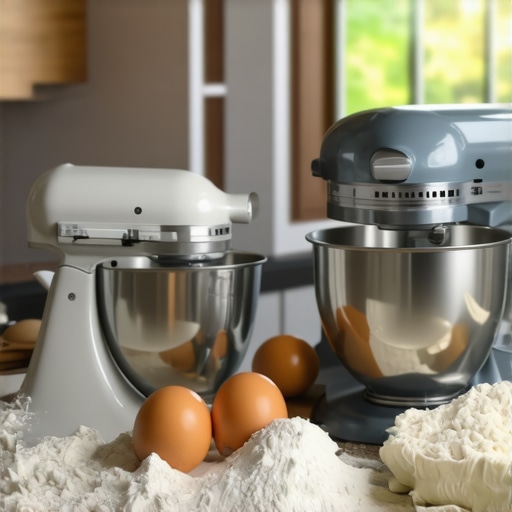
Have you ever stood in your kitchen, desperately trying to mix thick cookie dough or fluffy cake batter with a hand mixer, only to realize your arm is about to fall off, and the mixture is still not quite right? I’ve been there. That lightbulb moment when I finally understood why choosing the right mixer can make or break your baking game. It’s frustrating to spend hours baking, only to be let down by equipment that doesn’t meet your needs. Today, I want to help you avoid those pitfalls and make an informed choice that saves you time, effort, and dough in 2024.
Why Your Mixer Choice Matters More Than You Think
For many home bakers, the decision between a stand mixer and a hand mixer is more than just a matter of convenience. It’s about achieving perfect consistency, saving effort, and making the entire baking process more enjoyable. I used to think that a hand mixer was enough—until I faced the challenge of kneading bread dough or whipping large batches of frosting. That’s when I learned that a stand mixer isn’t just a luxury; it’s a game-changer.
According to recent insights, the right mixer can significantly impact your baking results, especially for more ambitious projects. It’s no secret that some of the best bakeries rely on powerful stand mixers to produce their signature doughs and batters. If you’re serious about baking in 2024, understanding the difference between these two types of mixers is crucial. Want to make sure you’re investing in the right tool? Check out this comprehensive comparison of stand and hand mixers.
Is All the Hype About Stand Mixers Really Justified?
When I first started shopping for a mixer, I made a common mistake—assuming that more power meant better performance. Turns out, not every baker needs a high-end, expensive machine. I learned this the hard way when I bought a fancy stand mixer, only to find out it was overkill for my small batch baking. Conversely, I underestimated the importance of a good hand mixer for quick tasks. The key is understanding what you really need based on your baking style. Want some tips on choosing the right one? This guide to choosing your ideal mixer can help.
So, have you faced this dilemma? Whether you’re a casual baker or a serious pastry chef, making the right choice now will elevate your baking experience and results. Keep reading, and I’ll share practical advice to help you decide which mixer is best for your kitchen in 2024.
Identify Your Baking Needs
Start by assessing the types of baked goods you make most often. If you bake large batches of bread or dense doughs, a stand mixer with high wattage and powerful motor is essential. For quick mixing tasks like whipping cream or small batches of batter, a reliable hand mixer suffices. I remember a weekend when I was preparing a big batch of bread dough. Initially, I tried to knead it with my hand, but my arm quickly tired. Switching to my stand mixer turned the process into a breeze, saving me time and effort. For detailed guidance, check this comparison of stand and hand mixers.
Match Power and Capacity to Your Kitchen Space
Powerful stand mixers often come with larger footprints and higher price tags. If space is limited, focus on compact models that still offer enough power for your tasks. For instance, I once bought a high-end stand mixer thinking bigger was better. It sat unused because it was too bulky for my small kitchen. Instead, I opted for a mid-range model with enough capacity, which I use daily. For advice on choosing the right size, explore this guide to size and power.
Consider Attachments and Versatility
Attachments like whisks, dough hooks, and beaters expand your mixer’s functionality. If you bake a variety of items, look for models with versatile attachments. I added a pasta roller to my stand mixer, transforming it into a multi-purpose kitchen tool. When I was choosing, I researched which models offer the best attachments for my needs in 2024, see this expert buying guide.
Evaluate Ease of Use and Maintenance
Opt for a mixer that’s easy to clean and operate. Detachable parts that are dishwasher safe save time after baking sessions. I remember struggling with a mixer that had complicated attachments, which made cleaning a chore. Now, I choose models with simple disassembly and clear instructions. For more tips, visit this ultimate guide to choosing your perfect mixer.
Test Before You Buy
If possible, visit a store to handle different models. Feeling the weight and ease of turning knobs can make a big difference. I once demoed a stand mixer in a store, and the handle felt awkward, which I later realized would cause fatigue during long baking sessions. Always test for comfort and control. For more insights, check this review of top models for 2024.
Many home bakers fall into a common trap when selecting their kitchen mixer, often relying on misconceptions that can lead to costly mistakes. Let’s dig deeper into what most people get wrong about mixers and how to avoid these pitfalls to elevate your baking in 2024.
Why More Power Doesn’t Always Mean Better Performance
A widespread myth is that a powerful motor automatically guarantees superior results. While wattage is important, it’s not the sole indicator of performance. Overpowered mixers can be heavy, noisy, and less precise, especially for light tasks like whipping cream or mixing batter. For most home bakers, a mid-range motor with good torque offers the best balance of efficiency and control. For example, some high-end models with excessive wattage are simply overkill for small batches and can even cause additional wear on parts. To understand what suits your needs, review this comparison of stand and hand mixers.
Beware of the Attachments Trap
Many assume that more attachments mean more versatility, but that’s not always true. Some models come with a plethora of accessories that rarely get used, adding to the clutter and expense. The real benefit lies in choosing a mixer with high-quality, essential attachments like a sturdy whisk, durable dough hook, and easy-to-clean beaters. Over-investing in unnecessary gadgets can distract from what truly matters: reliable performance for your typical baking tasks. Check out this guide to selecting versatile attachments.
Advanced Readers Ask: How Do I Balance Capacity and Kitchen Space?
For seasoned bakers, the nuanced decision isn’t just about motor power but also about capacity and space management. A large-capacity stand mixer with a powerful motor might seem ideal, but it can overwhelm small kitchens and lead to underuse. Conversely, a compact model might limit your ability to handle big batches. The key is finding a model that fits your typical batch sizes and your kitchen’s layout. Research shows that choosing a size that balances capacity with space efficiency results in better long-term satisfaction. For more detailed advice, explore this size and power guide.
Have you ever fallen into this trap? Let me know in the comments. Making informed choices today ensures your baking success tomorrow!
Maintaining your baking tools, especially your trusty mixer, is crucial for long-term performance and consistent results. A well-maintained mixer not only extends the lifespan of your equipment but also ensures that every batch of dough or batter turns out perfect. In this section, I’ll share my personal maintenance routine and recommend some tools that help keep my mixer running smoothly, along with a prediction about future trends in appliance care.
How do I keep my mixer working flawlessly over time?
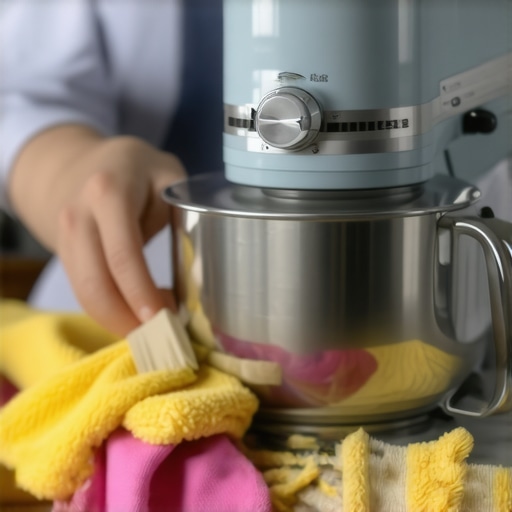
First, regular cleaning is essential. After each use, I disassemble removable parts such as beaters and dough hooks, then wash them in warm, soapy water. For the main body, I wipe it down with a damp cloth, avoiding water ingress into the motor housing. To prevent dust buildup and ensure smooth operation, I keep my mixer covered with a dedicated cloth or store it in a dust-free cabinet. For more detailed advice, check this comparison of maintenance practices.
Next, periodic lubrication of moving parts, such as the gear mechanisms, can prevent wear and tear. I use a food-grade lubricant recommended by the manufacturer, applying it sparingly to avoid excess. Keeping the motor vents clear of dust and debris also helps maintain optimal cooling and prevents overheating during long baking sessions.
Tools I rely on to extend my mixer’s life
One of my favorite tools is a set of silicone brushes which I use to clean stubborn flour or dough residues from crevices and attachments. For internal cleaning, I use a small, soft brush to gently remove dust from the motor vents. Additionally, I invest in a high-quality, durable cover for my mixer, which protects it from dust and accidental bumps. When replacing parts like beaters or dough hooks, I always choose OEM (original equipment manufacturer) parts for guaranteed fit and longevity. For those interested in upgrading, I recommend exploring the latest attachment sets that can add versatility to your mixer — from pasta makers to food grinders. For a comprehensive guide on accessories, see this expert advice on attachments.
Future of appliance maintenance and care
Looking ahead, I predict that smart maintenance technology will become more prevalent. Imagine mixers equipped with sensors that monitor motor health and alert you when maintenance is needed, or apps that guide you through cleaning and lubrication routines. Investing now in quality tools and following a consistent maintenance schedule will prepare you for these innovations. I encourage you to adopt a proactive approach — try integrating a gentle, routine cleaning with specialized tools, and stay informed about new features that help extend your equipment’s lifespan.
Remember, a little effort goes a long way in keeping your mixer in prime condition. Make it a habit to inspect, clean, and service your appliance regularly, and you’ll enjoy flawless baking results for years to come. Want to see how I personally maintain my mixer and what tools I recommend? Check out this ultimate maintenance guide for more tips and tricks.
< >
>
What I Wish I Knew When I Started Baking
The hardest lesson I learned about choosing a mixer is that more power isn’t always better. I once bought a high-end stand mixer thinking I needed the most powerful model, only to realize it was too bulky for my small kitchen and overkill for my usual baking tasks. Now, I know that understanding my specific needs and space is more important than chasing the most wattage. Another lightbulb moment was realizing that attachments matter more than quantity—quality and versatility truly make a difference. For example, adding a pasta roller transformed my stand mixer into a multi-purpose tool, saving me money and space. Lastly, I underestimated how much regular maintenance impacts performance. Simple routines like cleaning and lubricating parts extend the life of my equipment and keep my baking consistent. Learning these lessons early has made my baking journey more enjoyable and less stressful, and I hope they help you avoid common pitfalls in 2024.

I completely relate to the frustration of trying to mix thick dough with a hand mixer only to tire out halfway through. Having switched to a stand mixer a few years ago, I can’t imagine baking without it now, especially for those heavy-duty tasks like kneading bread or large batches of cookie dough. What I found interesting in this post is the emphasis on understanding your specific baking needs before investing. I’ve seen friends buy high-power models that sit unused because their baking is mostly small batches or quick tasks. It made me wonder, how do others decide on the wattage or size of a mixer when they’re just starting out? For many, choosing the right equipment feels overwhelming, but I think weighing the types of baked goods you make most often is a good starting point. Have others found certain brands or models that perfectly balance performance and space-saving features? Would love to hear comments from fellow bakers on this.