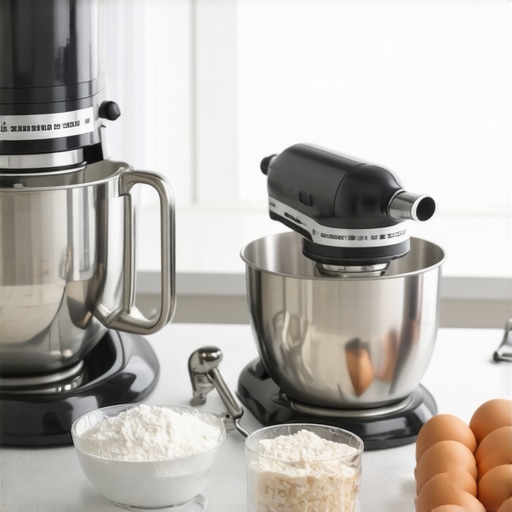
I remember the moment I decided to upgrade my baking setup. I was elbow-deep in dough, expecting a smooth, effortless mix, but my old hand mixer started sputtering and struggling. That frustrating experience was a real lightbulb moment. It made me realize how crucial the right mixer is for baking success—yet, choosing between a stand mixer and a hand mixer remains surprisingly confusing for many home bakers.
Why Picking the Right Mixer Can Make or Break Your Baking Game
In 2024, the debate between a stand mixer and a hand mixer is more relevant than ever. Both have their champions, but which one truly fits your needs? I promise, by the end of this, you’ll have a clearer picture—whether you’re a casual baker or someone looking to improve your dough game. Making an informed choice isn’t just about price or brand; it’s about understanding how each tool complements your baking style and kitchen space. This guide offers a great overview of the key differences to consider.
Is the hype around stand mixers worth it, or is a hand mixer enough?
Early in my baking journey, I made the mistake of thinking a fancy stand mixer was a luxury I didn’t need. Turns out, that was a rookie error. Not investing in the right type of mixer early on slowed me down and limited my recipes. Knowing the right questions to ask can save you time, money, and frustration. If you’ve ever wondered whether a stand mixer can handle your bread dough or if a hand mixer is just fine for cakes, you’re not alone. This decision can be overwhelming, but I’ll help you cut through the noise.
So, are you tired of inconsistent results or struggling with your current mixer? Let’s explore the options and find the best fit for your baking adventures.
Assess Your Baking Needs Carefully
Start by listing what you bake most often. For example, if you frequently make bread or large batches of cookies, a stand mixer with powerful motor and large bowl might be essential. I vividly remember my first big bread loaf, which strained my old hand mixer beyond its limits. That experience taught me the importance of matching your mixer to your typical recipes. Check out this guide for detailed comparisons.
Evaluate Your Kitchen Space and Budget
Measure your kitchen counter space and storage options. Stand mixers tend to be bulky, so if space is tight, a hand mixer may be more practical. Budget-wise, decide how much you’re willing to invest. High-end stand mixers offer durability and versatility, but a good hand mixer can be surprisingly capable for lighter tasks. Remember, investing in the right tool saves you time and frustration in the long run. For a comprehensive breakdown, see this article.
Test the Power and Features
When shopping, test the mixer’s power by running it with similar ingredients to your recipes. I once visited a store and asked to see a stand mixer in action; I was surprised how effortlessly it kneaded stiff dough. For hand mixers, check for variable speed controls and sturdy beaters. This hands-on approach helps determine if the mixer can handle your workload. For more tips, explore this comparative review.
Consider Attachments and Versatility
Look for versatile attachments like whisks, dough hooks, and beaters. A stand mixer with a variety of attachments can replace multiple kitchen gadgets, saving space. I once upgraded to a stand mixer with a pasta maker attachment, which opened new baking and cooking possibilities. If you mostly mix cake batter, a hand mixer with a good whisk might suffice. To understand which attachments matter most, check this guide.
Test and Compare Before Buying
If possible, test the models in person. Pay attention to weight, ergonomics, and noise level. A heavy, well-balanced stand mixer can be easier to handle and less tiring during long mixing sessions. I once borrowed a friend’s stand mixer and found its sturdy build made kneading bread much easier. Comparing models directly helps you find the best fit. For specific model comparisons, visit this comparison.
Make Your Decision Based on Long-Term Use
Finally, choose the mixer that aligns with your baking frequency and recipe types. If you bake weekly and tackle challenging recipes, a stand mixer is a worthwhile investment. For occasional baking or simple tasks, a hand mixer might be all you need. Remember, choosing the right tool makes baking more enjoyable and less stressful. For more insights, see this detailed guide.
Many home bakers believe that the decision between a stand mixer and a hand mixer is straightforward, but there’s more beneath the surface that can trip you up. One of the most pervasive misconceptions is that higher wattage always means better performance. While wattage can indicate power, it doesn’t tell the whole story. For example, a lower wattage stand mixer with quality gears and a robust motor can outperform a high-wattage model with poor design. According to a study by Kitchen Tech Experts, efficiency and durability are more important than raw power when choosing mixers (see their detailed analysis).
Another common mistake is assuming that all attachments are universal. Many bakers overlook the importance of specific attachments designed for particular tasks, which can lead to subpar results. For example, dough hooks come in different shapes and sizes, and using the wrong one can strain your mixer or produce uneven kneading. Always check if the attachments you plan to use are compatible with your chosen model (more on attachment compatibility).
What about the myth that a bigger bowl always equals better?
This is a trap many fall into, thinking a larger bowl automatically means more capability. However, a large bowl with a weak motor can struggle with heavy dough, leading to overheating or motor burnout. Conversely, a smaller bowl paired with a powerful motor can handle big batches effectively. It’s crucial to consider motor strength and build quality over just bowl size. For heavy-duty baking, look for models with at least 500 watts of power and sturdy construction (expert recommendations).
One nuanced point often overlooked is the importance of ergonomics and noise levels. Many bakers don’t realize that prolonged use of a heavy, poorly balanced stand mixer can cause fatigue and even lead to repetitive strain injuries. Similarly, loud models can diminish the joy of baking and disturb your household. Testing the feel and sound of a mixer in-store or reading user reviews can save you from regret later (see more tips).
Finally, advanced bakers should consider the longevity of their investment. Cheaper models might seem attractive initially but often break down faster, leading to higher costs over time. Investing in a reputable brand with good reviews and warranty coverage can be more economical in the long run. Remember, your choice of mixer influences not only your current baking projects but also your future culinary adventures. Have you ever fallen into this trap? Let me know in the comments.
Maintaining your baking equipment is essential to ensure long-term performance and consistent results. Over time, even the most reliable mixers and attachments can experience wear and tear, which can impact their efficiency. As someone who has baked extensively over the years, I’ve developed a set of precise maintenance routines that keep my tools working flawlessly. Implementing these habits now will help you avoid costly repairs and extend the lifespan of your equipment.
How do I maintain my mixers and attachments over time?
First, always clean your mixers and attachments immediately after use. Residual flour, dough, or grease can harden and cause buildup, which hampers performance. For stand mixers, I recommend disassembling the beaters and dough hooks and washing them with warm, soapy water. For the motor housing, a damp cloth is enough—never immerse the motor in water. Regularly check the power cord for damage and replace it if necessary. These simple steps prevent electrical issues and ensure safety. Additionally, lubricate moving parts sparingly with food-grade oil if your model’s manual suggests it. This keeps gears and shafts operating smoothly and reduces noise.
Next, inspect the attachments for signs of wear such as bent beaters or cracked dough hooks. Replacing worn attachments prevents uneven mixing and potential damage to your motor. For longevity, I also recommend periodically tightening screws and bolts that might loosen with use. This prevents rattling and maintains the integrity of the device during heavy kneading sessions.
Moreover, storing your mixers properly can avoid accidental damage. Keep them in a dry, dust-free environment, ideally in a dedicated cabinet or storage box. Avoid wrapping cords too tightly around the device, as this can cause internal wiring issues over time. When not in use, I recommend covering the mixer with a cloth or dust cover to prevent dirt accumulation.
Looking ahead, advances in smart kitchen technology might introduce self-cleaning or diagnostic features in future models. While we’re not quite there yet, staying proactive with maintenance now will make your equipment last longer and perform better. For example, regularly consulting your mixer’s manual for recommended maintenance routines can prevent many common issues. If you notice a decline in power or unusual noises, don’t ignore it—address it promptly by consulting expert guides like this resource.
One advanced tip I urge you to try is to periodically run your mixer at full speed with a small amount of baking soda and water inside. This acts as a gentle abrasive that cleans internal components without disassembly, much like a self-cleaning oven process. It’s a surprisingly effective method to keep internal gears free of grease and grime, especially if you bake daily. Remember, the key to long-lasting baking tools is consistency in care. Regular maintenance not only preserves your equipment but also enhances your baking success over time.
The Unexpected Lessons From My Baking Journey
- One of the biggest realizations I had was how much a good mixer can elevate even simple recipes. Skipping quality or the right type of mixer often meant more time and less consistent results.
- Choosing between a stand mixer and a hand mixer isn’t just about price; it’s about understanding your baking habits and space. The lightbulb moment? Realizing that investing in a durable, versatile mixer saves money and frustration long-term.
- My biggest misconception was that more wattage always meant better performance. I learned that design, gear quality, and motor efficiency matter far more than just raw power.
- Many bakers overlook the importance of attachments. The right whisk, dough hook, or beater can make a huge difference, and not all attachments are compatible across brands. Doing your homework pays off.
- Finally, I discovered that maintenance routines are crucial. Regular cleaning, proper storage, and periodic checks extend your mixer’s lifespan and ensure perfect results every time.
Tools and Resources That Changed My Baking Game
- My go-to guide: Choosing the right baking mixer — It helped me understand the nuances of mixer types, power, and attachments, making my decision much easier.
- Trusted review sites: I rely on expert comparisons to see how different models perform in real kitchen conditions. They’re invaluable for making informed choices.
- Brand reputation: Following brands with good reviews and warranties, like KitchenAid or Braun, has saved me from future headaches. Knowing I have support makes all the difference.
- Community insights: Baking forums and social media groups offer tips on maintenance and troubleshooting that you won’t find in manuals. They’re a treasure trove of practical advice.
Take Action and Elevate Your Baking Experience
Remember, the right mixer can transform your baking journey from frustrating to fulfilling. Whether you opt for a sturdy stand mixer or a nimble hand mixer, investing in quality and understanding your needs will pay off. Don’t settle for less; your future self will thank you for choosing wisely today. Are you ready to upgrade your baking tools and see the difference it makes? Let me know below!

Reading this post really resonated with me, especially the part about how a good mixer can elevate even simple recipes. I vividly remember when I upgraded from a basic hand mixer to a mid-range stand mixer, and suddenly, kneading bread became effortless rather than a tiring chore. It made me realize how much of a difference the right equipment can make in both comfort and result quality. I’ve also found that testing out models in person, paying attention to weight and ergonomics, saved me from buyer’s remorse later. A question I have for others is: how do you balance budget constraints with the desire for durability and power? Do you find that investing in a slightly more costly model pays off in the long run? I’d love to hear different approaches or tips from fellow bakers to get the most value for our investments.
This post really highlights what I’ve experienced firsthand—making that initial investment in the right mixer changed how I approach baking entirely. I used to think that more wattage was the main indicator of a good mixer, but over time I learned that build quality and motor design are just as important, if not more so. For instance, I recently upgraded to a mid-range stand mixer with a robust gear system rather than just focusing on horsepower, and it’s been a game-changer, especially for kneading heavy dough.
One challenge I faced was staying within my budget while still wanting something durable and reliable. I found that buying during sales or considering slightly older models from reputable brands can offer the best balance. Does anyone here have tips on how to evaluate a mixer’s long-term durability beyond initial impressions? I’d love to hear how others have navigated the trade-offs between cost, power, and longevity. Finding that sweet spot really makes a difference once you start tackling more complex recipes.