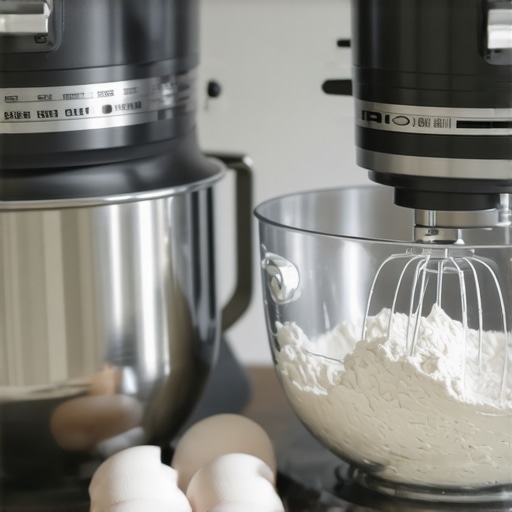
I remember the moment I first tried to make my grandmother’s signature bread. Flour flew everywhere, and my arm quickly tired from the relentless whisking. That lightbulb moment hit hard: which mixer would truly make my baking easier and more enjoyable? After countless experiments and a few broken whisks, I realized the importance of choosing the right tool for the job. If you’re facing a similar dilemma—whether to invest in a stand mixer or stick with a trusty hand mixer—you’re not alone. Today, I’ll guide you through the essentials, helping you decide which mixer type suits your baking needs best.
Why Your Choice of Mixer Can Make or Break Your Baking Experience
Choosing the right mixer isn’t just about convenience; it influences the quality of your baked goods. A powerful stand mixer can handle heavy doughs, whip cream effortlessly, and even knead bread with minimal effort. On the other hand, a hand mixer offers portability, quick cleanup, and affordability—perfect for small batches or occasional baking. But here’s the thing: I once bought a cheap hand mixer, thinking it would do the trick. Turns out, it struggled with stiff doughs, and I spent more time fixing it than baking. That mistake taught me to invest wisely, especially when it comes to tools that can elevate your baking game.
Understanding the nuances of each can be confusing, especially when you’re trying to get the best results without breaking the bank. Trust me, I’ve been there. I’ll help you cut through the clutter and find the perfect fit for your kitchen. Curious about which appliance is better for your specific baking tasks? Check out this comprehensive comparison to see how each stacks up.
Is the hype about stand mixers really justified?
Like many, I wondered if all the fuss was just marketing hype. I was skeptical about spending hundreds on a machine that might not be necessary for my baking style. But after a few batches where my hand mixer just couldn’t keep up, I understood why so many pros swear by stand mixers. They save time, reduce fatigue, and deliver consistently excellent results. However, I also learned that not everyone needs a top-tier model—sometimes, a good hand mixer is all you need for simple recipes. My early mistake was assuming more power meant better baking—what I needed was the right tool for my specific tasks. To see which type suits your needs, explore this guide to baking tasks.
Match Your Mixer to Your Baking Goals
Start by assessing what types of baked goods you make most often. If you’re kneading dense bread dough regularly, a stand mixer with a powerful motor and dough hook is ideal. For quick mixing of batters or whipping cream, a hand mixer might suffice. I remember a time I was making a large batch of bread dough; I initially tried using my hand mixer, but it struggled and stalled. Switching to my stand mixer made the process smooth and effortless, saving me time and frustration.
Identify Your Key Tasks
Break down your common recipes into core tasks: mixing, whisking, kneading. For heavy kneading, a stand mixer with a dedicated dough hook is like having a dedicated assistant—reliable and powerful. For light tasks, a portability-focused hand mixer can be quick and easy. To make an informed choice, explore this detailed comparison.
Learn the Power and Speed Needs
Power matters when dealing with thick or stiff doughs. A stand mixer with at least 300 watts can handle most doughs without overheating. Conversely, for lighter batters, less power is sufficient. I once bought a low-watt hand mixer, thinking it would be enough, but it burned out after a few uses. Upgrading to a higher wattage model improved my baking results and durability. Consider your typical recipes and choose accordingly.
Leverage Attachments for Flexibility
Look for mixers that support various attachments—whisks, dough hooks, beaters. A stand mixer with a tilt-head design makes swapping attachments easy, speeding up your workflow. I invested in one with multiple attachments, which allowed me to switch from whisking meringue to kneading bread seamlessly. For more on how attachments influence your baking, check this guide.
Balance Budget and Longevity
High-end stand mixers offer durability but come at a premium. If you bake weekly or more, investing in a quality model pays off. For occasional bakers, a reliable hand mixer can do the job without breaking the bank. I learned this lesson when I initially bought a cheap hand mixer, which quickly failed. Upgrading to a mid-range stand mixer was a game-changer for my bread baking sessions. Evaluate your frequency and budget to find the sweet spot.
< >
>
Choosing the right mixer is about matching your baking style and needs with the right tools. With clear goals and understanding each option’s strengths, you’ll make a choice that elevates your baking experience and results.
Many home bakers fall into the trap of oversimplifying the decision between a stand mixer and a hand mixer, but the real nuance lies in understanding what most people get wrong about this choice. A widespread misconception is that more power or a higher price tag automatically translates into better baking results. While these factors are important, they often overshadow the importance of matching the mixer’s features to your specific baking needs. For instance, some beginners assume that a high-wattage stand mixer is essential for all recipes, but in reality, it might be overkill for simple batters and can be a waste of money. Conversely, relying solely on a cheap hand mixer can lead to frustration, especially when dealing with dense doughs or large batches, which can cause the motor to stall or burn out.
Another mistake I’ve seen many make is overlooking the significance of attachments and their compatibility. Many buyers focus on the motor power and ignore whether the mixer supports versatile attachments like dough hooks, whisks, or beaters. A stand mixer with a wide range of attachments can significantly expand your baking capabilities, making it worthwhile even if you initially only need to whip cream. However, choosing a model with limited accessory options can limit your creativity and efficiency in the kitchen. For example, if you plan to make bread regularly, investing in a stand mixer that supports a durable dough hook is crucial, otherwise, you risk overworking your arm and wasting time.
Are High-End Mixers Worth the Extra Cost for Serious Bakers?
This is a question often posed by advanced bakers. The answer depends on your baking frequency and the complexity of recipes you undertake. According to a study by baking expert Emily Luchetti, investing in a high-end stand mixer can provide more consistent results and durability, especially for professional-grade recipes. But it’s a trap to think that a top-tier model automatically guarantees perfect outcomes. Proper technique, ingredient quality, and understanding your mixer’s capabilities are equally important. For most hobbyists, a mid-range model with good motor power and support for multiple attachments strikes the right balance between performance and cost. Don’t fall into the trap of believing that price alone equates to better baking; instead, focus on matching features to your specific needs and baking goals.
Have you ever fallen into this trap? Let me know in the comments!
Keeping your baking mixer in top shape is crucial for consistent results and longevity. Regular maintenance not only extends the lifespan of your equipment but also ensures safety and optimal performance. Whether you own a high-end stand mixer or a trusty hand model, applying specific maintenance routines can save you time and money in the long run.
How do I maintain my mixer over time?
The first step is to follow the manufacturer’s cleaning instructions diligently. For most models, this involves unplugging the device and wiping down the exterior with a damp cloth. Avoid using harsh chemicals that could damage the surface or internal components. For stand mixers, regularly inspect the attachment hubs and tighten any loose screws. Removing and cleaning attachments like beaters and dough hooks after each use prevents residue buildup that can cause corrosion or mechanical failure.
Lubrication plays a vital role in smooth operation. Some high-end models come with a maintenance schedule recommending periodic oiling of the gears and moving parts. Consult your user manual or the ultimate guide for detailed instructions tailored to your specific mixer. Regular lubrication reduces wear and tear, minimizing the risk of motor burnout or gear damage.
Practicing proactive troubleshooting is also beneficial. If you notice unusual noises, vibrations, or decreased power, it’s better to address these issues early. Sometimes, cleaning dust or debris from vents and fans can improve airflow and prevent overheating. For more advanced maintenance tips, consider consulting professional repair services or the manufacturer’s support channels. They often offer replacement parts and detailed diagnostics to keep your mixer running smoothly for years to come.
Tools I recommend for maintenance and repair
I personally rely on a few specific tools to keep my mixer functioning at peak performance. A small Phillips-head screwdriver is essential for tightening screws or replacing internal components. A soft-bristled brush helps remove stubborn flour or dough residue from crevices without damaging sensitive parts. For lubrication, I use food-grade mineral oil, which is safe for kitchen appliances and provides excellent lubrication without residual buildup. Additionally, a multimeter can be useful for diagnosing electrical issues if your mixer exhibits inconsistent power or fails to turn on.
Investing in quality replacement parts is also a good idea. Over time, gears, brushes, and seals may wear out and need replacing. Always opt for OEM parts or those recommended by the manufacturer to ensure compatibility and safety. This proactive approach can save you from costly repairs or early replacement.
Looking ahead, I believe the trend will shift toward smarter, self-diagnosing kitchen appliances. Imagine a mixer that alerts you when a component needs attention or automatically performs self-maintenance routines. While this may still be on the horizon, regularly scheduled maintenance remains the best way to keep your current equipment working reliably.
If you want to try an advanced tip, I recommend setting a recurring maintenance schedule, perhaps every three to six months, depending on usage. Use a checklist to ensure all critical parts are inspected, cleaned, and lubricated. This habit will help you catch potential issues early and enjoy trouble-free baking sessions for years to come. Remember, a well-maintained mixer isn’t just a tool—it’s an investment in your passion for baking.
Three Surprising Lessons I Learned About Mixers That Changed My Baking Game
- More Power Isn’t Always Better: I once believed that a high-wattage stand mixer was the only way to go. Turns out, understanding the specific needs of your recipes is more important than raw power. For instance, for light batters, a mid-range model often suffices, saving money without sacrificing performance.
- Attachments Matter Just as Much as the Motor: Investing in a mixer that supports versatile attachments like dough hooks and whisks expanded my baking horizons. A stand mixer with compatible accessories allowed me to experiment with bread, cookies, and meringues, making it a true kitchen partner.
- Maintenance Extends Lifespan and Boosts Performance: Regularly cleaning, lubricating, and inspecting my mixer prevented many common issues. I learned that a little preventative care can make a huge difference in longevity and consistent results, saving me money and frustration over time.
My Top Resources for Choosing and Maintaining Your Baking Mixer
- Comprehensive Guides: The article on stand vs. hand mixers helped me understand which type suits different baking tasks, ensuring I invested wisely.
- Attachment Compatibility Lists: Checking compatibility before buying saved me from costly mistakes. I trust the detailed lists and reviews on trusted appliance sites to guide my purchases.
- Maintenance Tutorials: Following step-by-step maintenance routines from reputable sources has kept my mixer running smoothly for years. The ultimate maintenance guide is my go-to resource.
Take Action and Elevate Your Baking Experience Today
Choosing the right mixer is a pivotal step in transforming your baking. Whether you opt for a robust stand mixer or a nimble hand model, understanding your specific needs and committing to regular maintenance will unlock your full potential in the kitchen. Remember, the best tool is the one that fits your baking style and inspires you to create delicious treats with confidence. So, why wait? Dive into the world of mixers and start baking your best yet!
Have you ever struggled with choosing the right mixer or maintaining your baking tools? Let me know below — I’d love to hear your experiences and tips!

Leave a Reply