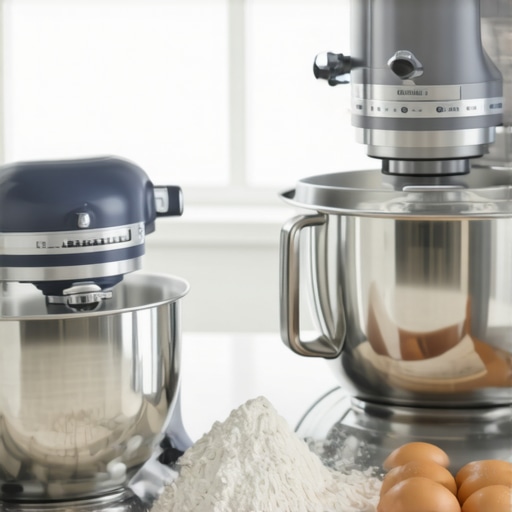
Ever tried mixing a thick dough or whipped cream with just a handheld whisk, only to find yourself exhausted and frustrated? I’ve been there, battling with stubborn batter and aching arms, feeling like I was fighting a losing battle. That lightbulb moment hit me one afternoon when I realized that my trusty hand mixer just wasn’t cutting it for my baking ambitions. It’s a common dilemma in many kitchens—what’s the best tool for baking and dough tasks? Today, I want to share how I cracked this code and how you can, too.
Choosing Your Baking Sidekick: Why It Matters
Baking is as much about precision as it is about passion. But the tools we use can make or break our results—and sometimes, our sanity. Are you tired of spending extra time and energy trying to get your ingredients just right? Or maybe you’re unsure whether investing in a stand mixer is worth it? I get it. When I started, I made the mistake of assuming that a cheap hand mixer would do everything I needed. Spoiler alert: it didn’t. That early mistake taught me a valuable lesson about matching tools to tasks, especially when it comes to handling dough or creating airy batters. If you’ve faced similar frustrations, you’re not alone. And the good news? There’s a clear answer that can elevate your baking game.
Is the Hype About Stand Mixers Actually Worth It?
Many beginners worry that a stand mixer might be an overkill or too expensive. But the truth is, a good stand mixer can save you hours of effort, produce more consistent results, and handle larger batches effortlessly. Plus, with the right attachments, it becomes a versatile powerhouse—perfect for whisking, kneading, and mixing. Early on, I underestimated the importance of these attachments and ended up buying a separate whisk or dough hook, which was an unnecessary hassle. If you’re curious about how to choose the best option for your baking needs, I recommend checking out this guide to choosing the perfect baking mixer.
So, are you ready to discover whether a stand mixer or hand mixer is the best fit for your kitchen adventures? Let’s dive into the details and find out which tool will become your baking best friend.
Once you’ve decided to upgrade your baking arsenal, it’s time to understand how to use these tools effectively. Choosing between a stand mixer and a hand mixer isn’t just about price or size; it’s about mastering their unique capabilities for specific tasks. Think of your mixer as a culinary partner that can either knead dough with authority or whisk delicate meringues with finesse.
Set Up for Success: Preparing Your Equipment
Choose the Right Attachments
Start by selecting the appropriate attachments. For dough, a dough hook is essential. For airy batters or whipped cream, a whisk attachment is your best friend. When I made my first batch of bread, I initially used only a paddle attachment, which struggled with heavy dough. Then I switched to a dough hook (you can learn more about attachments at this guide) and immediately noticed a difference. The dough became smooth and elastic, and my mixer handled it effortlessly.
Secure Your Ingredients
Before turning on your mixer, ensure your ingredients are pre-measured and ready. This prevents messes and allows you to focus on the mixing process. For example, when I made my first batch of cookie dough, I kept my flour, sugar, and butter nearby, so I could add them in quick succession without stopping the machine. This kept the dough from overmixing and ensured even distribution of ingredients.
Executing the Technique: Step-by-Step
Start Slow to Prevent Spills
Always begin mixing at a low speed. This prevents flour or other dry ingredients from flying out of the bowl. I vividly remember my first attempt at whipping egg whites; I started too fast and ended up with a kitchen covered in foam. By reducing the speed initially, I kept everything contained and achieved perfect peaks.
Gradually Increase Power for Efficiency
As your ingredients combine, gradually raise the speed to ensure thorough mixing without overworking. For bread dough, I start kneading at a low speed, then increase slightly to develop gluten structure. This method saves time and reduces strain on your machine.
Monitor and Adjust
Keep an eye on your mixture’s consistency. If it looks too stiff or too runny, adjust the speed or ingredients accordingly. During a recent cake batter session, I noticed my batter was too thick after a few minutes of mixing; I added a splash of milk and continued at a medium speed, resulting in a smooth, glossy batter.
Cleaning and Maintenance
After each use, detach the beaters or dough hook and wash them thoroughly. Wipe down your mixer body with a damp cloth. Regular maintenance keeps your equipment functioning smoothly and extends its lifespan. When I neglected to clean my mixer promptly, residual flour hardened, making future cleaning more difficult. Now, I clean immediately after each session, and my tools stay in perfect condition.
Testing and Refining Your Technique
Practice with small batches to refine your timing and speed settings. With each attempt, you’ll learn how different ingredients respond to your mixer. I improved my bread-making by paying close attention to kneading times—too long, and the dough became tough; too short, and it lacked elasticity. Adjusting these factors based on my observations resulted in consistent, bakery-quality loaves.
Incorporate Feedback from Your Results
Use the texture and rise of your baked goods as feedback to fine-tune your process. If your cookies spread too much, consider chilling the dough before baking or adjusting your mixing method. By experimenting and observing, you’ll develop a feel for what your tools can do and how to get the best results every time.
Mastering your mixer is about understanding its strengths and limitations and applying the right technique. Whether you’re kneading bread or whipping cream, the right approach transforms good ingredients into great baked goods. For a deeper dive into choosing the perfect mixer for your needs, visit this comprehensive guide.
Many home bakers believe that selecting the right mixer is a straightforward task, but in reality, there are nuanced pitfalls that can undermine your baking success. Let’s dig deeper into what most people get wrong about choosing and using baking mixers, and how to avoid these costly mistakes.
Why Speed Settings Can Be Misleading
One of the most common misconceptions is that higher speed always equals better mixing. In fact, many bakers over-rely on high speeds, which can lead to overmixing delicate batters or incorporating too much air prematurely. For example, whipping egg whites at the highest setting can cause them to become grainy or collapse, ruining your meringue. Experts recommend starting slow and gradually increasing speed, especially for sensitive tasks. This approach ensures better control and prevents common issues like deflation or uneven mixing.
The Myth of Power and Size
Another trap is equating larger, more powerful mixers with superior performance. While a powerful motor can handle heavier doughs, it’s not necessary for most baking tasks and may be an overinvestment. The key is to match your mixer’s capacity to your typical recipes. For light cakes and whipped creams, a smaller, less powerful model suffices. Overestimating your needs can lead to unnecessary expense, storage issues, and underutilized features. To make an informed choice, check out this comparison of stand versus hand mixers.
Common Mistake: Using the Wrong Attachments
Many assume all attachments are interchangeable or equally effective. However, using the wrong attachment can dramatically affect your results. For example, trying to knead bread dough with a whisk attachment will not only be inefficient but can also damage your mixer. Properly matching attachments—dough hooks for bread, beaters for cakes, and whisks for meringues—is crucial. This might seem simple, but it’s a step often overlooked by beginners. For a detailed guide on selecting and using attachments, see this resource.
Advanced Question: How does the material of the bowl influence mixing outcomes?
While many focus on the mixer itself, the bowl material can subtly impact your results. Stainless steel bowls are durable, easy to clean, and help keep ingredients cool, which is beneficial for whipping cream or egg whites. Glass bowls are good for visibility but can sometimes be heavier and cause more vibration. Plastic bowls are lightweight but may retain odors or stains. Choosing the right bowl material, especially for delicate tasks like meringue, can make a difference in achieving perfect peaks. According to culinary experts, the choice of bowl can influence the stability of whipped ingredients, so pick one that suits your specific needs.
Have you ever fallen into this trap? Let me know in the comments. Mastering these nuances ensures your baking efforts yield bakery-quality results and extends your equipment’s lifespan. For more tips on matching the right mixer to your recipes, check out this detailed guide.
Maintaining your baking tools is crucial for ensuring they perform at their best and last for years. I personally swear by a few key practices and tools that keep my mixers and accessories in top shape. Regular cleaning after each use prevents residue buildup, which can cause mechanical issues over time. For instance, I always detach my beaters and dough hooks immediately after baking and wash them thoroughly with warm, soapy water. This simple step not only keeps my tools hygienic but also prevents corrosion and maintain their efficiency.
Investing in quality cleaning brushes specifically designed for mixers is a game-changer. I use a small, soft-bristled brush to reach into tight crevices and around attachments, ensuring no flour or dough remains trapped. For the mixer body, a damp microfiber cloth removes dust and splatters, preserving its appearance and functionality. Regularly inspecting the cord and switch for wear and tear helps prevent electrical issues and ensures safety during operation.
When it comes to tools I recommend, I can’t overstate the importance of choosing durable, well-designed accessories. The whisk attachments made from high-quality stainless steel are not only sturdy but also resistant to staining and corrosion, making them ideal for whipping cream or egg whites repeatedly. Similarly, a good silicone scraper helps you get every last bit of batter or dough from your bowls without damaging the surface, extending the life of your bowls and reducing waste.
Looking ahead, I believe the trend will lean more toward smart maintenance tools that integrate sensors to monitor the condition of your equipment. Imagine a mixer that alerts you when a part needs replacing or when it’s time for a thorough cleaning. This proactive approach can save money and prevent unexpected breakdowns, especially for serious bakers or those running a small bakery.
How do I maintain my baking tools over time?
The key is consistency. Regular cleaning, proper storage, and timely replacement of worn parts keep your equipment functioning smoothly. For example, I store my attachments in a dedicated organizer to prevent bending or damage, and I follow the manufacturer’s recommended maintenance schedule—such as lubricating moving parts if applicable. Additionally, reading the technical documentation, like the official maintenance guides, can provide valuable insights into specific care routines for different models. I encourage you to try out a specialized cleaning brush or replace a worn dough hook this month—small investments that make a big difference in your baking experience.
The Hardest Lesson I Learned About Mixing for Perfect Bakes
- Early in my baking journey, I underestimated how crucial the right mixer is. I thought a cheap hand mixer could handle everything, but I quickly learned that heavy doughs and delicate whipped creams demand different tools. The lightbulb moment? Investing in a versatile stand mixer transformed my results and saved my arms from exhaustion.
- Switching from a paddle to a dough hook was a game-changer. I used to struggle with kneading bread by hand or with the wrong attachments, leading to uneven texture. Now, I know that matching attachments to tasks isn’t just about convenience; it’s about achieving bakery-quality outcomes every time.
- Gradually increasing speed, instead of rushing to high power, has helped me avoid overmixing and ruined batters. Patience at each step, especially when whipping egg whites or folding in ingredients, ensures a professional finish and a more enjoyable baking experience.
- Proper cleaning and maintenance of my equipment extend its life and keep my kitchen safe. Detaching attachments immediately and using specialized brushes prevent residue buildup and mechanical issues, making every bake smoother.
My Essential Toolkit for Baking Success
- KitchenAid Stand Mixer: A reliable workhorse that handles everything from kneading to whipping, with a wide range of attachments. I trust its durability and versatility for both everyday baking and special projects.
- Silicone Scrapers: These help me get every last bit of batter from bowls and extend the life of my cookware. They’re gentle, effective, and easy to clean.
- Specialized Cleaning Brushes: Small, soft-bristled brushes designed for mixers are invaluable for reaching into tight spots. They keep my equipment hygienic and functioning perfectly.
- Official Maintenance Guides: Following manufacturer instructions, like those from KitchenAid, helps me keep my tools in top shape and avoid costly repairs. Regular upkeep is a small investment for long-term performance.
Don’t Wait to Elevate Your Baking Game
Now that you know the secrets behind choosing and mastering your baking mixer, it’s your turn to take action. Whether you opt for a stand mixer or a high-quality hand mixer, understanding your tools and using proper techniques will unlock new levels of baking excellence. Remember, the right equipment paired with patience and practice transforms good ingredients into unforgettable baked goods.
What’s been your biggest challenge with your current mixer? Share your story below, and let’s learn from each other’s baking adventures!

Leave a Reply