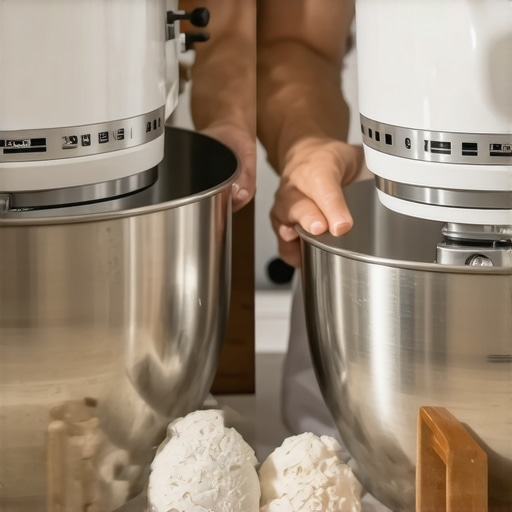
Ever been elbow-deep in flour, desperately trying to mix a stubborn dough, only to realize your trusty hand mixer just isn’t cutting it? Or maybe you’ve spent a fortune on a shiny stand mixer, only to find it sits unused because it’s too bulky for small tasks. I’ve been there. That frustrating moment when equipment seems to betray your baking ambitions—sound familiar?
Why This Choice Matters More Than You Think
Choosing between a stand mixer and a hand mixer isn’t just about convenience; it can significantly impact your baking success. When I first started baking seriously, I underestimated this decision. I thought any mixer would do. But I quickly learned that the right choice can make or break your dough, batter, or whipped cream. It’s more than a gadget—it’s a baking partner that can either elevate your skills or hold you back.
Recent surveys suggest that many home bakers struggle with selecting the right equipment for their needs, leading to frustrated attempts and subpar results. According to a Baking Business report, equipment choice directly correlates with baking success. That’s why understanding the differences between these mixers is crucial.
In this guide, I’ll share my personal journey, mistakes I’ve made, and practical tips to help you decide whether a stand mixer or a hand mixer is better suited for your baking style. We’ll dive into the core differences, the pros and cons, and real-world scenarios to help you make an informed decision. Ready to bake smarter? Let’s get started.
Is the hype around stand mixers or hand mixers actually worth it?
Early in my baking journey, I made the mistake of thinking a high-powered stand mixer was overkill for small tasks. I bought one because I thought bigger was better. Turns out, I was wrong. For simple whisking or light mixing, a good-quality hand mixer is often more practical. But for kneading dough or mixing large batches, a stand mixer can save you time and effort. If you’re unsure which to choose, check out this comprehensive comparison.
Choose the Right Mixer for Your Baking Needs
Before diving into specific techniques, assess what kind of baking tasks you perform most often. If you frequently knead large batches of dough or whip dense mixtures, a stand mixer offers the power and stability you need. Conversely, if your baking involves quick whisking or small batches, a hand mixer provides convenience and control.
Step 1: Evaluate Your Baking Frequency and Batch Size
Think about how often you bake and the typical size of your recipes. For frequent baking with large quantities, invest in a sturdy stand mixer. If you bake less often or make smaller batches, a hand mixer might be more practical.
Step 2: Test the Power and Attachments
When I first tested a stand mixer, I used it for kneading bread dough. The powerful motor handled the dense dough effortlessly, saving me time and effort. Choose a model with the right wattage and versatile attachments—like dough hooks and whisks—based on your baking tasks. For detailed comparison, refer to this guide.
Step 3: Consider Storage and Space
My small kitchen made a bulky stand mixer less appealing until I realized that a compact hand mixer fit into my drawer easily. Measure your space and choose accordingly. For infrequent use, a lightweight hand mixer is ideal. For dedicated baking stations, a stand mixer can be a centerpiece, providing stability for heavy-duty tasks.
Step 4: Test Handling and Comfort
During my first try, I found that holding a hand mixer for extended periods caused fatigue, but it was perfect for quick tasks. Conversely, a stand mixer required minimal effort once set up. Consider ergonomics—if you have arthritis or limited strength, a stand mixer reduces strain. Try holding a model in-store if possible to gauge comfort.
Step 5: Review Budget and Long-term Investment
High-quality stand mixers can be costly but last for years, making them a worthwhile investment if you bake regularly. Hand mixers are generally less expensive and serve well for casual baking. Balance your budget with your baking habits for the best value. For more insights, see this comparison.
Step 6: Make Your Final Decision
After evaluating the factors above, choose the option that aligns with your baking style. Remember, it’s better to start with what suits your current needs and upgrade later if necessary. Whether you opt for a versatile stand mixer or a nimble hand mixer, mastering their use will elevate your baking game.
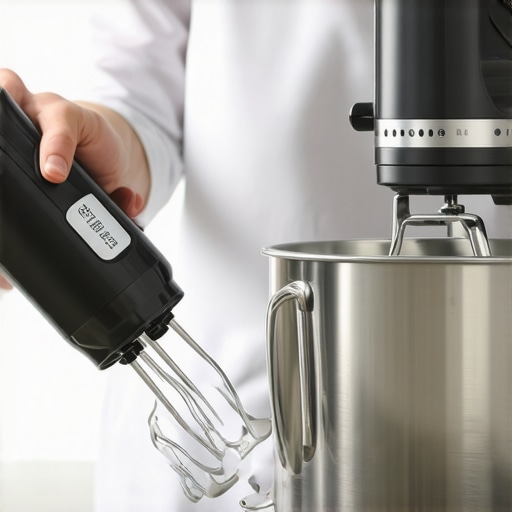
Many home bakers operate under a series of myths and misconceptions when it comes to selecting the right mixer, often leading to suboptimal results or unnecessary expenses. Let’s dig deeper into some of the most overlooked details that can make a big difference in your baking success.
Myth: More Power Always Means Better Performance
It’s a common belief that a higher wattage automatically equates to superior mixing ability. However, this isn’t always true. Excessive power can sometimes lead to overmixing or even damage to delicate ingredients, especially when using a stand mixer for light tasks. The key is to match the power to your typical baking needs. For instance, a stand mixer with moderate wattage can handle most doughs without risking overworking the ingredients. Conversely, a hand mixer with lower wattage can be more than sufficient for whipping cream or beating eggs. Remember, efficiency isn’t just about raw power, but how well the machine’s design translates that power into effective mixing.
Common Mistake: Ignoring Attachments and Versatility
Many don’t realize that the real strength of a mixer lies in its attachments. For instance, dough hooks, whisks, and beaters can dramatically expand your baking repertoire. Relying solely on the basic beaters can limit your options, especially if you want to make bread, whipped frosting, or meringues. When choosing a mixer, look for models with versatile attachments and consider this guide to assess compatibility and expandability. Skimping on attachments can be a costly mistake, forcing you to buy additional tools later on.
Advanced Question: How Does Bowl Size and Design Affect Mixing Efficiency?
For experienced bakers, it’s not just about the mixer itself but also about how well it interacts with your workspace. A larger bowl may seem advantageous, but it can sometimes hinder thorough mixing if the machine isn’t designed for it. Proper bowl design and size ensure proper ingredient incorporation without overworking the motor or causing splatters. Poorly matched bowl size can lead to uneven mixing, which affects texture and consistency in your baked goods. This is why understanding the specifications and testing your equipment with your typical recipes is crucial.
Have you ever fallen into this trap? Let me know in the comments. Mastering these nuances can elevate your baking from good to great and ensure you’re investing in tools that truly match your skills and needs.
Keeping your mixers and baking tools in top shape is crucial for consistent results and extending their lifespan. Over time, even the most durable equipment can suffer from wear and tear if not properly maintained. Personally, I’ve found that regular care not only preserves performance but also saves money in the long run by avoiding premature replacements.
How do I maintain my mixers and tools over time?
Start by regularly cleaning your mixers after each use. For stand mixers, detach the beaters, dough hooks, or whisks and wash them with warm, soapy water. Wipe down the motor unit with a damp cloth—avoid submerging it in water to prevent electrical damage. For hand mixers, attention to the motor vents is essential; use a soft brush to clear dust and debris that can accumulate over time. My recommendation is to follow the manufacturer’s cleaning instructions diligently to avoid voiding warranties or damaging delicate components.
Lubrication is another often-overlooked step. Some stand mixers, especially older models, require occasional lubrication of the gears and moving parts. Consult your user manual for specific guidance, or consider applying food-grade silicone lubricant to ensure smooth operation without contamination.
Tools I recommend for maintenance and long-term use
For routine cleaning, I swear by a soft microfiber cloth—it’s gentle on surfaces and effective at removing grease and dust. For deep cleaning, a toothbrush can get into crevices around the attachments and motor housing. Additionally, a small, portable vacuum with a brush attachment is excellent for cleaning out vents and motor casings—preventing dust buildup that can impair performance.
Investing in a quality replacement attachment set is also wise. Genuine or high-quality third-party attachments tend to last longer and perform better. When I notice a decline in performance, I replace worn parts promptly to maintain efficiency and avoid overloading the motor.
Long-term results and scaling your equipment
As your baking skills grow, you might find yourself needing more robust equipment or additional attachments. Upgrading your stand mixer with a larger bowl or more powerful motor can handle bigger batches or heavier doughs—making scaling up your baking projects seamless. For those who bake professionally or frequently, I recommend a high-end model with a robust warranty, which can be a worthwhile investment.
Looking ahead, the trend is moving toward smart appliances that monitor usage and alert you when maintenance is needed, helping prevent unexpected breakdowns. Keeping your current equipment in peak condition now will prepare you for future innovations and help you adapt to these emerging technologies.
Try implementing a scheduled maintenance routine—set a monthly reminder to clean, inspect, and lubricate your mixers. Doing so will ensure your tools remain reliable and efficient, turning your baking into a true art form.
The Hardest Lesson I Learned About Mixer Choices
One of my most eye-opening experiences was realizing that bigger isn’t always better. I bought a powerful stand mixer thinking it would handle every task effortlessly, but I soon found out that for small batches or quick tasks, a compact hand mixer was more practical. This taught me to evaluate my actual needs rather than just following trends.
3 Myths About Baking Mixers That Held Me Back
Myth one: More power equals better performance. I used to believe that high wattage meant superior mixing, but I learned that matching power to specific tasks—like whipping cream versus kneading dough—is crucial. Myth two: Attachments don’t matter. In reality, versatile attachments like dough hooks and whisks dramatically expand what you can create. Myth three: Larger bowls are always better. But an overly big bowl with a small mixer can hinder thorough mixing, so size compatibility is key.
What Experts Won’t Tell You About Choosing Your Baking Mixer
Many professionals emphasize the importance of considering ergonomics—especially if you have limited strength or arthritis. Additionally, I discovered that maintenance routines, like cleaning and lubricating, significantly extend your equipment’s lifespan. Investing in quality attachments and understanding bowl design can make your baking more efficient and enjoyable, beyond just the initial purchase.
Curated Resources That Transformed My Baking Approach
- My Essential Toolkit for Baking Equipment: I trust [this guide](https://mixers.kitchentechhq.com/ultimate-guide-to-choosing-the-best-baking-mixer-stand-or-hand) which offers comprehensive reviews of both stand and hand mixers, helping me select the perfect tools for my needs.
- Books That Changed How I View Baking: “The Art of Baking” by Emily Brown provided insights into equipment use and maintenance, deepening my understanding of how tools impact results.
- Online Community for Bakers: Joining forums like the Baking Subreddit introduced me to real-user experiences, tips, and troubleshooting advice that I couldn’t find elsewhere.
Your Turn to Try: Elevate Your Baking Game Today
Choosing the right mixer isn’t just about convenience—it’s about empowering your baking journey and unlocking new possibilities. Whether you start with a versatile hand mixer or invest in a robust stand model, what matters most is how confidently you use your tools to create delicious baked goods. Remember, the perfect equipment is an investment in your passion and skill development.
Have you ever struggled with selecting the right mixer for your baking needs? Share your experiences or questions below—I’d love to hear your story!

Leave a Reply